


Hollow Sections Kenya: Sizes, Uses and Specs | BHD Kenya
Quick answer
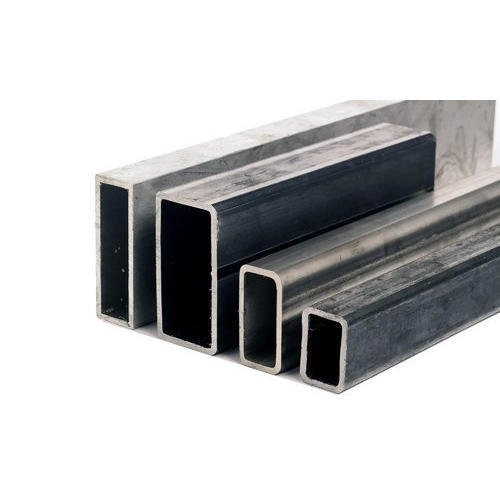
Hollow sections are steel tubes used for structural frames, columns, gates, trusses, handrails and general fabrication. They are supplied as SHS (square), RHS (rectangular) and CHS (circular), each specified by outside dimensions, wall thickness and length. The hollow shape gives good stiffness for its weight and a clean surface that is straightforward to weld, paint and finish.
Hollow sections are steel profiles with a hollow internal space, commonly used for structural frames, columns, gates, roof structures, supports, handrails and general fabrication. SHS, RHS and CHS are selected according to the required geometry, strength, dimensions, loading and fabrication requirements.
For contractors, fabricators and developers, hollow sections are among the most versatile steel products available.
Their hollow construction reduces unnecessary material in the centre of the section while maintaining useful structural stiffness. This makes them suitable for applications where weight, appearance, fabrication and structural performance all matter.
In Kenya, hollow sections are used in everything from residential gates and window frames to commercial structures, warehouse frames, canopies, railings and fabricated supports.
The three profiles most commonly discussed are:
- SHS — Square Hollow Section
- RHS — Rectangular Hollow Section
- CHS — Circular Hollow Section
Understanding the differences is important because the cheapest or largest-looking section is not automatically the right one for a particular application.
What Are Hollow Sections?
Hollow sections are manufactured steel profiles with an enclosed internal void, available in square, rectangular and circular shapes. They are used for structural and fabrication applications where the combination of geometry, stiffness, weight and ease of connection makes a hollow profile suitable.
Unlike a solid steel bar, hollow section steel has an empty internal area.
This gives the product several practical characteristics:
- Relatively low weight compared with some solid sections
- Efficient use of steel
- Clean external appearance
- Good torsional behaviour in many applications
- Easy cutting and welding
- Multiple profile options
Hollow sections can be used for both visible architectural steelwork and concealed structural components.
BHD provides steel hollow sections in Kenya as part of its wider steel product range.
What Are the Main Types of Hollow Sections?
The three main hollow section profiles are SHS, RHS and CHS. SHS has equal-width sides, RHS has unequal rectangular sides, and CHS has a circular cross-section; each profile is selected according to the required structural or fabrication geometry.
| Type | Full Name | Cross-Section | Typical Uses |
|---|---|---|---|
| SHS | Square Hollow Section | Square | Frames, gates, columns |
| RHS | Rectangular Hollow Section | Rectangle | Beams, frames, supports |
| CHS | Circular Hollow Section | Round | Columns, rails, supports |
The shape affects:
- Structural behaviour
- Connection details
- Appearance
- Fabrication
- Available dimensions
- Weight
The profile should therefore be selected according to the application rather than personal preference.
What Is SHS in Steel?
SHS means Square Hollow Section, a steel tube with four equal sides and a hollow centre. SHS is widely used in construction and fabrication for frames, gates, columns, supports, canopies and other applications requiring a square profile.
For example, a 50 × 50 mm SHS has:
- 50 mm outside width
- 50 mm outside depth
- Hollow internal area
- A specified wall thickness
The wall thickness must also be stated.
A 50 × 50 mm SHS with a thin wall is a different product from a 50 × 50 mm SHS with a significantly thicker wall.
BHD supplies square hollow sections for suitable construction and fabrication applications.
Common SHS Applications
SHS is frequently used for:
- Gates
- Fencing
- Window frames
- Door frames
- Handrails
- Canopies
- Light structural frames
- Supports
- Furniture
- Machinery frames
For load-bearing applications, the section must be checked against the design requirements.
What Is RHS in Steel?
RHS means Rectangular Hollow Section, a hollow steel profile with unequal side dimensions. RHS is useful for frames, beams, columns and supports where the project requires a rectangular geometry or different section depths in two directions.
For example, an RHS may be specified as:
100 × 50 × 3 mm
This generally identifies:
- 100 mm outside depth
- 50 mm outside width
- 3 mm wall thickness
The exact dimensional convention should be confirmed against the manufacturer's product data.
RHS is particularly useful where one direction requires greater section depth.
BHD supplies rectangular hollow sections for suitable construction and fabrication projects.
What Is CHS in Steel?
CHS means Circular Hollow Section, a round steel tube with a hollow centre. CHS is commonly used for columns, handrails, guardrails, supports, frames, canopies and architectural steelwork where a circular profile is preferred.
CHS can provide a distinctive appearance in exposed structures.
Common applications include:
- Handrails
- Guardrails
- Columns
- Canopies
- Supports
- Fencing
- Architectural structures
- Industrial frames
BHD provides circular hollow sections for appropriate applications.
The diameter and wall thickness are key specifications.
What Is the Difference Between SHS, RHS and CHS?
SHS, RHS and CHS differ primarily in cross-sectional geometry, which affects their structural behaviour, appearance, connection methods and practical applications. SHS is square, RHS is rectangular and CHS is circular.
| Feature | SHS | RHS | CHS |
|---|---|---|---|
| Shape | Square | Rectangular | Circular |
| Equal sides | Yes | No | Not applicable |
| Typical fabrication | Easy | Easy | Different connection methods |
| Common use | Frames/gates | Structural frames | Rails/columns |
| Appearance | Modern/angular | Rectangular | Rounded |
| Typical connection | Plates/bolting/welding | Plates/bolting/welding | Plates/bolting/welding |
SHS
Useful where equal dimensions and a square appearance are desirable.
RHS
Useful where a deeper rectangular section is advantageous.
CHS
Useful where a circular appearance or specific structural characteristics are required.
The engineer should determine which profile is appropriate for a load-bearing structure.
What Are Hollow Sections Used For?
Hollow sections are used for structural framing, columns, roof structures, gates, fencing, handrails, canopies, supports, machinery frames and architectural metalwork. Their versatility makes them common in both construction and fabrication.
Typical applications include:
Residential Construction
- Gates
- Railings
- Carports
- Window frames
- Door frames
- Pergolas
Commercial Construction
- Canopies
- Structural frames
- Sign supports
- Handrails
- Shop structures
- Partition frames
Industrial Construction
- Machine frames
- Platforms
- Supports
- Guardrails
- Structural members
Agricultural Structures
- Sheds
- Equipment supports
- Fencing
- Lightweight frames
The correct section depends on the specific application.
What Are Common Hollow Section Sizes in Kenya?
Hollow section sizes vary by profile, manufacturer, wall thickness and product range, so contractors should specify dimensions and thickness rather than simply requesting a "hollow section." Common products range from small sections used for fabrication to substantially larger sections used for structural work.
Examples of dimensions that may be encountered include:
| Profile | Example Outside Dimensions | Example Thickness |
|---|---|---|
| SHS | 25 × 25 mm | Product-specific |
| SHS | 40 × 40 mm | Product-specific |
| SHS | 50 × 50 mm | Product-specific |
| SHS | 75 × 75 mm | Product-specific |
| RHS | 50 × 25 mm | Product-specific |
| RHS | 75 × 50 mm | Product-specific |
| RHS | 100 × 50 mm | Product-specific |
| RHS | 150 × 100 mm | Product-specific |
| CHS | 25 mm diameter | Product-specific |
| CHS | 32 mm diameter | Product-specific |
| CHS | 50 mm diameter | Product-specific |
These are examples rather than a universal BHD stock list.
Before ordering, confirm the actual available dimensions, wall thickness, length and steel grade.
How Is Hollow Section Thickness Measured?
Hollow section thickness refers to the thickness of the steel wall surrounding the internal opening. It is normally specified in millimetres and is a critical parameter because it affects weight, stiffness, fabrication and structural capacity.
For example:
50 × 50 × 2 mm SHS
can be understood as:
- 50 mm outside width
- 50 mm outside depth
- 2 mm wall thickness
Thickness matters because two sections with identical outside dimensions can have significantly different weights and structural characteristics.
For structural applications, the required thickness should be determined from the design.
How Much Does Hollow Section Steel Weigh?
Hollow section weight depends primarily on its outside dimensions, wall thickness, steel density and length. A thicker-walled or larger section generally weighs more per metre than a smaller or thinner section of the same profile.
Weight is important when:
- Comparing quotations
- Calculating transport
- Estimating structural dead load
- Planning fabrication
- Purchasing by tonne
- Handling materials on site
For example, a contractor should not compare two 6-metre sections solely by their piece price.
The comparison should consider:
Dimensions + thickness + length + mass
This gives a more meaningful basis for evaluating cost.
How Do You Choose the Right Hollow Section?
The correct hollow section should be selected based on the structural load, span, support conditions, dimensions, wall thickness, steel grade, connections and environmental exposure. For load-bearing applications, the selection should follow engineering calculations rather than visual judgement.
A practical selection process is:
1. Identify the Application
Determine whether the section will be used for:
- Gate fabrication
- Roofing
- Column
- Beam
- Frame
- Handrail
- Canopy
- Machine support
2. Establish the Loads
For structural work, consider:
- Dead load
- Live load
- Wind load
- Equipment loads
- Other applicable loads
3. Select the Profile
Decide whether SHS, RHS or CHS is appropriate.
4. Confirm Dimensions
Specify:
- Width
- Depth
- Diameter
- Thickness
- Length
5. Confirm the Grade
Ensure the steel meets the required project specification.
6. Check Connections
Consider whether the section will be:
- Welded
- Bolted
- Mechanically connected
Connection design can influence the preferred profile.
Hollow Section Specifications Table
A complete hollow section specification should include the profile, outside dimensions, wall thickness, length, steel grade, weight and intended application. These details allow contractors to order the correct material and make meaningful comparisons between suppliers.
| Parameter | SHS | RHS | CHS |
|---|---|---|---|
| Profile | Square | Rectangular | Circular |
| Main dimension | Width × depth | Width × depth | Outside diameter |
| Wall thickness | mm | mm | mm |
| Standard length | Product-specific | Product-specific | Product-specific |
| Weight | kg/m | kg/m | kg/m |
| Steel grade | Product-specific | Product-specific | Product-specific |
| Typical use | Frames/supports | Structural frames | Rails/columns |
| Connection | Welding/bolting | Welding/bolting | Welding/bolting |
Exact values should always be confirmed against the supplier's product data.
Are Hollow Sections Suitable for Structural Construction?
Yes, hollow sections can be used for structural construction when the selected section has adequate capacity for the design loads and is installed according to the structural design. SHS, RHS and CHS can all serve structural functions, but their suitability depends on section properties and project requirements.
Structural applications may include:
- Columns
- Roof frames
- Canopies
- Supports
- Trusses
- Platforms
- Mezzanine structures
However, a hollow section should not be classified as "structural" simply because it is made of steel.
The designer should verify:
- Section capacity
- Buckling
- Deflection
- Connections
- Load combinations
- Material grade
Are Hollow Sections Good for Fabrication?
Hollow sections are highly useful for fabrication because their regular profiles can be accurately cut, drilled and welded into frames and other components. SHS and RHS are particularly convenient for many rectangular structures, while CHS provides a rounded profile for rails and other applications.
Fabricators commonly use hollow sections for:
- Gates
- Window frames
- Door frames
- Furniture
- Shelving
- Canopies
- Handrails
- Machinery frames
Fabrication Advantages
Hollow sections can provide:
- Consistent dimensions
- Clean appearance
- Easy alignment
- Good weldable surfaces
- Multiple size options
The fabricator still needs to consider wall thickness when selecting welding settings and connection details.
How Does the Kenyan Climate Affect Hollow Sections?
The Kenyan environment affects how hollow sections should be protected and maintained, particularly where steel is exposed to moisture, humidity or salt. Coastal locations such as Mombasa require greater attention to corrosion protection, while exposed roofs and structures elsewhere must also account for wind and rain.
Nairobi and Central Kenya
Steelwork may face:
- Rain
- Dust
- UV exposure
- Temperature variation
Mombasa and Coastal Areas
The combination of:
- Humidity
- Salt
- Moisture
- High temperatures
can accelerate corrosion.
Appropriate protection may include:
- Galvanizing
- Protective coatings
- Proper painting systems
- Sealed and well-designed connections
- Regular inspection
Rift Valley
For exposed structures, wind loading can be significant.
Roof frames, canopies and other exposed structures require appropriate engineering design and secure connections.
What Affects Hollow Section Prices in Kenya?
Hollow section prices in Kenya depend on dimensions, wall thickness, steel grade, weight, length, market conditions, transport and order quantity. Larger and thicker sections generally contain more steel and therefore have higher material costs.
When comparing prices, check:
- Section size
- Wall thickness
- Length
- Weight per metre
- Grade
- Quantity
- Delivery location
For example, two suppliers may quote different prices for "50 × 50 hollow section."
The quotation is not directly comparable unless you confirm:
50 × 50 × what thickness?
and
what length?
Why Does Wall Thickness Matter?
Wall thickness affects the weight, stiffness, fabrication characteristics and structural capacity of a hollow section. A thicker wall generally increases material mass, but the correct thickness must still be determined according to the intended application and design.
Consider two hypothetical SHS products:
| Specification | Product A | Product B |
|---|---|---|
| Outside size | 50 × 50 mm | 50 × 50 mm |
| Wall thickness | 1.6 mm | 3.0 mm |
| External dimensions | Same | Same |
| Material quantity | Lower | Higher |
| Weight | Lower | Higher |
Although they look similar externally, they are not equivalent products.
This is why contractors should always specify the thickness.
What Is the Difference Between Hollow Sections and Solid Bars?
Hollow sections contain an internal void, while solid bars are made from steel throughout their cross-section. Hollow sections can reduce weight and provide efficient structural geometry, while solid bars may be preferred for certain pins, shafts, supports and fabrication components.
The choice depends on:
- Load
- Geometry
- Weight
- Fabrication
- Connection
- Cost
For frames, hollow sections are often more practical than using a solid bar of equivalent external dimensions.
How Should Hollow Sections Be Stored?
Hollow sections should be stored on stable supports above the ground, protected from standing water and arranged so that different sizes can be identified and safely handled. Correct storage reduces contamination, mechanical damage and unnecessary corrosion.
Good site practice includes:
- Store sections above ground.
- Keep bundles properly supported.
- Separate sizes.
- Avoid standing water.
- Keep storage areas accessible.
- Protect coated steel from damage.
- Prevent unsafe stacking.
Long sections should be adequately supported to minimise unwanted bending.
Common Hollow Section Selection Mistakes
Common mistakes include ordering without specifying wall thickness, choosing sections by appearance, comparing prices without checking weight and using a fabrication section for an unverified structural application. Correct specification prevents many purchasing and construction problems.
Mistake 1: Saying Only "50 × 50"
The thickness is missing.
Mistake 2: Comparing Piece Prices
A 6-metre section from one supplier may contain a different amount of steel from another.
Mistake 3: Ignoring the Design Load
A section suitable for a gate is not automatically suitable for a structural column.
Mistake 4: Ignoring Corrosion
Steel exposed to coastal conditions needs appropriate protection.
Mistake 5: Unapproved Substitution
Changing the specified section on a structural project should be reviewed by the responsible engineer.
Why Do Hollow Sections Need Proper Standards?
Construction steel should meet the applicable product and project specifications because dimensions and mechanical properties directly affect structural performance. Contractors should verify the relevant KEBS requirements, project specifications and manufacturer's documentation before using hollow sections in critical structural applications.
Kenyan construction projects may involve:
- KEBS standards
- National Building Code 2024
- Engineer's specifications
- Manufacturer documentation
- Project quality-control procedures
The applicable standard depends on the product and intended use.
For structural work, documentation should be retained where required for:
- Quality verification
- Material traceability
- Inspection
- Project handover
Frequently Asked Questions About Hollow Sections Kenya
Hollow sections are versatile steel profiles used throughout Kenyan construction and fabrication. SHS, RHS and CHS differ in shape, and the appropriate profile, thickness and grade depend on the intended application and design requirements.
What are hollow sections used for?
Hollow sections are used for frames, columns, gates, roofing structures, canopies, handrails, supports, fencing and general fabrication.
What does SHS mean?
SHS means Square Hollow Section. It is a square steel tube with equal outside dimensions on its four sides.
What does RHS mean?
RHS means Rectangular Hollow Section. It is a rectangular steel tube with unequal outside dimensions.
What does CHS mean?
CHS means Circular Hollow Section. It is a round hollow steel tube commonly used for columns, rails, supports and architectural structures.
Which is stronger, SHS or RHS?
Neither is universally stronger. Structural performance depends on the section dimensions, wall thickness, steel grade, orientation, loading and support conditions.
What is the common length of hollow sections?
Many steel hollow sections are supplied in standard commercial lengths, commonly around 6 metres, but available lengths depend on the product and supplier.
How do I calculate hollow section weight?
Weight depends on the section dimensions, wall thickness, steel density and length. For purchasing, the supplier's stated mass per metre should be verified against the product specification.
Where can I buy SHS and RHS in Kenya?
You can view BHD's SHS product and RHS product or contact BHD for current availability and specifications.
Final Verdict: Choosing Hollow Sections in Kenya
The best hollow section depends on what the steel needs to do, not simply on its size or price. SHS is useful for square frames and supports, RHS is suited to many rectangular structural and fabrication applications, while CHS is useful for round columns, rails and architectural steelwork.
Before placing an order, specify:
- Profile — SHS, RHS or CHS
- Dimensions
- Wall thickness
- Length
- Steel grade
- Quantity
- Application
- Delivery requirements
For structural applications, the section should be confirmed against the engineer's design.
For fabrication, the fabricator should ensure that the chosen thickness is appropriate for cutting, drilling, welding and the expected service conditions.
Explore BHD's steel products in Kenya or view the available square hollow sections, rectangular hollow sections and circular hollow sections.
Contact Burhani Hardware Dealers (BHD)
Email: burhanihardwaredealers [at] yahoo.com
Call/WhatsApp: +254 731 217 462 | +254 704 606 131
Visit: BHD, Industrial Area, Funzi Road, Nairobi
Website: https://bhd.co.ke/
Delivery Guarantee:
Same-day delivery within Nairobi.
Next-day delivery countrywide to Nakuru, Kisumu, Mombasa, Eldoret, Thika, Meru, Kitengela and Malindi.
Frequently asked questions

Written & reviewed by
BHD Kenya
Burhani Hardware Dealers (BHD Kenya) is a Nairobi-based supplier of polycarbonate roofing, Alucobond/ACP cladding, Perspex, WPC wall panels and steel products, serving contractors, fabricators and homeowners across Kenya.