
How to Reduce Heat in Commercial Buildings Using Roofing Materials
Quick answer
Indoor heat in a commercial building is reduced by three things working together: a roof covering that reflects rather than absorbs sunlight, an insulating layer or air gap beneath it, and ventilation that lets hot air escape at ridge level. Twinwall polycarbonate, insulated panels and light-coloured coated steel all work on this principle.
Heat management has become one of the biggest concerns in modern construction projects across Kenya. Commercial buildings, warehouses, factories, schools, offices, and residential developments all experience rising indoor temperatures caused by direct sunlight, poor ventilation, and low-quality roofing systems. Choosing the right heat reduction roofing Kenya solution can significantly improve indoor comfort while reducing energy costs.
In Kenya, roofing systems must withstand intense UV exposure, high daytime temperatures, seasonal rainfall, and varying humidity levels depending on location. Buildings in Nairobi, Mombasa, Kisumu, and industrial areas experience different environmental conditions that directly affect roofing performance.
Modern roofing materials are designed to reduce heat absorption, improve airflow, and increase energy efficiency. Contractors and developers increasingly prioritize roofing systems that improve indoor conditions without relying heavily on air conditioning systems.
BHD supplies roofing systems and construction materials for heat reduction roofing Kenya projects across Nairobi and other regions. Contractors can explore the BHD construction materials catalog for roofing sheets, structural supports, and modern roofing solutions suitable for commercial and industrial projects.
Why Heat Reduction Roofing Matters in Kenya
Heat reduction roofing Kenya systems help lower indoor temperatures by minimizing heat absorption and improving thermal performance. Buildings with poor roofing systems often become uncomfortable, expensive to cool, and difficult to maintain.
In many parts of Kenya, especially urban and industrial zones, roofing materials absorb large amounts of solar heat during the day. Metal roofs without insulation or reflective coatings can transfer heat directly into buildings, increasing indoor temperatures significantly.
High indoor temperatures affect:
- Employee productivity
- Energy consumption
- Product storage conditions
- Equipment performance
- Overall building comfort
Commercial and industrial buildings often require large roofing spans that are constantly exposed to sunlight. Without proper roofing materials, these buildings become heat traps during hot seasons.
Heat reduction roofing Kenya solutions are particularly important in:
- Warehouses
- Shopping complexes
- Manufacturing plants
- Schools
- Churches
- Office buildings
- Agricultural facilities
Contractors now prioritize roofing systems that improve insulation and reduce heat transfer while maintaining structural durability.
How Roofing Materials Reduce Heat
Different roofing materials reduce heat using various methods including reflection, insulation, ventilation, and thermal resistance. Modern roofing systems are designed to improve indoor conditions while reducing electricity consumption.
Reflective Roofing Surfaces
Reflective roofing materials reduce heat absorption by reflecting sunlight away from the building surface.
Benefits include:
- Lower roof surface temperatures
- Reduced indoor heat
- Improved energy efficiency
- Lower cooling costs
Cool roofing Kenya systems commonly use reflective coatings or light-colored roofing finishes to minimize solar heat gain.
Insulated Roofing Systems
Insulated roofing systems reduce heat transfer from the roof into interior spaces. These systems are highly effective in commercial buildings and industrial facilities.
Insulated roofing helps:
- Maintain stable indoor temperatures
- Reduce dependence on air conditioning
- Improve occupant comfort
- Lower operational costs
Energy efficient roofing Kenya projects often use insulated roofing panels for factories, offices, and commercial warehouses.
Ventilated Roofing Designs
Ventilation plays a major role in heat management. Proper roofing ventilation allows hot air to escape while improving airflow throughout the building.
Ventilated roofing systems are especially useful for:
- Industrial warehouses
- Manufacturing facilities
- Agricultural buildings
- Large commercial spaces
Polycarbonate Roofing Systems
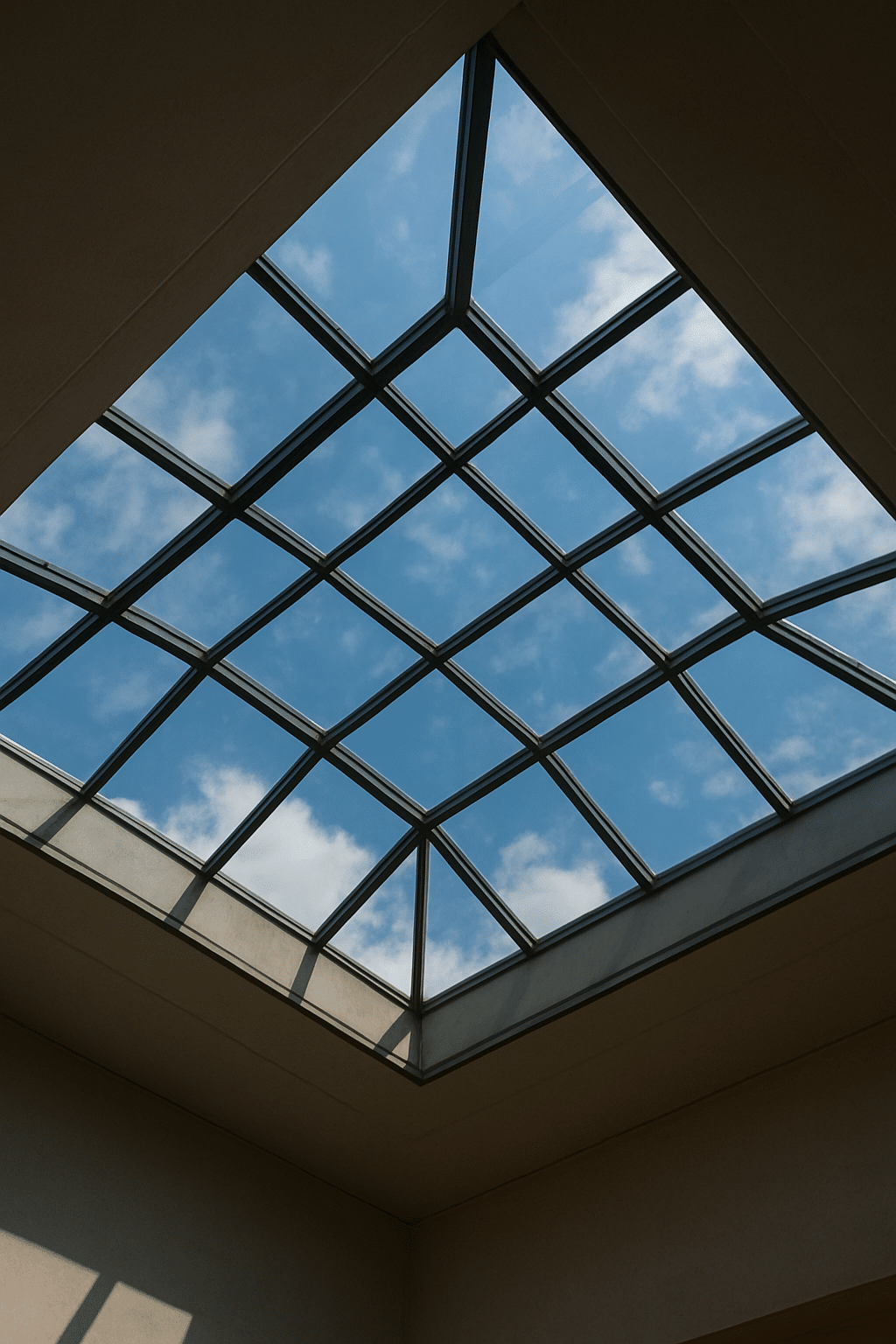
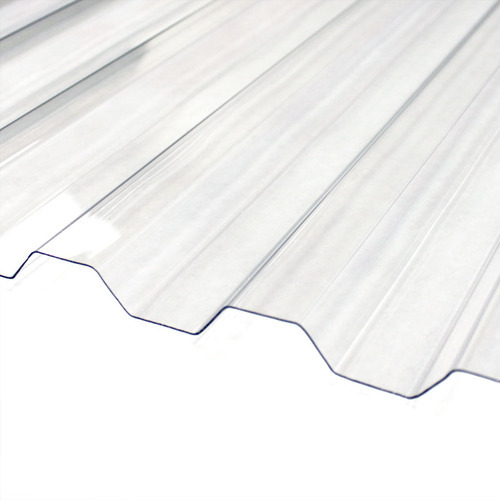
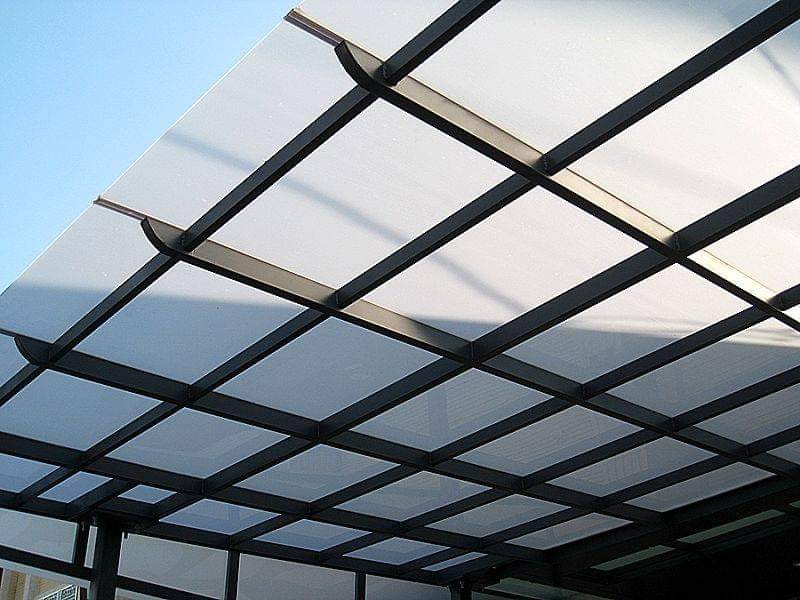
Polycarbonate roofing Kenya systems help improve natural lighting while reducing excessive heat buildup.
BHD supplies:
These roofing systems improve daylight penetration while maintaining weather resistance and UV protection.
Best Roofing Materials for Heat Reduction
Heat reduction roofing Kenya projects require roofing materials designed for thermal performance, durability, and long-term efficiency. The best roofing materials combine insulation, reflectivity, and weather resistance.
Polycarbonate Roofing Sheets
Polycarbonate sheets are increasingly popular for modern commercial roofing applications because they:
- Allow natural light
- Reduce artificial lighting costs
- Resist UV damage
- Improve indoor visibility
These systems are widely used in:
- Commercial buildings
- Warehouses
- Industrial plants
- Parking structures
- Skylight systems
Insulated Metal Roofing
Insulated metal roofing systems reduce direct heat transfer while maintaining structural strength.
Advantages include:
- Long lifespan
- Reduced indoor heat
- Improved energy savings
- Better weather protection
These systems are ideal for energy efficient roofing Kenya projects where indoor temperature control is important.
Reflective Roofing Systems
Reflective roofing materials minimize heat absorption during hot seasons.
These roofing systems are suitable for:
- Commercial roofing
- Schools
- Office buildings
- Retail centers
- Industrial facilities
Reflective roofing also helps reduce long-term cooling expenses.
Ventilated Roofing Structures
Ventilated roof systems improve airflow beneath roofing sheets to reduce trapped heat.
These systems are commonly used in:
- Factory roofing
- Agricultural storage
- Industrial warehouses
- Large commercial facilities
Roofing Specifications Table for Heat Reduction Systems
Heat reduction roofing Kenya systems require proper material selection and structural compatibility. Roofing thickness, insulation quality, and support systems all affect thermal performance.
| Material | Thickness | Heat Reduction Benefit | Common Application | Standard Length |
|---|---|---|---|---|
| Polycarbonate Sheet | 6mm | Moderate | Skylights | 5.8m |
| Polycarbonate Sheet | 10mm | High | Commercial roofing | 5.8m |
| Insulated Roofing Panel | 30–50mm | Very High | Warehouses | Custom |
| Reflective Metal Roofing | 28 Gauge | Moderate | Offices | Custom |
| Ventilated Roofing System | Varies | High | Factories | Custom |
| Zed Purlins | 1.5–3mm | Structural Support | Roofing frames | 6m |
Contractors should always consult structural engineers before selecting roofing systems for large commercial buildings.
Climate Considerations for Heat Reduction Roofing Kenya
Kenya’s climate varies significantly across different regions, making roofing material selection extremely important.
Nairobi and Central Kenya
Nairobi experiences:
- Strong UV exposure
- Cool nights
- Seasonal rainfall
Buildings in Nairobi benefit from insulated roofing systems that reduce daytime heat while maintaining indoor comfort.
Coastal Kenya
Mombasa and coastal towns experience:
- High humidity
- Intense heat
- Salt-heavy air
Roofing systems in coastal areas should resist corrosion while improving ventilation and heat reduction.
Western Kenya
Kisumu and surrounding regions experience:
- High temperatures
- Humidity
- Heavy rainfall
Ventilated roofing systems perform well in these conditions because they improve airflow and reduce trapped heat.
Industrial Zones
Industrial areas such as Athi River and Industrial Area Nairobi experience additional heat generated by machinery and manufacturing operations.
Heat reduction roofing Kenya systems in these regions should prioritize:
- Ventilation
- Reflective roofing
- Insulation
- Structural durability
The National Building Code 2024 emphasizes proper roofing performance and structural safety standards for commercial and industrial developments.
Benefits of Energy Efficient Roofing Systems
Energy efficient roofing Kenya systems provide long-term operational and financial benefits for property owners and developers.
Reduced Energy Costs
Buildings with heat reduction roofing systems require less mechanical cooling. This lowers electricity costs and improves overall efficiency.
Improved Indoor Comfort
Lower indoor temperatures create more comfortable environments for:
- Employees
- Customers
- Students
- Warehouse operators
Better Equipment Protection
High indoor temperatures can damage:
- Machinery
- Electronics
- Stored products
- Industrial equipment
Heat reduction roofing systems help maintain safer operating conditions.
Increased Building Lifespan
Modern roofing systems reduce thermal stress on structures, helping buildings last longer with lower maintenance requirements.
Structural Support Systems for Modern Roofing
Modern heat reduction roofing Kenya systems require strong support structures capable of handling roofing loads safely.
BHD supplies:
- Zed Purlins for roofing support systems
- HR Beams for industrial construction
- Square Hollow Sections (SHS) for structural framing
These structural systems support:
- Large-span roofing
- Ventilation systems
- Insulated roofing panels
- Skylight installations
Proper structural support improves roofing stability and long-term durability.
Choosing the Right Roofing Supplier in Kenya
Choosing a reliable supplier is essential for successful heat reduction roofing Kenya projects. Contractors should prioritize suppliers with strong stock availability, technical expertise, and nationwide delivery capability.
Important considerations include:
- Product quality
- Technical support
- Delivery reliability
- Material consistency
- Structural compatibility
BHD supports commercial and industrial roofing projects through fast dispatch operations and nationwide logistics support.
Contractors can also explore the BHD supplier overview page to learn more about available construction materials and roofing systems.
BHD supports same-day Nairobi deliveries and next-day countrywide dispatch to major towns including Nakuru, Kisumu, Eldoret, Mombasa, and Meru.
Installation Best Practices for Heat Reduction Roofing
Proper installation is critical for achieving maximum roofing performance.
Proper Ventilation Planning
Ventilation systems should allow continuous airflow beneath roofing structures to reduce trapped heat.
Correct Insulation Placement
Insulation materials must be installed correctly to prevent thermal gaps and heat leakage.
Proper Roofing Alignment
Roofing sheets should be aligned correctly to improve drainage and weather resistance.
Secure Fastening Systems
Roofing systems should use corrosion-resistant fasteners and waterproof sealing methods to improve durability.
Future Trends in Heat Reduction Roofing Kenya
Heat reduction roofing Kenya systems continue evolving toward improved sustainability and energy efficiency.
Emerging trends include:
- Solar-ready roofing systems
- Advanced insulation materials
- Reflective roof coatings
- Smart ventilation systems
- Lightweight roofing technologies
Developers increasingly prioritize roofing systems that reduce operational costs while improving indoor environmental quality.
Commercial and industrial construction projects now focus heavily on long-term energy efficiency and thermal management.
Conclusion
Heat reduction roofing Kenya systems help improve indoor comfort, lower cooling costs, and increase building efficiency across commercial and industrial projects. Modern roofing materials such as insulated roofing panels, reflective roofing systems, and polycarbonate sheets significantly reduce heat buildup while improving long-term durability.
Contractors and developers should select roofing systems based on climate conditions, operational requirements, and structural safety standards. Proper roofing installation and engineered support systems also play a critical role in long-term performance.
BHD supplies roofing materials, structural steel systems, and commercial construction products for projects across Kenya.
Contact Burhani Hardware Dealers (BHD)
burhanihardwaredealers [at] yahoo.com
Call/WhatsApp: +254 731 217 462 | +254 790 545 205
Visit: BHD, Industrial Area, Funzi Road, Nairobi
Website: https://bhd.co.ke/
Delivery Guarantee
- Same-day delivery within Nairobi.
- Next-day delivery countrywide to Nakuru, Kisumu, Mombasa, Eldoret, Thika, Meru, Kitengela, Malindi.
Frequently asked questions

Written & reviewed by
BHD Kenya
Burhani Hardware Dealers (BHD Kenya) is a Nairobi-based supplier of polycarbonate roofing, Alucobond/ACP cladding, Perspex, WPC wall panels and steel products, serving contractors, fabricators and homeowners across Kenya.