

Roofing Materials Kenya: Best Options for Modern Homes
Quick answer
The main roofing materials used on modern Kenyan homes are coated steel sheets, stone-coated steel tiles, clay or concrete tiles, and polycarbonate for daylight areas. Coated steel is light and quick to fix, stone-coated steel adds a tiled look without the weight, concrete and clay tiles suit heavier roof structures, and polycarbonate is used for skylights and covered walkways.
Best Roofing Materials for Modern Homes in Kenya
The best roofing materials for modern homes in Kenya depend on the home's design, climate, budget, structural requirements, maintenance expectations, and desired appearance. Popular options include coated steel roofing, stone-coated steel, clay or concrete tiles, and polycarbonate for selected daylighting areas.
A modern Kenyan home needs more than an attractive roof.
The roofing system has to handle intense sunlight, seasonal rainfall, wind, temperature changes, drainage requirements, and long-term maintenance. In coastal areas, humidity and salt exposure also make corrosion resistance important.
The right roofing material should therefore be selected according to the location and building design rather than appearance alone.
This guide compares common roofing materials in Kenya, explains where each works best, and shows how contractors and homeowners can make a practical choice.
What Are the Best Roofing Materials in Kenya?
The best roofing material is the one that matches the building's structural design, climate, roof pitch, budget, maintenance requirements, and performance expectations. Steel roofing is versatile, tiles provide a traditional or premium architectural appearance, while polycarbonate is particularly useful where natural daylight is required.
There is no single roofing material that is best for every Kenyan home.
Common options include:
| Roofing Material | Best Known For | Typical Application |
|---|---|---|
| Coated steel sheets | Lightweight and versatile | Residential and commercial roofs |
| Stone-coated steel | Decorative appearance and durability | Modern homes |
| Clay tiles | Traditional appearance | Residential homes |
| Concrete tiles | Mass and architectural appearance | Residential developments |
| Polycarbonate | Natural daylight | Skylights and canopies |
| Aluminium roofing | Corrosion resistance | Selected coastal and architectural projects |
| Roofing membranes | Low-slope applications | Specialized structures |
The choice should begin with the roof design.
A steeply pitched residential roof may accommodate materials that would not be appropriate for a low-slope structure.
How Do You Choose Roofing Materials for a Modern Home?
Choose roofing materials by evaluating climate, roof pitch, structural capacity, expected lifespan, maintenance, appearance, water drainage, wind exposure, and total installed cost. The cheapest roofing material is not always the most economical choice over the life of the building.
Before purchasing, establish:
- Building location
- Roof design
- Roof pitch
- Structural framing
- Desired appearance
- Daylighting requirements
- Budget
- Maintenance expectations
- Rainfall and wind exposure
- Material availability
For example, a home in Mombasa needs different corrosion considerations from one in Nairobi.
Likewise, a modern home designed around natural light may benefit from strategically placed transparent roofing sections.
BHD provides a broad range of construction materials that can be considered when specifying roofing and supporting structures.
Are Steel Roofing Sheets Good for Modern Kenyan Homes?
Steel roofing sheets are among the most practical roofing materials for Kenyan construction because they are relatively lightweight, widely available, easy to install, and suitable for many roof designs. Their performance depends on the steel specification, protective coating, thickness, fixing system, and installation quality.
Steel roofing can be used for:
- Residential homes
- Apartments
- Commercial buildings
- Workshops
- Warehouses
- Extensions
- Agricultural buildings
Modern steel roofing is available in different profiles and finishes.
When selecting steel roofing, check:
- Material thickness
- Coating
- Profile
- Colour
- Manufacturer specifications
- Fasteners
- Roof pitch
- Purlin spacing
A well-designed roof should also include appropriate flashing and drainage.
Is Polycarbonate a Good Roofing Material for Modern Homes?
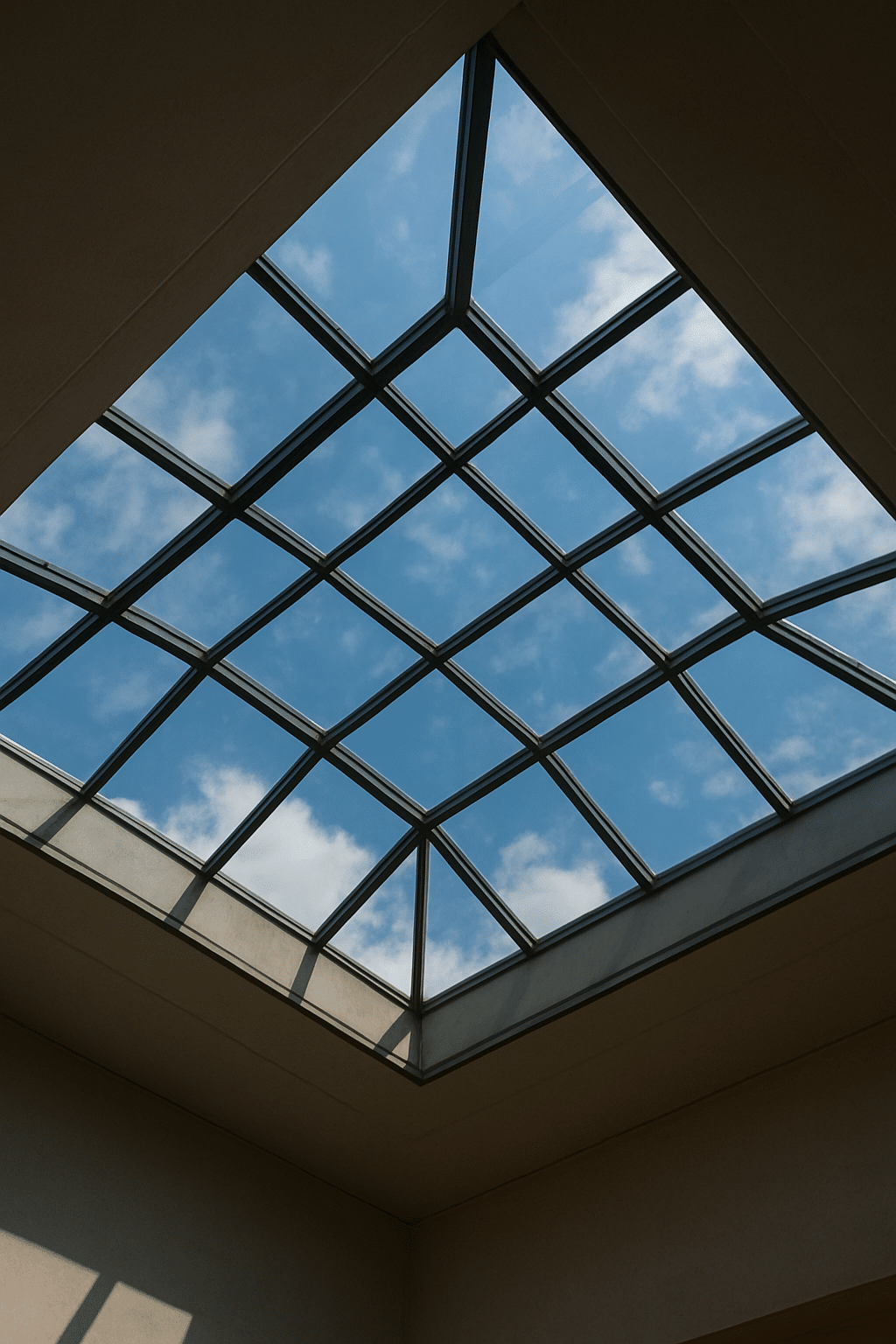
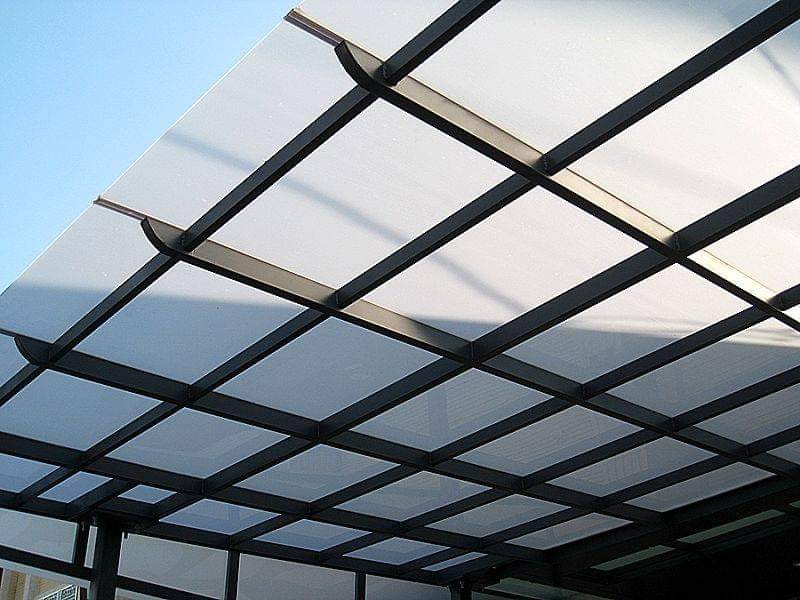
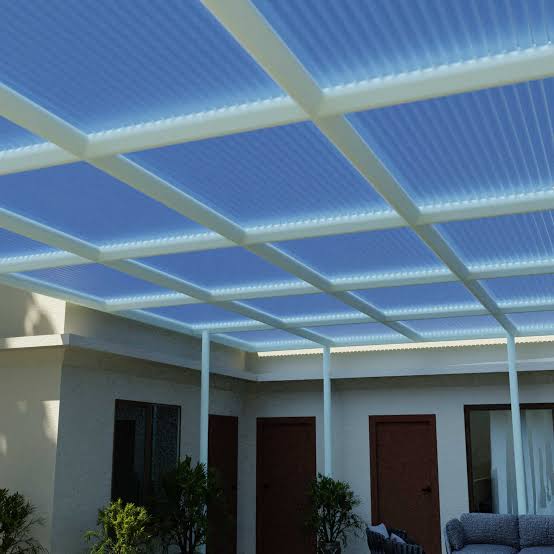
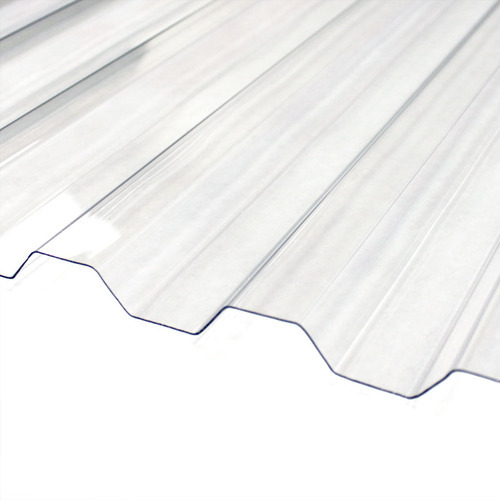
Polycarbonate is particularly useful for modern homes where natural daylight, transparency, and lightweight construction are required. It is usually best used selectively for skylights, verandas, carports, patio covers, and architectural roof sections rather than as the only roofing material for an entire house.
Polycarbonate can create a strong connection between indoor and outdoor spaces.
Typical residential applications include:
- Skylights
- Patio covers
- Verandas
- Carports
- Walkways
- Outdoor entertainment areas
- Roof daylighting
The main advantage is the ability to transmit daylight.
BHD supplies polycarbonate sheets in different categories.
For example, hollow polycarbonate sheets can be considered for lightweight daylighting applications, while solid polycarbonate sheets are useful where a continuous rigid panel is required.
What Is the Best Roofing Material for Nairobi?
For Nairobi homes, the best roofing material depends on the roof design, budget, sunlight exposure, rainfall, and architectural requirements. Coated steel is a versatile general-purpose option, while tiles and selected polycarbonate applications can provide different aesthetic and daylighting benefits.
Nairobi's climate presents several considerations:
- Strong sunlight
- UV exposure
- Seasonal rainfall
- Temperature fluctuations
- Wind
- Dust
Roofing systems should therefore allow for proper drainage and thermal movement.
For transparent roofing, UV protection and heat gain should be considered.
For steel roofing, protective coatings and proper installation are important.
For the supporting frame, products such as square hollow section SHS may be specified according to structural requirements.
What Is the Best Roofing Material for Coastal Kenya?
Coastal roofing requires materials and components that can tolerate humid, salt-laden conditions, with particular attention to corrosion protection. Roofing material selection should therefore include the roof covering, fasteners, flashings, gutters, and supporting steel rather than considering the sheet alone.
Mombasa and other coastal locations have greater corrosion risk because of:
- High humidity
- Salt-laden air
- Moisture
- Heavy rainfall
For coastal projects, consider:
- Corrosion-resistant fasteners
- Protected structural steel
- Suitable coatings
- Proper drainage
- Regular inspection
- Appropriate flashing
This is particularly important where steel roofing is fixed to a steel structure.
Even if the roofing sheet performs well, poorly protected fasteners can become a weak point.
Are Clay Tiles Good for Modern Homes?
Clay tiles are suitable for modern Kenyan homes where the design calls for a traditional, warm, or premium architectural appearance. They can provide a distinctive finish but are heavier than many sheet roofing systems, so the supporting structure must be designed accordingly.
Clay tiles can complement:
- Mediterranean-style homes
- Traditional designs
- High-end residential projects
- Villas
- Estate developments
Their weight affects structural design.
Before changing from lightweight roofing to tiles, engineers and contractors should verify whether the roof structure can safely support the additional load.
Clay tiles also require appropriate:
- Roof pitch
- Underlay
- Battens
- Fixing
- Flashing
- Drainage
Are Concrete Tiles Suitable for Kenyan Homes?
Concrete tiles can provide a durable architectural roof covering with a substantial appearance, but their relatively high weight requires a properly designed supporting structure. They are best suited to projects where the roof frame and foundations have been designed for the additional load.
Concrete tiles may be considered for:
- Residential developments
- Villas
- Large homes
- Estate projects
Their advantages can include:
- Solid appearance
- Variety of profiles
- Long-term use when properly installed
- Resistance to many common environmental conditions
However, their weight makes structural planning essential.
A contractor should never assume that an existing lightweight roof frame can automatically support concrete tiles.
What Roofing Material Is Best for Natural Daylight?
Polycarbonate is one of the most practical roofing materials for introducing natural daylight into a roof while maintaining weather protection. Clear, translucent, opal, and tinted products allow designers to control the amount and character of light entering the building.
Daylighting can be useful in:
- Kitchens
- Verandas
- Garages
- Workshops
- Walkways
- Carports
- Commercial spaces
However, more light is not always better.
Large transparent roof areas can increase:
- Solar heat
- Glare
- Indoor temperature
Designers should therefore consider orientation, shading, ventilation, colour, and panel construction.
What Roofing Materials Are Best for Hot Areas?
In hot areas, roofing selection should address solar radiation, ventilation, insulation, and heat transfer rather than focusing only on the roof covering. Reflective finishes, appropriate insulation, ventilated roof spaces, and controlled transparent areas can improve indoor comfort.
This is especially relevant in warmer regions.
For example, a clear polycarbonate panel can provide daylight but also transmit solar energy.
Possible design strategies include:
- Using translucent rather than completely clear panels
- Limiting transparent roof area
- Adding insulation
- Providing roof ventilation
- Using reflective finishes
- Creating shaded outdoor spaces
Roofing material should therefore be part of the overall thermal design.
What Roofing Materials Are Best for Windy Areas?
Wind performance depends on the complete roof system, including structural framing, fasteners, purlin spacing, roof geometry, edge restraint, and roof covering. A strong roofing material can still fail if it is poorly fixed or supported.
For windy locations, contractors should consider:
- Roof shape
- Roof pitch
- Wind exposure
- Fastener spacing
- Edge fixing
- Purlin spacing
- Structural connections
Rift Valley locations and exposed elevated sites may require particular attention to wind loading.
The supporting steel should be designed according to the project's structural requirements.
BHD supplies Zed purlins and other steel products that can form part of suitable roofing structures.
What Roofing Materials Require the Least Maintenance?
Low-maintenance roofing depends on material quality, installation, environmental exposure, drainage, and maintenance practices. Properly coated steel, suitable tiles, and correctly installed polycarbonate can all provide practical service when selected and maintained according to their specifications.
Maintenance requirements can include:
- Removing leaves
- Clearing gutters
- Checking fasteners
- Inspecting flashing
- Checking for corrosion
- Cleaning transparent panels
- Inspecting joints
- Repairing damaged sections
Gutters deserve particular attention because blocked drainage can cause water to back up beneath roofing.
BHD supplies PVC gutters for appropriate rainwater management applications.
What Specifications Should You Compare When Buying Roofing Materials?
Compare roofing materials using measurable specifications such as thickness, weight, dimensions, coating, profile, load requirements, thermal performance, corrosion resistance, and installation requirements. A product should be evaluated against the actual building application rather than its appearance or advertised durability alone.
A useful comparison table is:
| Parameter | What to Check |
| Material | Steel, tile, polycarbonate, aluminium, etc. |
| Thickness | Manufacturer's specification |
| Weight | kg/m² where applicable |
| Dimensions | Sheet/tile dimensions |
| Profile | Roof profile or tile design |
| Coating | Protective coating where applicable |
| UV protection | Particularly for exposed polymer products |
| Roof pitch | Minimum recommended pitch |
| Support spacing | Manufacturer/engineer specification |
| Fixings | Recommended fasteners |
| Maintenance | Inspection and cleaning requirements |
| Application | Residential, commercial, canopy, etc. |
Practical Roofing Specification Example
| Parameter | Example |
| Roofing type | Polycarbonate |
| Construction | Hollow/multiwall |
| Thickness | Confirm project requirement |
| Length | According to roof dimensions |
| Width | According to product |
| Colour | Clear/opal/tinted |
| UV protection | Confirm outdoor specification |
| Support | Steel purlins/rafters |
| Fixing | Manufacturer-recommended system |
| Application | Skylight/daylighting |
Actual technical values should always be confirmed from the selected product's documentation.
How Much Do Roofing Materials Cost in Kenya?
Roofing costs in Kenya vary according to material, roof size, design complexity, structural requirements, labour, transport, accessories, and market conditions. The most useful comparison is the complete installed roof cost rather than the purchase price of the roofing material alone.
A roofing budget should account for:
- Roof covering
- Timber or steel structure
- Purlins
- Fasteners
- Flashings
- Gutters
- Insulation
- Labour
- Transport
- Waste
- Finishing
A cheaper roofing sheet can become more expensive if it requires additional structural work or frequent maintenance.
Similarly, premium roofing can be economical when its performance and maintenance requirements justify the initial investment.
For current material availability and quotations, homeowners and contractors can contact BHD with their project specifications.
How Do You Calculate the Amount of Roofing Material Required?
Calculate roofing quantities from the actual roof dimensions, pitch, profile coverage, overlaps, openings, and waste rather than using the building's floor area alone. The final material schedule should include the roof covering, supporting components, flashings, drainage, and installation accessories.
For a simple rectangular roof:
Roof area = roof length × roof slope width
For a pitched roof, calculate each roof slope separately.
Then account for:
- Side laps
- End laps
- Ridge
- Valleys
- Hips
- Eaves
- Cutting
- Waste
For complex roofs, a detailed material take-off is preferable.
What Role Does the Supporting Structure Play in Roofing?
The supporting structure determines how safely and effectively the roof covering can perform under its expected loads. Steel sections, purlins, rafters, connections, and foundations must be designed to suit the roof covering, span, wind exposure, and other project requirements.
Common structural components include:
- SHS
- RHS
- CHS
- Z-purlins
- Flat bars
- Beams
- Plates
BHD supplies rectangular hollow section RHS and circular hollow section CHS for structural and fabrication applications.
For heavy structural requirements, HR beams may also form part of the design.
The correct section size must be established by the project engineer or qualified structural professional.
What Roofing Material Is Best for a Modern Architectural Look?
Modern architectural roofs often combine clean lines, simple profiles, controlled colours, and carefully positioned daylighting features. Steel roofing, concealed-fix systems, tiles, and polycarbonate can all contribute to a modern appearance when their profiles and detailing are integrated with the building design.
Modern roofing is not defined by one material.
The appearance can be improved through:
- Consistent roof lines
- Concealed or neat fixings
- Matching flashings
- Integrated gutters
- Controlled roof overhangs
- Strategic skylights
- Complementary wall finishes
Architectural sheet products can also contribute to modern exterior detailing.
BHD supplies Alucobond sheets for architectural applications where composite panels are appropriate.
What Roofing Material Is Best for a Budget-Conscious Home?
For a budget-conscious home, choose a roofing material that provides the required performance without unnecessary specifications or features. Lightweight steel roofing can be practical for many residential projects, while polycarbonate can be limited to selected areas where daylight is genuinely beneficial.
Cost control should focus on the complete roof.
Useful strategies include:
- Choose an efficient roof design
- Avoid unnecessary complexity
- Optimize sheet lengths
- Minimize cutting waste
- Compare complete quotations
- Specify the correct thickness
- Plan drainage early
- Purchase compatible accessories together
Reducing the material specification below what the project requires can create higher costs later.
What Standards Should Kenyan Roofing Projects Consider?
Roofing materials and construction work should comply with applicable Kenyan standards, building requirements, project specifications, and manufacturer instructions. Compliance supports structural safety, material quality, proper installation, and long-term building performance.
Contractors should consider relevant KEBS standards for the selected roofing and construction products.
The National Building Code 2024 should also be considered where its requirements apply to the building project.
Compliance matters because roofing affects:
- Structural safety
- Weather protection
- Drainage
- Fire considerations
- Material performance
- Occupant safety
Buyers should request relevant product documentation and verify that materials meet the specifications required for their project.
How Do You Choose Between Roofing Materials?
The simplest way to choose roofing materials is to compare each option against the project's location, structural capacity, roof design, climate exposure, appearance, maintenance needs, and total installed cost. The material that performs adequately at the lowest appropriate lifecycle cost is generally a better choice than the cheapest material available.
Use this decision framework:
Choose Steel Roofing When:
- Lightweight construction is important
- Budget is controlled
- Fast installation is required
- A wide range of profiles is desired
Choose Clay or Concrete Tiles When:
- Architectural appearance is a priority
- The structure can support greater weight
- A tiled roof aesthetic is required
Choose Polycarbonate When:
- Natural daylight is important
- A canopy or skylight is required
- Transparency is part of the design
Choose Specialized Materials When:
- The building has unusual roof geometry
- Low-slope construction is involved
- The project has specific architectural or environmental requirements
Frequently Asked Questions About Roofing Materials in Kenya
Kenyan homeowners should select roofing materials according to climate, structural design, budget, maintenance, appearance, and intended use. Steel, tiles, and polycarbonate each have different strengths and are suited to different applications.
1. What is the best roofing material for a modern house in Kenya?
Steel roofing, tiles, and selected architectural roofing systems can all be suitable. The best choice depends on the home's design, climate, structural capacity, budget, and maintenance requirements.
2. Which roofing material lasts the longest?
Service life depends on material quality, environmental exposure, installation, maintenance, and product specification. There is no single lifespan that applies to every roofing product.
3. Is polycarbonate good for house roofing?
Polycarbonate is particularly useful for skylights, carports, verandas, canopies, and daylighting sections. It does not have to cover the entire roof to provide significant daylight benefits.
4. What is the best roofing material for Nairobi?
Several materials can work well in Nairobi. Steel roofing is versatile, tiles provide an architectural option, and polycarbonate is useful for selected transparent sections.
5. What is the best roofing material for Mombasa?
Coastal roofing should prioritize corrosion resistance and proper protection of metal components. The complete roofing system, including fasteners and supporting steel, should be specified for the coastal environment.
6. Are tiles better than iron sheets?
Neither is universally better. Tiles provide a different appearance and structural load profile, while steel sheets are generally lighter and can be easier to handle and install.
7. What roofing material is best for hot weather?
The roof should address solar heat, ventilation, and insulation. Reflective finishes, insulation, ventilation, and controlled daylighting can all contribute to improved thermal comfort.
8. How much does roofing cost in Kenya?
The cost depends on roof size, material, structure, labour, accessories, transport, and design complexity. A project-specific quotation is more useful than a generic roofing price.
Final Verdict: Best Roofing Materials for Modern Kenyan Homes
The best roofing materials for modern homes in Kenya are not determined by price or appearance alone; they should be selected according to climate, roof design, structural requirements, maintenance, and total lifecycle cost. Steel roofing offers versatility, tiles provide distinctive architectural finishes, and polycarbonate adds natural daylight where transparency is required.
For a successful roofing project, focus on the complete system.
Check:
- Material specification
- Roof pitch
- Structural support
- Wind exposure
- UV exposure
- Corrosion risk
- Drainage
- Fasteners
- Flashings
- Maintenance
- Total installed cost
BHD supplies construction, structural steel, roofing-related, and architectural materials for Kenyan projects.
For material selection and current quotations, visit the BHD catalog or contact the team directly.
Contact Burhani Hardware Dealers (BHD)
burhanihardwaredealers [at] yahoo.com
Call/WhatsApp: +254 731 217 462 | +254 704 606 131
Visit: BHD, Industrial Area, Funzi Road, Nairobi
Website: https://bhd.co.ke/
Delivery Guarantee:
Same-day delivery within Nairobi.
Next-day delivery countrywide to Nakuru, Kisumu, Mombasa, Eldoret, Thika, Meru, Kitengela, Malindi.
Frequently asked questions

Written & reviewed by
BHD Kenya
Burhani Hardware Dealers (BHD Kenya) is a Nairobi-based supplier of polycarbonate roofing, Alucobond/ACP cladding, Perspex, WPC wall panels and steel products, serving contractors, fabricators and homeowners across Kenya.