Polycarbonate Prices Kenya: 2026 Roofing Cost Guide
Quick answer
There is no single price for polycarbonate sheet in Kenya. What you pay depends on the type, solid or hollow multiwall, the thickness, the sheet length and width, the colour and UV coating, the profile, and the quantity ordered. Get a quotation against your exact specification rather than relying on a generic per-sheet figure.
How Much Do Polycarbonate Sheets Cost in Kenya?
Polycarbonate sheet prices in Kenya vary according to the sheet type, thickness, dimensions, colour, UV protection, profile, quantity, and supplier. For an accurate roofing cost, buyers should compare the complete specification and request a current quotation rather than relying on a generic price per sheet.
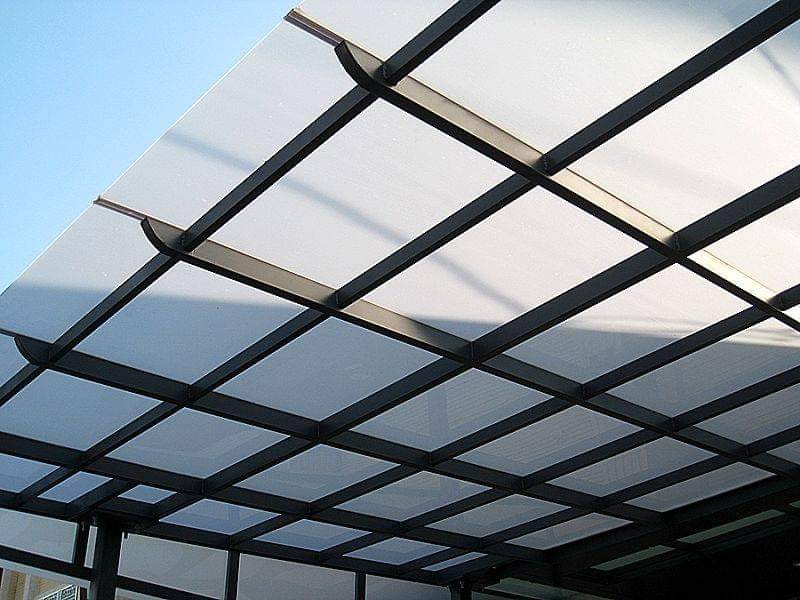
Polycarbonate has become a practical material for Kenyan projects that require natural daylight without using conventional glass. It is used for skylights, carports, canopies, verandas, walkways, commercial buildings, warehouses, greenhouses, and architectural features.
However, asking only "How much is a polycarbonate sheet in Kenya?" does not provide enough information to establish a useful project budget.
A 2 mm solid polycarbonate panel and a multiwall hollow polycarbonate panel are different products. Sheet dimensions also affect the amount of material required, while thickness and UV protection can significantly influence the price.
This guide explains the factors affecting polycarbonate prices in Kenya, how to estimate roofing costs, what specifications to request, and how to avoid common purchasing mistakes.
How Much Do Polycarbonate Sheets Cost in Kenya?
Polycarbonate sheet prices in Kenya depend on the product specification rather than one fixed market price. Thickness, sheet type, size, colour, UV protection, quantity, availability, and delivery location all influence the final quotation.
For an accurate price, suppliers normally need information such as:
- Polycarbonate type
- Thickness
- Sheet width
- Sheet length
- Colour
- Transparency
- UV protection
- Quantity
- Intended application
- Delivery location
The two main categories are solid polycarbonate and hollow polycarbonate.
Solid panels have a continuous structure, while hollow panels contain internal chambers.
BHD supplies both options, including solid polycarbonate sheets and Egyptian hollow polycarbonate sheets.
Because market prices can change, contractors should obtain a current quotation using their exact specifications.
What Factors Determine Polycarbonate Prices in Kenya?
The biggest factors affecting polycarbonate prices are sheet construction, thickness, dimensions, UV protection, colour, quantity, and application requirements. A larger or thicker panel generally requires more material, while specialized specifications can increase the overall cost.
1. Sheet Type
Solid and hollow polycarbonate are priced differently because their manufacturing processes and material structures differ.
2. Thickness
Thickness affects material usage, rigidity, weight, and application suitability.
A thin panel intended for a lightweight application should not automatically be substituted for a thicker product simply because it costs less.
3. Sheet Dimensions
Longer or wider sheets cover more roof area per panel but may have a higher price per sheet.
The important figure for budgeting is often the cost per square metre, not just the price of one sheet.
4. UV Protection
Outdoor roofing should be specified with appropriate UV protection.
UV-protected products are designed to withstand prolonged exposure to sunlight and are particularly relevant for Kenya's outdoor construction environment.
5. Colour and Light Transmission
Clear, opal, bronze, and other finishes can have different prices.
The choice also affects:
- Daylight
- Glare
- Solar heat
- Appearance
6. Quantity
Large projects may have different pricing from small purchases.
A contractor ordering material for an entire commercial roof should provide the total quantity when requesting a quotation.
7. Delivery Location
Transport costs can affect the final project price, particularly when materials are delivered outside Nairobi.
Does Polycarbonate Thickness Affect Price?
Yes, thickness is an important factor in polycarbonate pricing because thicker sheets generally require more material and can provide greater rigidity or impact resistance. However, the thickest available sheet is not necessarily the most cost-effective choice for every application.
The correct thickness depends on:
- Span
- Support spacing
- Application
- Wind exposure
- Expected impact
- Panel construction
- Manufacturer specifications
For example, a small covered walkway and a large exposed commercial canopy may have completely different structural requirements.
Contractors should therefore specify thickness according to the project rather than selecting it solely according to price.
What Are Typical Polycarbonate Sheet Sizes?
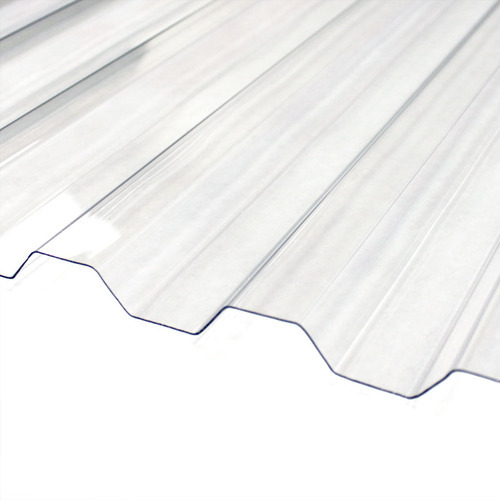
Polycarbonate sheets are available in different widths, lengths, and thicknesses depending on the product and manufacturer. Buyers should confirm actual dimensions before calculating coverage because effective roof coverage can be less than the nominal sheet dimensions after overlaps and edge detailing.
A project material schedule should include:
| Specification | What to Confirm |
|---|---|
| Sheet type | Solid, hollow or profiled |
| Thickness | Actual product thickness |
| Width | Overall sheet width |
| Length | Required or available length |
| Effective coverage | Coverage after overlaps |
| Weight | kg/m² where provided |
| Colour | Clear, opal, bronze, etc. |
| UV protection | Confirm outdoor suitability |
| Profile | Flat, corrugated or other |
| Accessories | Fixings, trims, profiles and seals |
For large projects, calculating effective coverage is more useful than simply multiplying the number of sheets by their nominal dimensions.
What Is the Cost of Polycarbonate Roofing Per Square Metre?
Polycarbonate roofing cost per square metre depends on the exact sheet specification and should be calculated using the material price, effective coverage, accessories, supporting structure, labour, transport, and waste. A sheet-only price does not represent the full installed roofing cost.
A useful project calculation is:
Total roofing cost = sheets + accessories + supporting structure + labour + transport + waste
For example, if a project requires 100 m² of effective roof coverage, the contractor should not automatically purchase exactly 100 m² of nominal sheet area.
Additional material may be required because of:
- Side overlaps
- End overlaps
- Cutting
- Edge waste
- Openings
- Ridge details
- Flashings
The final quantity should therefore be established from the actual roof dimensions and installation method.
How Do You Calculate Polycarbonate Roofing Requirements?
To estimate the quantity of polycarbonate sheets, measure the roof area, determine the effective coverage of the selected sheet, account for overlaps and cutting, and then add a reasonable allowance for waste. The final quantity should be checked against the actual roof design and panel dimensions.
A basic process is:
Step 1: Measure the Roof
Determine:
- Length
- Width
- Roof pitch
- Openings
- Ridges
- Valleys
- Edges
Step 2: Calculate Roof Area
For a simple rectangular roof:
Roof area = length × width
A pitched roof requires the actual sloping dimensions rather than simply using the building footprint.
Step 3: Determine Effective Sheet Coverage
Account for side and end overlaps.
Step 4: Calculate the Number of Sheets
Divide the required roof coverage by the effective coverage of one sheet.
Step 5: Account for Waste
Consider cutting and site-specific requirements.
Step 6: Add Accessories
Include:
- Screws
- Washers
- Profiles
- Flashings
- Sealants
- Edge closures
- Gutters
BHD supplies PVC gutters that can be used as part of appropriate rainwater drainage systems.
Is Hollow Polycarbonate Cheaper Than Solid Polycarbonate?
Hollow polycarbonate can be a cost-effective option for large lightweight roofing and daylighting projects because its chambered structure uses material efficiently and reduces weight. Solid polycarbonate can cost more in some specifications because it contains a continuous mass of polycarbonate through the panel.
However, price should not be the only comparison.
Hollow panels can offer useful characteristics such as:
- Low weight
- Daylight transmission
- Chamber-based thermal performance
- Easy handling
- Suitability for large areas
Solid panels can offer:
- Continuous construction
- High impact resistance
- Clear glazing
- Robust architectural appearance
BHD's polycarbonate sheets catalog provides access to different polycarbonate product categories.
What Is the Difference Between Roofing Cost and Sheet Price?
The price of a polycarbonate sheet is only one part of the total roofing cost. A complete project budget must include the panels, steel or other supporting structure, fasteners, flashing, drainage, labour, transport, and installation-related accessories.
This distinction is particularly important when comparing quotations.
One supplier may quote only the sheets.
Another quotation may include:
- Sheets
- Screws
- Profiles
- Flashings
- Delivery
Comparing the two totals without checking what is included can produce a misleading result.
For a fair comparison, contractors should request an itemized quotation.
How Much Does a Polycarbonate Carport Cost?
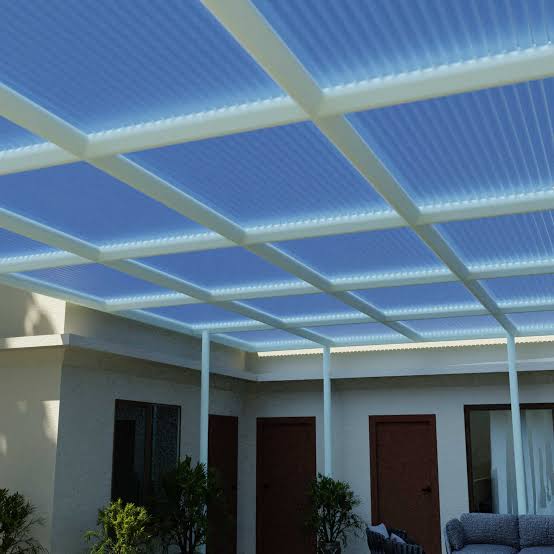
The cost of a polycarbonate carport depends on its dimensions, steel frame, polycarbonate type, thickness, roofing design, foundation requirements, drainage, labour, and site location. The polycarbonate sheets are only one component of the total construction cost.
For a carport quotation, provide:
- Number of vehicles
- Overall length
- Overall width
- Roof height
- Roof style
- Preferred polycarbonate type
- Desired transparency
- Steel frame specification
- Location
The supporting frame can represent a significant portion of the project cost.
Steel sections such as SHS and RHS may be considered according to the structural requirements.
The final section sizes should be determined by the appropriate structural design rather than selected solely based on the sheet price.
How Much Does a Polycarbonate Skylight Cost?
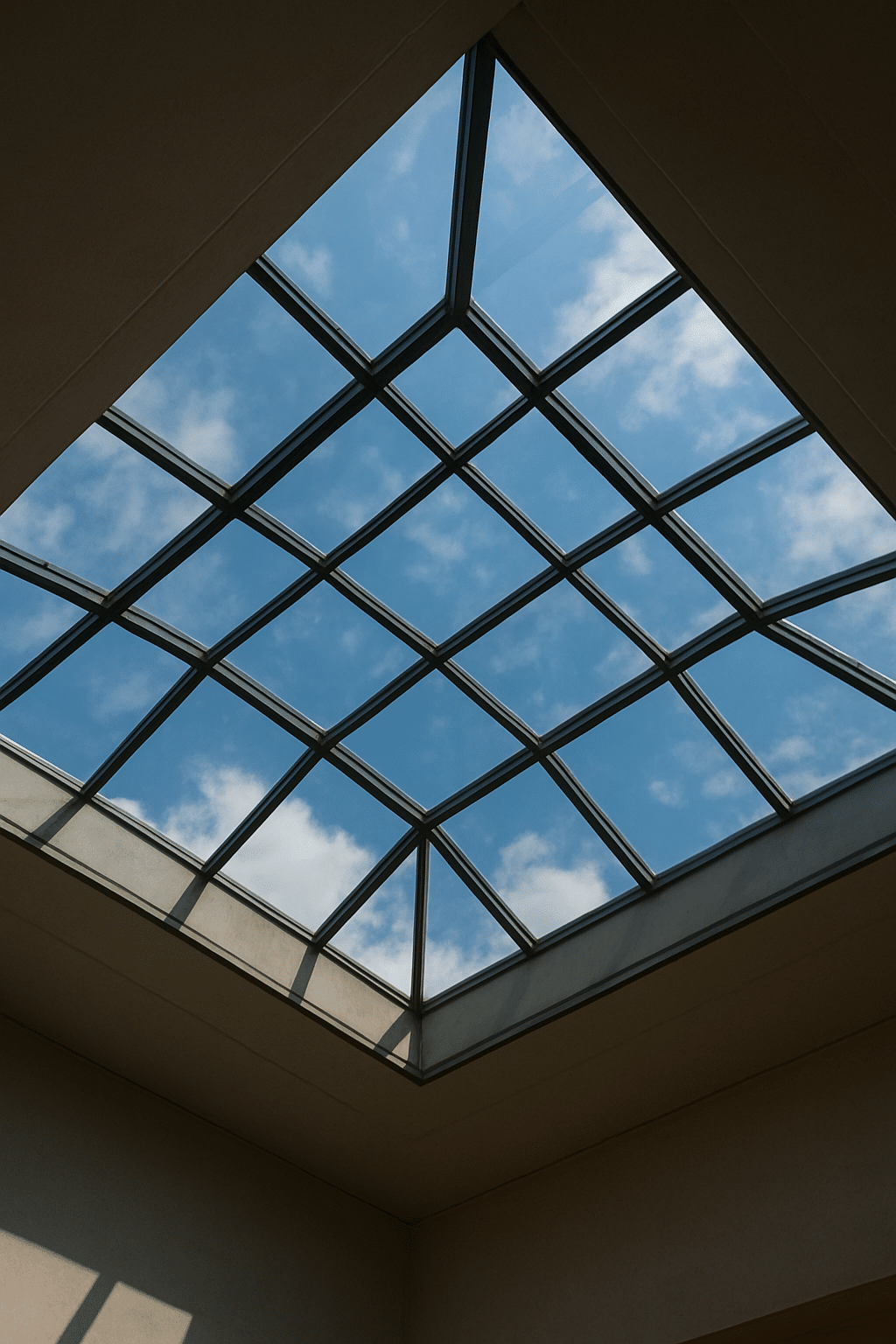
A polycarbonate skylight cost depends on the opening size, sheet type, thickness, frame, flashing, waterproofing details, and installation method. A small residential skylight may require relatively little material, while commercial daylighting systems can involve substantial framing and installation work.
For skylights, material cost should be evaluated together with performance.
A clear sheet can provide maximum daylight, while opal or tinted options can help reduce glare.
The correct choice depends on the room and roof design.
For large commercial buildings, contractors should also consider:
- Solar heat gain
- Daylight distribution
- Roof orientation
- Structural support
- Maintenance access
- Drainage
- Cleaning
Does Location Affect Polycarbonate Roofing Costs in Kenya?
Yes, location can affect the final cost because transport, delivery distance, accessibility, and site conditions can change the delivered price. Nairobi projects may benefit from shorter local logistics, while projects in other counties require transport planning for long or bulky sheets.
BHD operates from Industrial Area, Funzi Road, Nairobi and provides:
- Same-day delivery within Nairobi
- Next-day delivery countrywide
Delivery destinations include:
- Nakuru
- Kisumu
- Mombasa
- Eldoret
- Thika
- Meru
- Kitengela
- Malindi
For a quotation, always provide the delivery location.
A project in Nairobi and one in Mombasa may require different logistics even if they use exactly the same roofing specification.
How Does Kenyan Climate Affect Polycarbonate Selection?
Kenyan climate conditions should be considered when selecting polycarbonate because sunlight, UV exposure, rainfall, humidity, wind, and temperature changes affect roofing performance. Coastal projects require particular attention to corrosion of metal components, while exposed areas require appropriate structural and fixing design for wind conditions.
Nairobi and Central Kenya
Key considerations include:
- Strong sunlight
- UV exposure
- Temperature variation
- Rainfall
- Wind
- Dust
UV protection and thermal movement should be considered for exposed roofs.
Mombasa and Coastal Kenya
The coastal environment introduces:
- High humidity
- Salt-laden air
- Corrosion risk
The polycarbonate panel should be specified appropriately, but fasteners and supporting steel also need suitable corrosion protection.
Rift Valley
Wind exposure can become an important structural consideration.
The roof should be designed with appropriate:
- Support spacing
- Fixings
- Edge restraints
- Structural framing
- Wind-load considerations
A strong roofing sheet cannot compensate for a poorly designed supporting structure.
What Should Be Included in a Polycarbonate Roofing Quotation?
A proper polycarbonate roofing quotation should clearly state the sheet type, dimensions, thickness, quantity, price, accessories, delivery, and any installation costs. Itemized quotations make it easier to compare suppliers and identify missing components.
A useful quotation should include:
| Item | Specification |
| Sheet type | Solid/hollow |
| Thickness | Exact thickness |
| Dimensions | Width × length |
| Colour | Clear/opal/tinted |
| UV protection | Confirmed |
| Quantity | Number of sheets |
| Effective coverage | m² |
| Unit price | Per sheet or m² |
| Accessories | Profiles, screws, seals |
| Transport | Delivery charge |
| Labour | If applicable |
| Total | Complete quotation |
This format gives contractors better visibility of the actual project cost.
What Additional Materials Are Needed for Polycarbonate Roofing?
Polycarbonate sheets normally require supporting materials and installation accessories, including a suitable frame, fasteners, washers, profiles, flashings, seals, and drainage components. The exact accessories depend on the sheet design and roof configuration.
A typical roofing system may include:
- Steel frame
- SHS or RHS
- Purlins
- Roofing screws
- Washers
- Profiles
- Flashings
- Sealants
- Gutters
- Downpipes
For structural steel requirements, contractors can review BHD's steel products in Kenya.
Where architectural finishes are also required, BHD supplies Perspex sheets and other sheet products.
How Can You Reduce Polycarbonate Roofing Costs Without Sacrificing Quality?
The best way to control polycarbonate roofing costs is to select the correct specification, minimize unnecessary waste, optimize sheet dimensions, plan the supporting structure, and purchase the required accessories together. Choosing an unsuitable low-cost sheet can increase long-term costs through repairs, replacement, or installation problems.
Practical cost-control measures include:
Choose the Correct Thickness
Do not automatically specify the thickest panel.
Choose according to the project's actual requirements.
Optimize Sheet Lengths
Longer panels can reduce the number of joints in some roof designs.
However, transport and handling must also be considered.
Reduce Cutting Waste
Coordinate the roof dimensions and sheet sizes during design where possible.
Plan Accessories
Missing profiles, screws, flashings, or seals can cause additional site purchases.
Purchase as One Project
Where practical, coordinate the complete material requirement before ordering.
Compare Complete Quotations
Do not compare sheet prices alone.
Compare the delivered and installed system.
Is Cheap Polycarbonate Roofing Worth Buying?
The lowest-priced polycarbonate sheet is not necessarily the lowest-cost roofing solution because inadequate UV protection, unsuitable thickness, poor installation compatibility, or low-quality accessories can increase maintenance and replacement costs. Buyers should compare technical specifications alongside price.
Before accepting a low quotation, ask:
- What is the sheet type?
- What is the thickness?
- Does it have UV protection?
- What are the dimensions?
- What is the manufacturer's specification?
- What accessories are included?
- Is delivery included?
- Is installation included?
- What quantity is being quoted?
A lower price becomes meaningful only when the products being compared have equivalent specifications.
What Standards and Quality Checks Should Buyers Consider?
Construction materials should be selected according to applicable Kenyan requirements, project specifications, and manufacturer technical documentation. Buyers should verify product quality, documentation, intended application, and compliance requirements rather than relying only on appearance or price.
For construction projects in Kenya, compliance with applicable requirements and standards is important for:
- Safety
- Material consistency
- Building performance
- Procurement documentation
- Quality control
- Project approvals
The National Building Code 2024 should also be considered where its provisions apply to the project.
For specific products, contractors should request relevant technical documentation and applicable standards information from the supplier or manufacturer.
Frequently Asked Questions About Polycarbonate Prices in Kenya
Polycarbonate prices in Kenya vary according to material type, thickness, size, UV protection, quantity, and delivery requirements. The most accurate way to establish a project price is to provide complete specifications and request a current quotation.
1. How much is a polycarbonate sheet in Kenya?
There is no single price because polycarbonate sheets differ in type, thickness, size, colour, and construction. Request a current quotation based on the exact specification.
2. Is hollow polycarbonate cheaper than solid polycarbonate?
Hollow polycarbonate can be more economical for some large lightweight applications, but the final price depends on the product specification and supplier.
3. What is the price of polycarbonate roofing per square metre?
The price varies according to the sheet specification. Calculate the complete cost using the sheet price, effective coverage, accessories, structure, labour, transport, and waste.
4. Is polycarbonate more expensive than iron sheets?
The comparison depends on the products being compared and the complete roof specification. Polycarbonate provides transparency and daylighting, which conventional opaque roofing does not.
5. What thickness of polycarbonate is best for roofing?
There is no universal thickness. The correct specification depends on the application, support spacing, span, wind exposure, and manufacturer's technical data.
6. Are UV-protected polycarbonate sheets worth the extra cost?
For outdoor roofing, appropriate UV protection is an important consideration because the panels are exposed to sunlight for extended periods.
7. Can polycarbonate be used for a carport?
Yes. Polycarbonate is suitable for many carport designs when the sheet, supporting frame, fixings, drainage, and wind exposure are properly addressed.
8. How can I get an accurate polycarbonate quotation?
Provide the supplier with the sheet type, thickness, dimensions, quantity, colour, application, and delivery location. This allows the supplier to prepare a more useful quotation.
Final Verdict on Polycarbonate Roofing Costs in Kenya
Polycarbonate roofing costs in Kenya depend on the complete product and installation specification rather than a single price per sheet. For an accurate budget, compare sheet type, thickness, dimensions, UV protection, effective coverage, accessories, supporting structure, labour, transport, and waste.
Whether you are pricing a skylight, carport, canopy, patio, warehouse, or commercial daylighting system, start with the application and work backward to the material specification.
A good procurement process should establish:
- Product type
- Thickness
- Dimensions
- Quantity
- UV protection
- Colour
- Effective coverage
- Accessories
- Supporting structure
- Labour
- Delivery
- Total project cost
For current availability and pricing, speak with BHD and provide your project requirements.
Contact Burhani Hardware Dealers (BHD)
burhanihardwaredealers [at] yahoo.com
Call/WhatsApp: +254 731 217 462 | +254 704 606 131
Visit: BHD, Industrial Area, Funzi Road, Nairobi
Website: https://bhd.co.ke/
Delivery Guarantee:
Same-day delivery within Nairobi.
Next-day delivery countrywide to Nakuru, Kisumu, Mombasa, Eldoret, Thika, Meru, Kitengela, Malindi.
Frequently asked questions
Written & reviewed by
BHD Kenya
Burhani Hardware Dealers (BHD Kenya) is a Nairobi-based supplier of polycarbonate roofing, Alucobond/ACP cladding, Perspex, WPC wall panels and steel products, serving contractors, fabricators and homeowners across Kenya.