
How to Reduce Heat Using Roofing Sheets
Quick answer
Indoor heat drops when the roof reflects rather than absorbs sunlight and when the heat that does get through is stopped before it reaches the ceiling. Light-coloured or reflective roofing sheets, an insulated ceiling void, ridge or gable ventilation and shaded openings work together; no single sheet fixes a hot house on its own.
Cool roofing in Kenya can help reduce solar heat gain, especially when roofing materials are combined with appropriate insulation, ventilation and building design. The right approach depends on the roof material, colour, building orientation, ceiling construction and local climate.
A roof receives significant solar exposure during the day. If heat is transferred directly through the roofing system and ceiling into living spaces, indoor temperatures can become uncomfortable, particularly during hot periods.
Choosing roofing sheets is therefore not only about appearance and durability. For homes, offices, schools, shops and other buildings, thermal performance can also be an important consideration.
However, simply replacing one roofing sheet with another does not automatically solve overheating.
A more effective approach considers the entire roofing system.
This includes:
- Roofing material
- Roof colour
- Insulation
- Roof cavity
- Ventilation
- Ceiling
- Shading
- Building orientation
This guide explains how these factors work together to reduce heat and create more comfortable interiors.
How Can Roofing Sheets Reduce Heat?
Roofing sheets can influence indoor temperatures by determining how much solar radiation is absorbed and how much heat is transferred into the building. Reflective surfaces, appropriate insulation and adequate ventilation can help limit heat entering occupied spaces.
The roof is one of the building surfaces most exposed to direct sunlight.
During the day, solar radiation reaches the roof surface. Some energy is reflected while some is absorbed by the roofing material.
The absorbed energy increases the temperature of the roof, and some of that heat can eventually move into the building.
The amount of heat transferred depends on the complete roof construction.
A roof with reflective material and good insulation will generally behave differently from an uninsulated roof with a dark, highly absorptive surface.
What Is Cool Roofing in Kenya?
Cool roofing refers to roofing approaches designed to reduce solar heat gain, often by using surfaces that reflect more sunlight and absorb less heat. In Kenya, cool-roof strategies can be useful for buildings exposed to strong daytime solar radiation.
A cool-roof approach can involve:
- Reflective roofing surfaces
- Light-coloured finishes
- Appropriate insulation
- Ventilated roof spaces
- Shading
- Suitable ceiling systems
The goal is not simply to make the roof surface look cooler.
The objective is to reduce the amount of heat that ultimately reaches the occupied interior.
Which Roofing Sheets Are Best for Heat Reduction?
There is no single roofing sheet that is automatically the best for every hot building. Heat performance depends on the roofing material, surface finish, insulation, ventilation and overall roof design.
When comparing roofing options, consider:
Surface colour
Lighter and more reflective surfaces can reduce solar absorption compared with darker surfaces, although actual performance depends on the product.
Material properties
Different roofing materials have different thermal characteristics.
Insulation
Insulation can significantly reduce heat transfer from the roof into the interior.
Roof cavity
A properly designed roof cavity can provide additional separation between the hot roof surface and the ceiling.
Ventilation
Air movement within the roof space can help manage accumulated heat.
Therefore, don't choose roofing material based solely on a statement such as "heat resistant."
Ask for the relevant technical information and consider the complete roof assembly.
Do Light-Coloured Roofing Sheets Reduce Heat?
Light-coloured roofing surfaces can reflect more solar radiation than many darker surfaces, potentially reducing the amount of heat absorbed by the roof. However, colour alone does not determine indoor temperature because insulation and ventilation also play important roles.
This is one reason light-coloured roofs are commonly considered for buildings in hot climates.
However, a light-coloured roof without adequate insulation can still transfer substantial heat into the building.
Think of colour as one part of the solution, not the complete solution.
How Does Roof Insulation Reduce Indoor Heat?
Roof insulation reduces the rate at which heat moves between the hot roof and the building interior. Correctly specified and installed insulation can therefore improve indoor thermal comfort, particularly in buildings exposed to strong daytime solar heating.
Insulation can be installed in different parts of a roof assembly depending on the building design.
Potential locations include:
- Below the roofing system
- Within the roof cavity
- Above the ceiling
- As part of a composite roofing system
The appropriate method depends on the roof construction.
When specifying insulation, consider:
- Thermal performance
- Thickness
- Moisture
- Fire performance
- Installation method
- Compatibility with the roof system
Insulation should be installed continuously and correctly. Gaps can reduce its effectiveness.
Why Is Roof Ventilation Important?
Roof ventilation allows accumulated heat and moisture to move out of the roof space when the system is properly designed. It can complement insulation by reducing the amount of heat that remains trapped above the ceiling.
Ventilation strategies may include appropriately designed:
- Ridge ventilation
- Eave ventilation
- Roof vents
- Openings
- Ventilated cavities
The design should allow air to enter and exit effectively.
Simply creating an opening in a roof does not automatically produce effective ventilation.
Ventilation must also consider:
- Rain protection
- Insects
- Dust
- Security
- Building design
Can Reflective Roofing Reduce Heat?
Reflective roofing can reduce the amount of solar energy absorbed by the roof surface compared with a less reflective surface under similar conditions. The actual benefit depends on the roofing product, surface finish, climate and complete roof assembly.
When selecting reflective roofing, ask suppliers about:
- Surface finish
- Colour
- Coating
- Product specifications
- Expected service environment
A reflective coating can also change over time due to weathering and dirt accumulation, so maintenance matters.
How Does Roof Design Affect Indoor Temperature?
Roof geometry, orientation, shading, ventilation and ceiling construction can all influence heat gain. A well-designed roof system considers these factors together rather than relying entirely on the roofing sheet.
For example, roof design can incorporate:
- Adequate roof overhangs
- Ventilated roof spaces
- Shading
- Appropriate roof pitch
- Insulated ceilings
- Carefully positioned openings
Large roof overhangs can also help shade walls and windows, reducing heat entering through other parts of the building.
Are Polycarbonate Sheets Suitable for Hot Conditions?
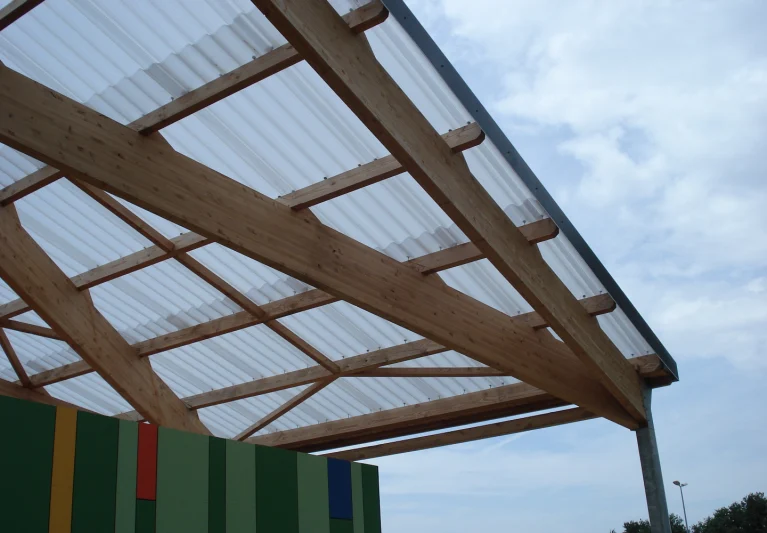
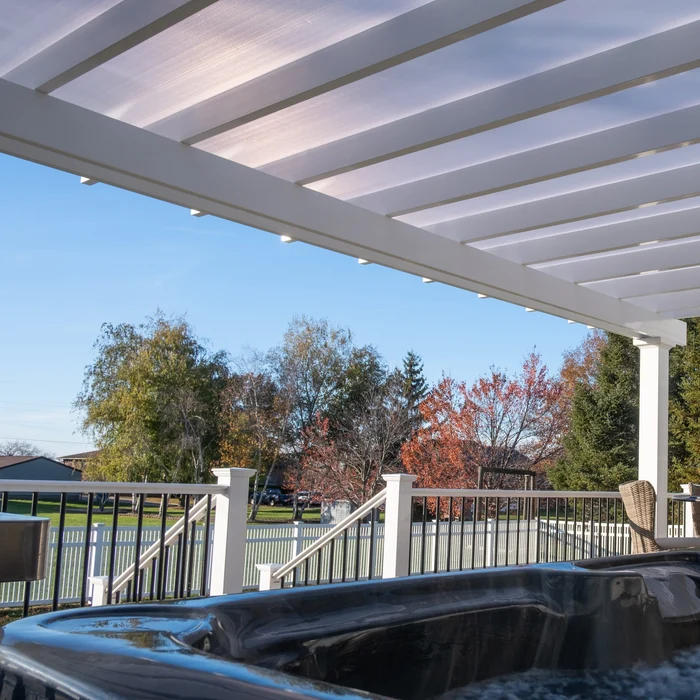
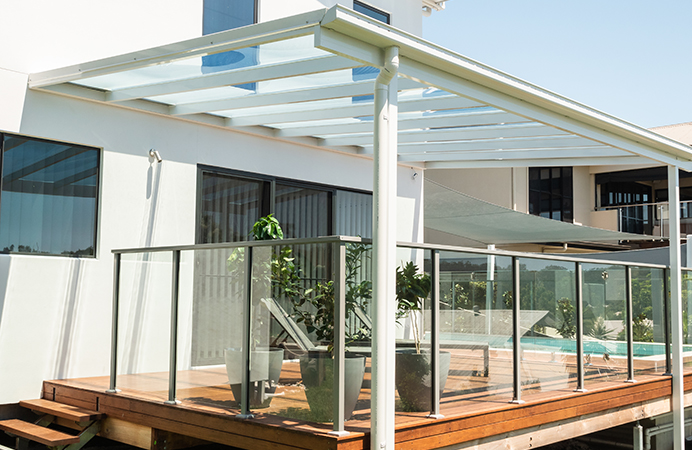
Polycarbonate sheets can be useful for applications such as skylights, canopies and daylighting, but their thermal performance depends on the specific product and installation. They should be selected according to the intended application rather than treated as a universal heat-control solution.
Polycarbonate is commonly used for:
- Skylights
- Canopies
- Walkways
- Carports
- Greenhouses
- Daylighting sections
For roofing applications, BHD provides polycarbonate roofing sheets.
Different polycarbonate constructions have different characteristics.
For example, solid polycarbonate sheets differ from hollow polycarbonate sheets in construction and application.
Where heat gain is a concern, the product's specifications, solar-control characteristics and installation arrangement should be reviewed.
How Can You Combine Roofing Sheets With Insulation?
Combining appropriate roofing with insulation can provide better heat control than relying on roofing sheets alone. The roofing material manages solar exposure while insulation helps slow the movement of heat into the building.
A basic strategy is:
Roofing sheet → roof cavity/insulation → ceiling → occupied room
Each layer contributes to the building's thermal performance.
For a new building, thermal performance should be considered during the design stage.
For an existing building, possible improvements may include:
- Adding insulation
- Improving roof ventilation
- Replacing unsuitable roofing
- Adding shading
- Improving ceiling performance
The most cost-effective solution depends on the existing building.
Can a Ceiling Help Reduce Roof Heat?
A ceiling creates an additional separation between the roof and occupied space and can work with insulation and ventilation to reduce heat transfer. The ceiling alone, however, should not be relied upon as the only heat-control measure.
A roof cavity between the roofing sheets and ceiling can provide useful separation.
Where possible, consider:
- Insulated ceiling systems
- Adequate roof cavity
- Ventilation
- Properly sealed openings
- Appropriate ceiling materials
The complete assembly should be considered during design.
How Can Roof Overhangs Reduce Heat?
Roof overhangs can provide shade to external walls and windows, reducing direct solar exposure. They are particularly useful when combined with appropriate building orientation, glazing and natural ventilation.
Overhangs can protect:
- Windows
- Doors
- External walls
- Verandas
However, overhang dimensions should be determined according to the building design rather than simply maximised.
Does Roof Colour Matter in Kenya?
Roof colour can influence solar heat absorption, with lighter and more reflective surfaces generally absorbing less solar energy than darker surfaces under comparable conditions. Colour should nevertheless be considered alongside insulation and ventilation.
When selecting a roofing finish, consider both:
Appearance + thermal performance
A light-coloured roof can be especially useful where strong solar exposure is expected, but the actual performance depends on the specific product.
How Can You Reduce Heat in an Existing House?
Existing homes can often improve thermal comfort through a combination of insulation, roof ventilation, reflective surfaces, shading and improved ceiling performance. The most appropriate upgrade depends on where heat is entering the building.
Start by identifying the main source.
Check:
- Roof surface
- Ceiling
- Windows
- External walls
- Doors
- Roof cavity
If the roof is the major source, possible interventions include:
- Adding insulation
- Improving ventilation
- Replacing unsuitable roofing
- Applying an appropriate reflective finish
- Increasing external shading
There is little benefit in spending heavily on the roof if most heat is entering through large unshaded windows.
What Are the Best Roofing Strategies for Hot Kenyan Areas?
Buildings in hot parts of Kenya benefit from roof systems that manage solar exposure while allowing appropriate ventilation and insulation. Coastal and arid environments may require particular attention to humidity, corrosion, solar exposure and maintenance.
Coastal Kenya
Consider:
- Strong sunlight
- High humidity
- Salt exposure
- Natural ventilation
- Corrosion resistance
Metal components should have suitable protection for the environment.
Nairobi and Central Kenya
Consider:
- Daytime solar exposure
- Seasonal rainfall
- Temperature variation
- Roof ventilation
- Insulation
Northern Kenya
Consider:
- Intense solar radiation
- High daytime temperatures
- Roof reflectivity
- Insulation
- Shading
- Ventilation
How Much Does Cool Roofing Cost in Kenya?
The cost of a cool-roofing solution in Kenya depends on the roofing material, roof size, insulation, ventilation, structural requirements, accessories, labour and transport. A roofing sheet price alone does not represent the total cost of improving thermal performance.
When requesting a quotation, provide:
- Roof dimensions
- Existing or new roof
- Roofing material
- Preferred colour
- Insulation requirements
- Roof design
- Location
- Required accessories
For a new construction project, it is often more efficient to incorporate thermal measures during the initial design rather than retrofit them later.
What Are Common Mistakes When Trying to Reduce Roof Heat?
Common mistakes include focusing only on roofing colour, ignoring insulation, blocking ventilation, selecting materials without checking specifications and assuming that one product will solve every heat problem.
Avoid:
- Choosing roofing based only on colour
- Ignoring insulation
- Blocking roof ventilation
- Using unsuitable insulation
- Installing insulation with large gaps
- Ignoring windows and wall heat gain
- Selecting products without technical specifications
- Assuming all polycarbonate products perform identically
- Neglecting roof maintenance
- Treating "heat resistant" as a universal performance guarantee
A good thermal strategy looks at the whole building.
How Can Maintenance Affect Roof Heat Performance?
Roof maintenance can help preserve the intended performance of reflective and coated roofing surfaces. Dirt, deterioration and damage can change the condition of the roof and may affect its appearance and performance over time.
Regular inspections should check for:
- Dirt accumulation
- Damaged coatings
- Corrosion
- Loose fasteners
- Leaks
- Blocked gutters
- Damaged insulation
- Ventilation obstructions
For more information on roof care, follow a structured roof maintenance approach.
Frequently Asked Questions About Cool Roofing
Reducing roof heat requires more than selecting a particular sheet. Roofing material, colour, insulation, ventilation, ceiling construction, shading and building design all contribute to indoor thermal comfort.
What is the best roofing sheet for reducing heat?
There is no universal best roofing sheet. Reflective or light-coloured roofing can help reduce solar absorption, while insulation and ventilation help control the heat that reaches the interior.
Do white roofing sheets reduce heat?
Light or white roofing surfaces can reflect more solar radiation than many dark surfaces. However, insulation, ventilation and the rest of the building envelope also affect indoor temperature.
How can I make my roof cooler?
Consider reflective roofing, appropriate insulation, roof ventilation, shading and a properly designed roof cavity.
Does roof insulation reduce heat?
Yes. Insulation slows heat transfer through the roof assembly and can improve indoor thermal comfort when correctly specified and installed.
Are metal roofing sheets hot?
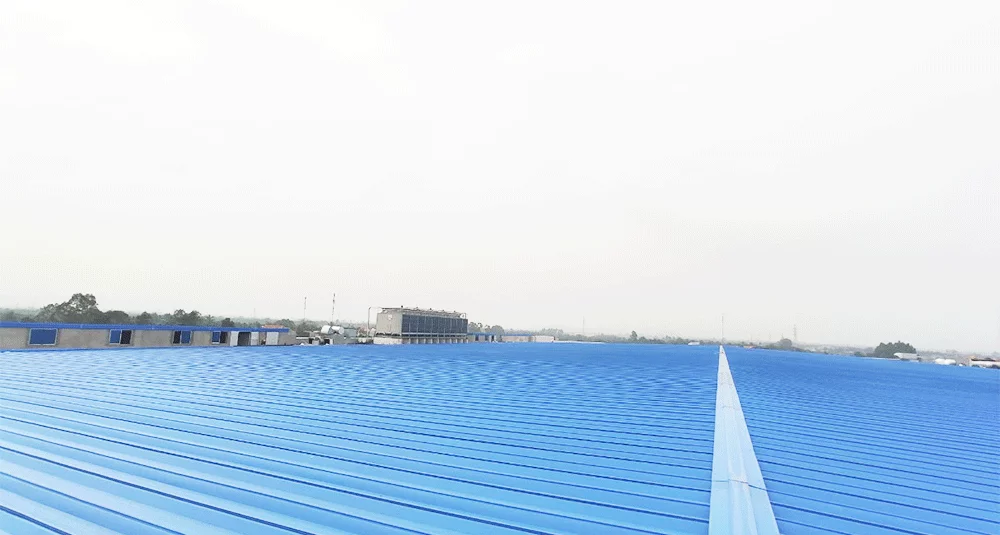
Metal roofing sheets can become hot under direct sunlight because they absorb solar energy. The indoor effect depends heavily on insulation, ventilation, ceiling construction and the complete roof assembly.
How can I reduce heat under an iron sheet roof?
Consider improving insulation and roof ventilation, using an appropriate reflective finish where suitable and adding shading. The most effective solution depends on the existing roof construction.
Does roof ventilation reduce indoor temperature?
Properly designed roof ventilation can help remove accumulated heat from the roof space. It works best as part of a broader thermal strategy.
Are polycarbonate roofing sheets suitable for hot weather?
Polycarbonate can be suitable for specific applications, including daylighting and canopies, but product selection should consider solar exposure and the manufacturer's technical specifications.
How much does cool roofing cost in Kenya?
Costs vary according to roof size, roofing material, insulation, ventilation, labour, accessories and transport. A site-specific quotation provides a more accurate estimate.
Conclusion
Cool roofing in Kenya is best approached as a complete roof-system strategy rather than simply changing roofing sheets. Reflective surfaces, appropriate insulation, ventilation, shading and good roof design can work together to reduce solar heat gain and improve indoor comfort.
Before choosing roofing materials, consider:
- Roof colour
- Roofing material
- Solar exposure
- Insulation
- Roof ventilation
- Ceiling construction
- Roof cavity
- Building orientation
- Shading
- Local climate
- Maintenance
For roofing and construction materials, browse the BHD product catalogue.
For daylighting and suitable roofing applications, explore polycarbonate sheets.
Contact Burhani Hardware Dealers (BHD)
Email: burhanihardwaredealers [at] yahoo.com
Call/WhatsApp: +254 731 217 462 | +254 704 606 131
Visit: BHD, Industrial Area, Funzi Road, Nairobi
Website: https://bhd.co.ke/
Delivery: Same-day delivery within Nairobi and next-day delivery countrywide to major towns including Nakuru, Kisumu, Mombasa, Eldoret, Thika, Meru, Kitengela and Malindi.
Frequently asked questions

Written & reviewed by
BHD Kenya
Burhani Hardware Dealers (BHD Kenya) is a Nairobi-based supplier of polycarbonate roofing, Alucobond/ACP cladding, Perspex, WPC wall panels and steel products, serving contractors, fabricators and homeowners across Kenya.