
How to Reduce Heat Using Roofing Sheets in Kenya (2026 Guide)
Quick answer
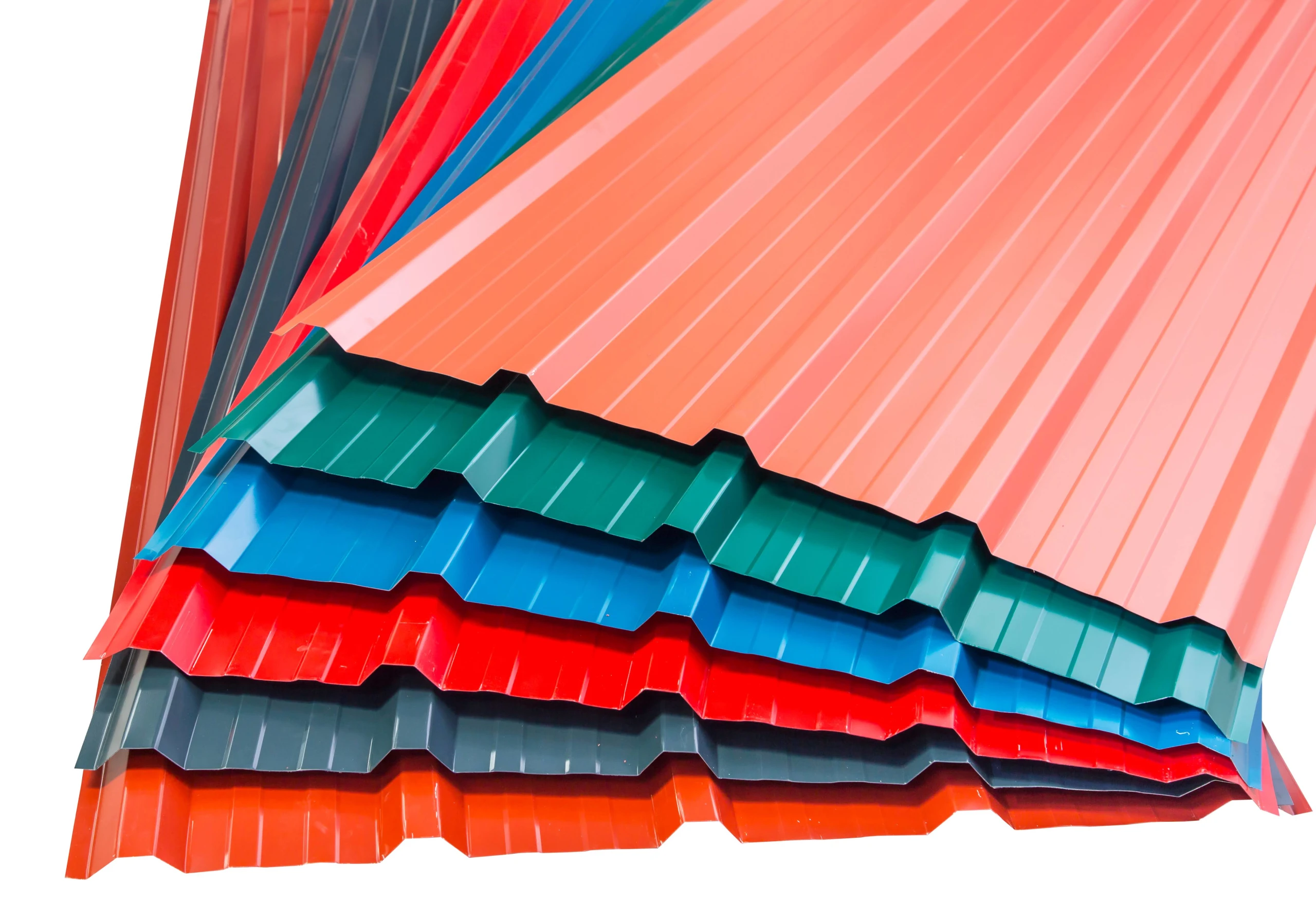
Indoor heat drops when the roof reflects more sunlight, conducts less of it inward and vents the hot air trapped beneath. In practice that means a light or reflective sheet finish, an insulating layer or multiwall construction rather than bare single-skin metal, tinted rather than clear translucent panels, and ridge or eaves ventilation.
Hot indoor temperatures are one of the most common challenges in Kenyan homes, especially in urban areas like Nairobi, coastal regions such as Mombasa, and rapidly growing towns across the country. The main cause is often the roofing system, which absorbs and transfers solar heat into living spaces.
Reducing heat using roofing sheets is mainly achieved by selecting materials that reflect sunlight, reduce thermal conductivity, and support better airflow beneath the roof structure. With the right roofing solution, indoor temperatures can drop significantly, improving comfort while reducing dependence on electric cooling systems like fans and air conditioners.
Modern construction suppliers such as Burhani Hardware Dealers (BHD) provide roofing and structural materials designed specifically for Kenya’s diverse climate conditions, helping homeowners and contractors achieve better thermal performance and durability.
What Causes Excess Heat in Kenyan Roofs
Roof heat buildup occurs when roofing materials absorb solar radiation and transfer it into the building interior due to poor thermal resistance and ventilation. In Kenya, intense sunlight combined with long daytime exposure makes roofs the primary source of indoor heat gain.
Several factors contribute to this problem:
- Dark-colored roofing materials that absorb heat
- Thin metal sheets without insulation layers
- Poor roof ventilation systems
- Low-quality or non-reflective coatings
- Direct solar exposure throughout the day
In areas like the Coast, humidity worsens heat discomfort, while in Nairobi and Central Kenya, temperature fluctuations make heat retention more noticeable at night.
To understand better material selection, contractors often refer to structural product ranges available in the BHD steel products catalog, which includes roofing support systems designed for durability and heat resistance.
Best Roofing Sheets for Reducing Heat in Kenya
The most effective heat-reducing roofing sheets in Kenya are those designed with reflective surfaces, insulating air layers, or UV-resistant materials that minimize heat transfer into buildings.
Common high-performance options include:
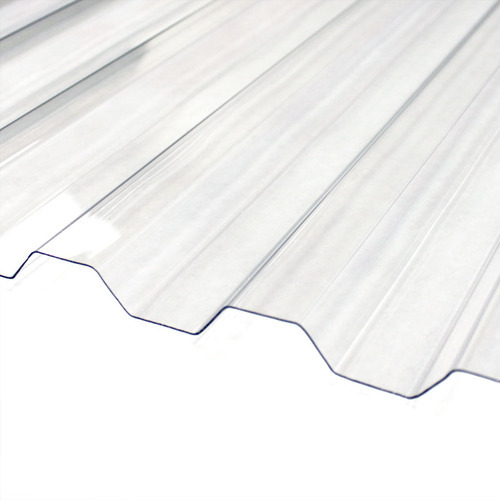
Polycarbonate Roofing Sheets
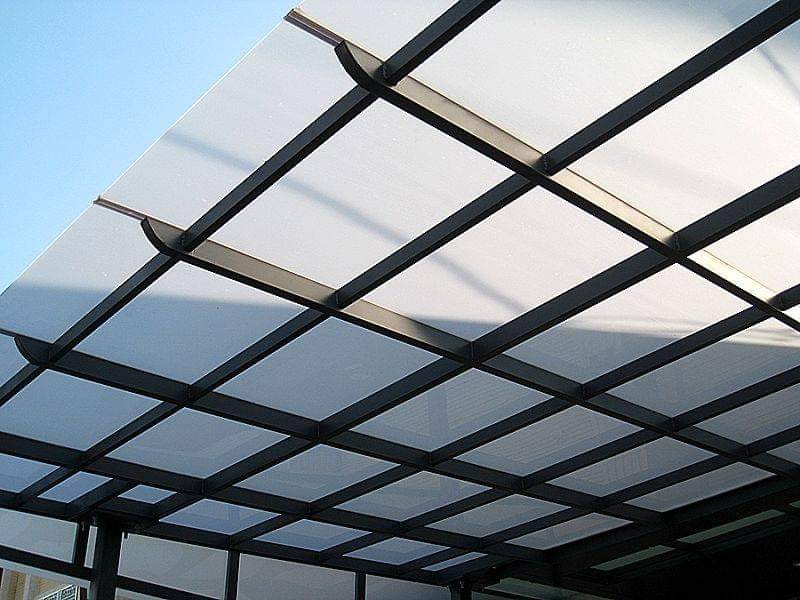
Polycarbonate sheets are widely used due to their ability to filter UV rays while allowing natural light transmission. Their hollow structures trap air, creating a natural insulation barrier.
You can explore options like:
These are especially effective in greenhouses, patios, and modern residential roofing where heat control and lighting balance are important.
Aluminium-Coated Roofing Sheets
These sheets reflect sunlight instead of absorbing it, reducing surface temperature significantly.
Insulated Roofing Panels
These combine metal sheets with foam or insulating layers, offering maximum thermal control for commercial and industrial buildings.
Light-Colored GI Sheets
A more affordable option where reflective paint is applied to reduce heat absorption.
How Polycarbonate Roofing Reduces Heat
Polycarbonate roofing sheets reduce heat by filtering ultraviolet radiation and slowing down heat transfer through their multi-layered structure. Unlike traditional metal sheets, they do not conduct heat directly into interior spaces.
In Kenya’s environment:
- Coastal areas benefit from UV resistance and corrosion stability
- Nairobi homes experience lower midday heat buildup
- Agricultural structures maintain stable internal temperatures
For structural support systems used alongside polycarbonate roofing, materials like Square Hollow Sections (SHS) provide strong and durable framing capable of supporting lightweight roofing systems without deformation under heat stress.
Importance of Roof Design in Heat Reduction
Roof design plays a major role in heat reduction because airflow and slope determine how quickly heat escapes from the structure. Even high-quality roofing sheets will underperform if ventilation is poor.
Effective design strategies include:
- Increasing roof pitch to allow hot air to rise and escape
- Installing ridge vents for continuous airflow
- Using soffit vents for fresh air intake
- Creating shaded roofing extensions where possible
In many Kenyan residential buildings, poor ventilation is the primary reason for overheating even when better materials are used.
Structural reinforcement materials such as HR beams are often used in modern roofing frameworks to support wider spans and improve roof elevation, which enhances airflow and cooling efficiency.
Role of Reflective and Coated Roofing Surfaces
Reflective roofing surfaces reduce heat by bouncing solar radiation away from the roof instead of absorbing it into the structure. This is one of the most cost-effective heat control methods in Kenyan construction.
Key approaches include:
- White or silver reflective coatings
- Aluminium foil-backed roofing systems
- UV-reflective paint applications
These solutions are particularly useful in urban housing where full roof replacement may not be immediately possible.
For modern façade and roofing integration, architectural materials such as Alucobond sheets are also used to reduce heat gain in commercial buildings while improving aesthetic appeal.
Climate-Based Roofing Selection in Kenya
Kenya’s diverse climate requires different roofing approaches depending on region-specific heat, humidity, and wind conditions.
Coastal Region (Mombasa, Malindi)
- High humidity and salt exposure
- Requires corrosion-resistant and UV-stable roofing
- Polycarbonate and coated metal sheets perform best
Nairobi & Central Kenya
- Moderate climate with strong sun exposure
- Needs balanced thermal regulation
- Reflective metal and hybrid roofing systems are ideal
Rift Valley
- Strong winds and cooler nights
- Requires structurally reinforced roofing systems
- Steel framing systems are preferred
For supporting drainage and water management in these environments, systems like PVC gutters help prevent water damage that can worsen thermal inefficiency over time.
Technical Specifications of Heat-Reducing Roofing Sheets
| Parameter | Description |
|---|---|
| Thickness | 0.8mm – 2.0mm (metal), 4mm – 10mm (polycarbonate) |
| Material Type | Polycarbonate / Aluminium-coated steel / GI sheets |
| Heat Resistance | High (UV stabilized variants perform better) |
| Lifespan | 10 – 25 years depending on maintenance |
| Application | Residential, commercial, industrial roofing |
These specifications vary depending on manufacturer standards and compliance with KEBS regulations (KS 02-17) and the National Building Code 2024, which ensure structural safety and durability.
Energy Efficiency Benefits of Cool Roofing
Heat-reducing roofing systems significantly improve energy efficiency by lowering indoor cooling requirements. This reduces electricity consumption and long-term operational costs for households and commercial buildings.
Key benefits include:
- Reduced indoor temperature fluctuations
- Lower electricity bills from reduced fan/AC usage
- Improved indoor comfort and productivity
- Extended roof lifespan due to lower thermal stress
For contractors and developers, sourcing materials from reliable suppliers such as BHD Kenya’s homepage ensures access to certified, climate-appropriate roofing solutions.
Installation Factors That Affect Heat Performance
Even the best roofing material will underperform if installation is not done correctly or ventilation is ignored.
Critical installation factors include:
- Correct spacing between roofing sheets
- Proper sealing to prevent heat leaks
- Adequate roof height for air circulation
- Use of reflective underlays where needed
Professional contractors often combine roofing systems with structural steel from BHD’s catalog to ensure stability and optimal performance under heat stress conditions.
Maintenance Practices for Long-Term Heat Control
Regular maintenance ensures roofing sheets continue performing efficiently in heat reduction over time.
Recommended practices:
- Cleaning reflective surfaces to maintain performance
- Inspecting for corrosion or coating damage
- Repainting reflective coatings when necessary
- Checking ventilation systems for blockages
Neglecting maintenance reduces the heat-reflective efficiency of roofing materials and increases indoor temperatures over time.
FAQs on Heat Reduction Roofing in Kenya
What is the best roofing sheet for hot climates in Kenya?
Polycarbonate and reflective metal roofing sheets are the most effective due to their ability to reduce heat absorption.
Do metal roofs increase indoor heat?
Yes, unless they are coated or insulated. Bare metal absorbs and transfers heat quickly.
Are polycarbonate sheets suitable for residential roofing?
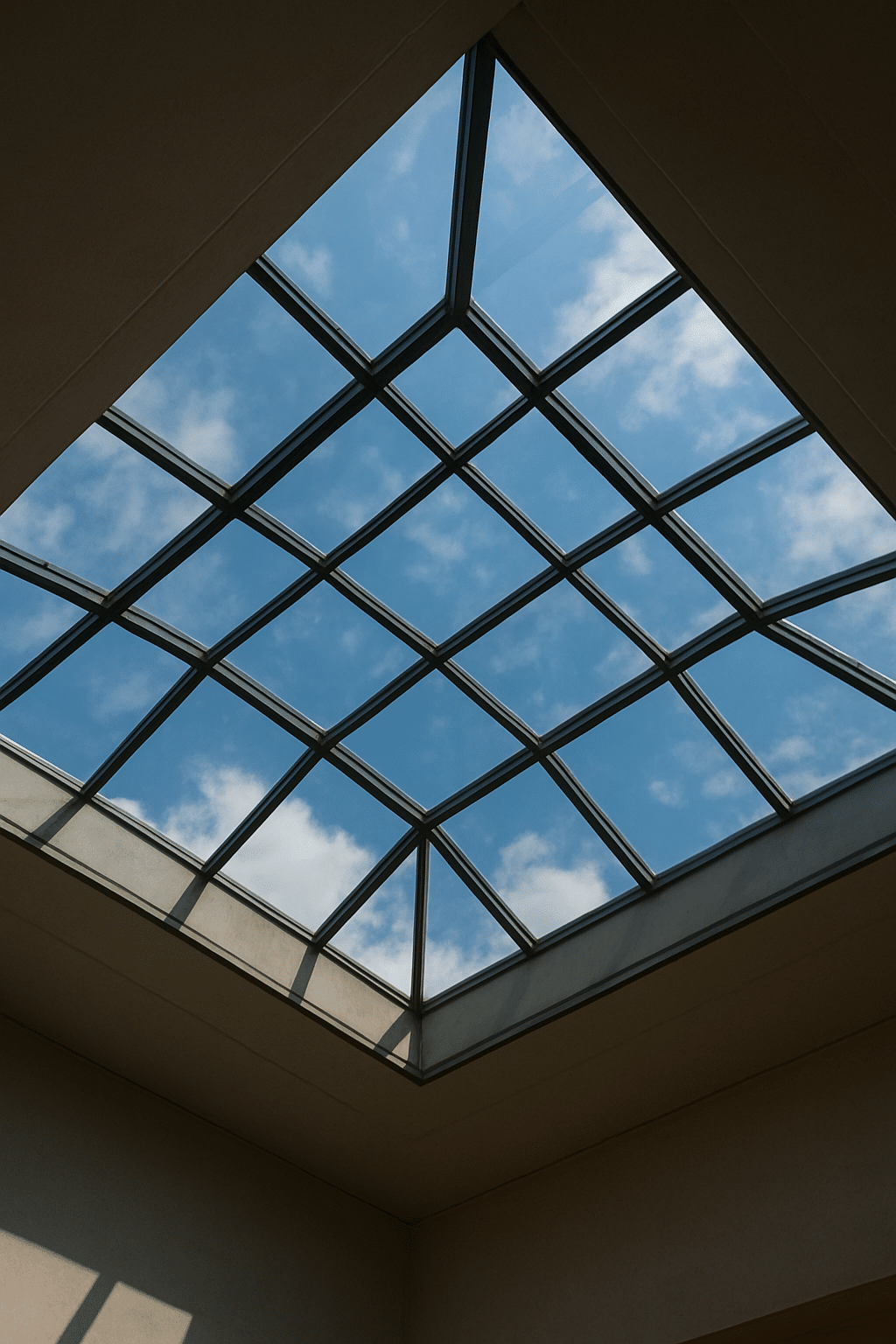
Yes, they are ideal for patios, skylights, and modern roofing systems due to UV resistance and insulation properties.
How long do heat-resistant roofing sheets last?
They typically last between 10 to 25 years depending on material quality and maintenance.
Can ventilation alone reduce roof heat?
No, ventilation must be combined with proper roofing materials for effective cooling.
Is cool roofing expensive?
Initial costs may be higher, but long-term energy savings make it cost-effective.
Conclusion
Reducing heat using roofing sheets in Kenya requires a combination of reflective materials, proper ventilation design, and climate-specific construction choices. Polycarbonate systems, reflective metal sheets, and insulated roofing solutions all play a role in improving indoor comfort and reducing energy consumption.
By sourcing materials from trusted suppliers such as Burhani Hardware Dealers (BHD), contractors and homeowners can ensure compliance, durability, and optimal thermal performance across different Kenyan climates.
Contact Burhani Hardware Dealers (BHD)
📧 burhanihardwaredealers [at] yahoo.com
📞 Call/WhatsApp: +254 731 217 462 | +254 790 545 205
📍 Visit: BHD, Industrial Area, Funzi Road, Nairobi
🌐 https://bhd.co.ke/
Delivery Guarantee:
Same-day delivery within Nairobi.
Next-day delivery countrywide to Nakuru, Kisumu, Mombasa, Eldoret, Thika, Meru, Kitengela, Malindi.
Frequently asked questions

Written & reviewed by
BHD Kenya
Burhani Hardware Dealers (BHD Kenya) is a Nairobi-based supplier of polycarbonate roofing, Alucobond/ACP cladding, Perspex, WPC wall panels and steel products, serving contractors, fabricators and homeowners across Kenya.