
Office Cladding Materials Kenya: ACP Facade Guide 2026 | BHD Kenya
Quick answer
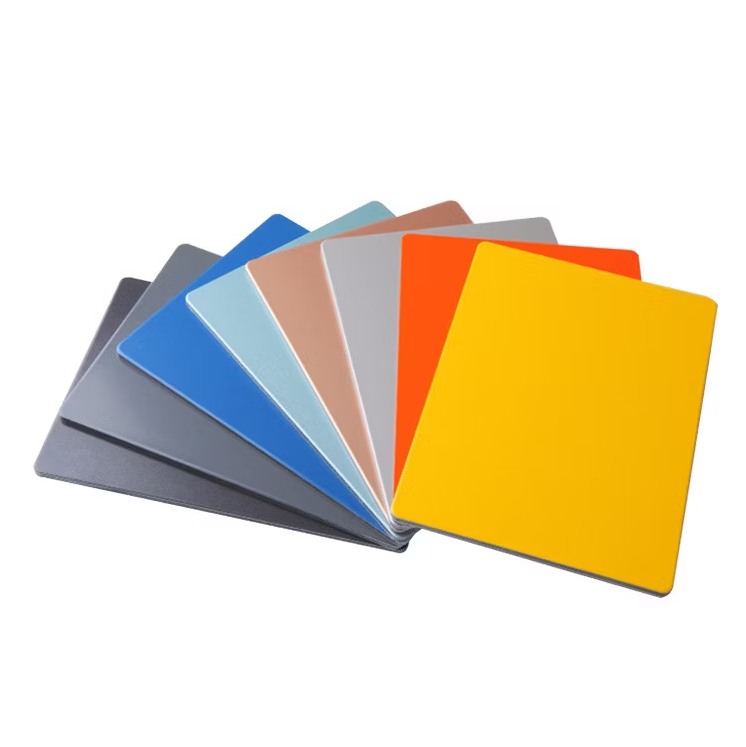
Office cladding in Kenya is most often aluminium composite panel, glazed curtain walling, or profiled steel. ACP dominates because it is light, flat, available in many finishes and quick to fix onto a sub-frame. The core should be specified deliberately, as fire-rated cores are used where building height or occupancy requires them.
Best Cladding Materials for Offices in Kenya (2026 Guide)
Why Office Cladding Matters in Modern Kenyan Architecture
Office buildings in Kenya are increasingly designed with performance-driven facades that go beyond aesthetics. Modern cladding systems improve thermal insulation, protect structural walls, and enhance corporate identity in competitive urban environments like Nairobi, Mombasa, and Kisumu.
This guide explains the best office cladding materials in Kenya, focusing on durability, fire safety, weather resistance, and professional architectural performance.
What are office cladding materials?
Office cladding materials are exterior wall systems installed on commercial buildings to protect structural walls while improving appearance, insulation, and durability.
In Kenya, these materials are widely used in office towers, banks, retail buildings, and institutional headquarters to create modern architectural finishes.
Common office cladding systems include:
- Aluminium Composite Panels (ACP)
- Glass curtain wall systems
- Stone and cement boards
- WPC and composite panels
Why office cladding is important in Kenya
Office cladding improves building performance by reducing heat gain, protecting against weather damage, and enhancing professional branding.
In Kenya’s urban climate, cladding is essential for energy efficiency and long-term maintenance reduction.
Key benefits:
- Reduced cooling costs in hot office environments
- Protection from UV radiation and rain damage
- Improved corporate architectural identity
- Lower long-term repainting and maintenance costs
ACP panels for office buildings
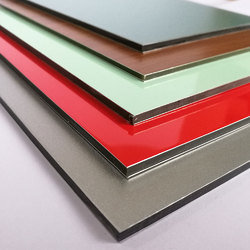
Aluminium Composite Panels (ACP) are the most widely used cladding solution for modern office buildings due to their lightweight structure, durability, and design flexibility.
They are ideal for corporate buildings that require a clean, modern, and professional exterior finish.
View product: Alucobond Sheets in Kenya
ACP Specifications Table
| Parameter | Specification |
|---|---|
| Thickness | 3mm – 6mm |
| Core Type | Polyethylene / mineral |
| Finish | PVDF coating |
| Lifespan | 15–20 years |
| Use | Office facades, branding, cladding |
Explore category: Alucobond Sheets Category
Glass facade systems for offices
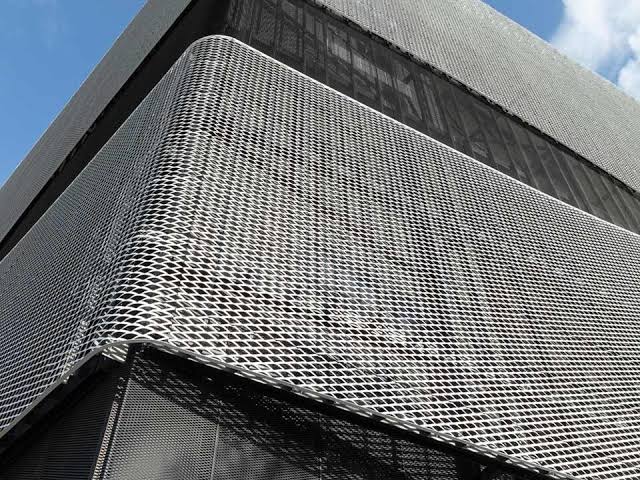
Glass curtain walls are a key feature in modern office architecture, offering transparency, natural lighting, and a premium corporate appearance.
In Kenya, they are often combined with ACP systems for hybrid facade designs.
Common uses:
- Corporate headquarters
- Banks and financial institutions
- Commercial office towers
Related materials:
Steel structures supporting office cladding
Steel frameworks provide the structural backbone for office cladding systems, ensuring stability, wind resistance, and long-term durability.
In Kenya, SHS, RHS, and HR beams are commonly used for facade support structures.
Explore steel materials:
SHS Specifications Table
| Parameter | Specification |
|---|---|
| Size | 25x25mm – 100x100mm |
| Thickness | 1.2mm – 4.5mm |
| Length | 6 meters |
| Use | Structural framing |
WPC and alternative cladding materials
Wood Plastic Composite (WPC) panels are used in office interiors and select exterior applications where a natural aesthetic is required.
They provide a balance between modern design and low maintenance requirements.
Explore: WPC Wall Panels
Climate considerations for office cladding in Kenya
Kenya’s climate significantly affects cladding performance, especially in terms of UV exposure, humidity, and corrosion risk.
Material selection must match environmental conditions for long-term durability.
- Nairobi: UV exposure → UV-coated ACP recommended
- Mombasa: humidity & salt air → corrosion-resistant panels required
- Inland regions: temperature variation → flexible expansion systems needed
KEBS compliance and safety standards
All office cladding materials in Kenya must comply with KEBS standards and the National Building Code 2024 to ensure fire safety, durability, and structural integrity.
Non-compliant materials can lead to premature failure and safety risks in commercial buildings.
Common mistakes in office cladding
Most cladding failures occur due to poor installation practices rather than material defects.
Proper engineering design and installation supervision are critical for performance.
Common mistakes:
- Improper sealing leading to water leakage
- Weak steel framing support
- Using non-UV resistant ACP panels
- Ignoring thermal expansion gaps
FAQ: Office cladding materials in Kenya
What is the best cladding for offices in Kenya?
ACP panels are the most widely used due to durability, aesthetics, and low maintenance.
Are ACP panels good for office buildings?
Yes, they provide long-lasting performance and a modern architectural finish.
What is the role of steel in cladding systems?
Steel provides structural support for facade systems and ensures stability.
Do cladding systems reduce heat in offices?
Yes, they significantly reduce heat gain and improve energy efficiency.
How long does office cladding last?
High-quality systems last 15–25 years depending on material and installation.
Conclusion
Office cladding materials in Kenya play a critical role in modern commercial architecture by improving energy efficiency, durability, and corporate branding. ACP panels, steel frameworks, and glass systems remain the leading choices for professional office facades.
Call to Action
Contact Burhani Hardware Dealers (BHD)
burhanihardwaredealers [at] yahoo.com
Call/WhatsApp: +254 731 217 462 | +254 790 545 205
Visit: BHD, Industrial Area, Funzi Road, Nairobi
Website: https://bhd.co.ke/
Delivery Guarantee:
Same-day delivery within Nairobi.
Next-day delivery countrywide to Nakuru, Kisumu, Mombasa, Eldoret, Thika, Meru, Kitengela, Malindi.
Frequently asked questions

Written & reviewed by
BHD Kenya
Burhani Hardware Dealers (BHD Kenya) is a Nairobi-based supplier of polycarbonate roofing, Alucobond/ACP cladding, Perspex, WPC wall panels and steel products, serving contractors, fabricators and homeowners across Kenya.