
Roof Maintenance Kenya: Polycarbonate Care Guide 2026
Quick answer
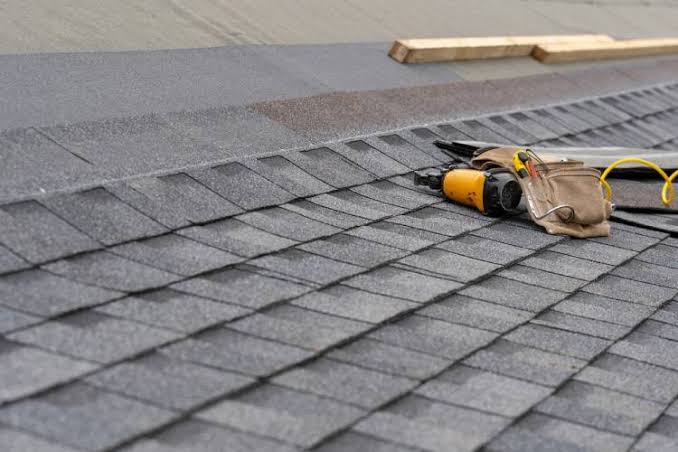
Clean polycarbonate roofing with plenty of clean water and a mild soap solution, using a soft cloth or sponge and rinsing thoroughly. Never use abrasive pads, scourers or strong solvents, because they scratch the surface and can attack the UV layer. Also check fixings, washers and seals, and keep gutters and valleys clear of leaves and debris.
Maintain polycarbonate roofing by cleaning the sheets with clean water and a mild, compatible cleaning solution, inspecting fixings and seals, and keeping gutters and drainage channels clear. Avoid abrasive cleaners, harsh solvents and rough tools because they can scratch or damage the sheet surface.
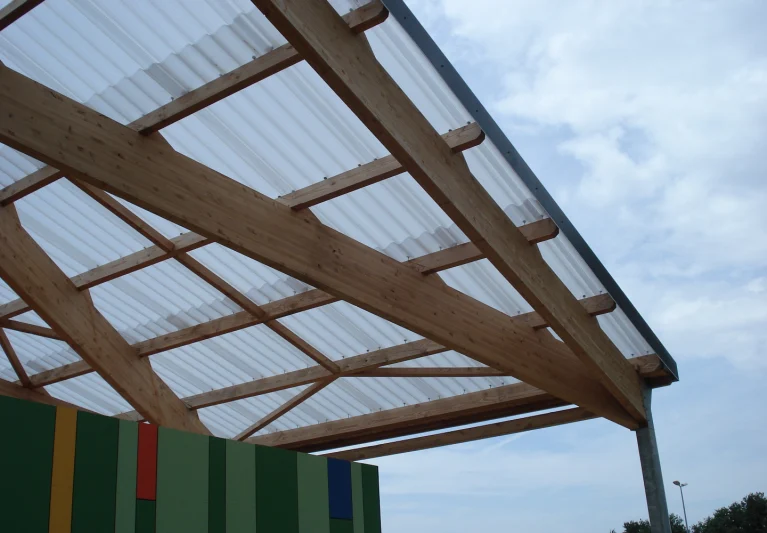
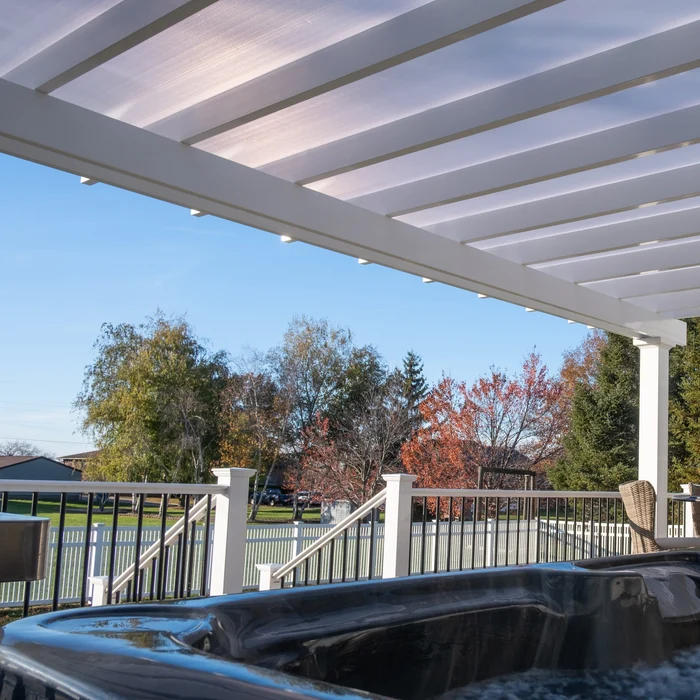
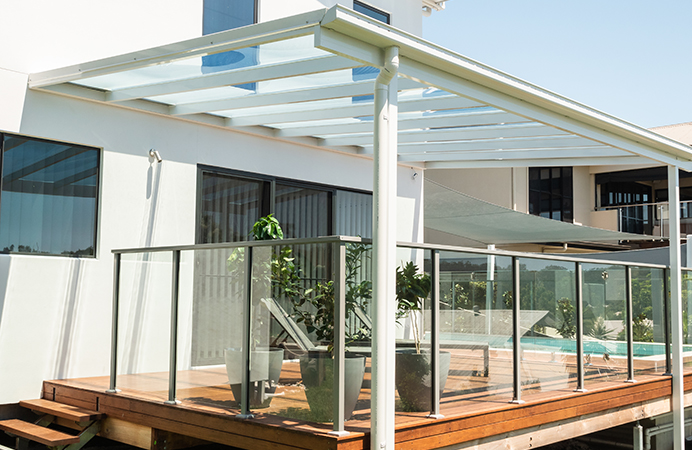
Polycarbonate roofing is used across Kenya for carports, verandas, walkways, skylights, patios, commercial buildings, greenhouses and other structures where natural light and weather protection are required.
However, even a durable roofing material requires proper maintenance.
Dust, leaves, bird droppings, algae, water deposits and pollution can accumulate on the surface. In coastal areas, salt-laden air can also increase contamination and accelerate corrosion of the supporting steel and fixings.
Routine maintenance does not require complicated equipment. What matters most is using the correct cleaning method, checking the roof regularly and addressing small problems before they become expensive repairs.
How Do You Maintain Polycarbonate Roofing?
Polycarbonate roofing should be maintained through regular cleaning, visual inspection, drainage maintenance and checking of fasteners, seals and supporting structures. Proper maintenance helps preserve appearance, light transmission and weather protection while reducing the risk of premature damage.
A practical maintenance routine should include:
- Cleaning surface dirt
- Removing leaves and debris
- Checking fasteners
- Inspecting seals
- Checking overlaps and flashing
- Cleaning gutters
- Inspecting the supporting steel
- Looking for cracks or impact damage
- Checking for blocked hollow-sheet channels
- Inspecting after severe weather
The maintenance frequency depends on the location.
A roof beside trees may require more frequent cleaning than one on an exposed commercial building.
How Often Should Polycarbonate Roofing Be Cleaned?
Polycarbonate roofing should generally be inspected regularly and cleaned when dirt, leaves, bird droppings or other deposits begin affecting appearance, drainage or light transmission. Buildings near trees, busy roads, construction sites or coastal environments may require more frequent cleaning than cleaner locations.
A practical inspection schedule can be:
| Maintenance Activity | Suggested Frequency |
|---|---|
| Visual inspection | Every 3–6 months |
| Gutter inspection | Every 3–6 months |
| General cleaning | As required |
| Fastener inspection | Every 6–12 months |
| Seal inspection | Every 6–12 months |
| Post-storm inspection | After severe weather |
| Coastal corrosion inspection | More frequently where necessary |
These are maintenance guidelines rather than universal manufacturer requirements.
The manufacturer's maintenance instructions should take priority for the specific sheet.
How Do You Clean Polycarbonate Roofing Sheets?
Clean polycarbonate roofing using clean water, a soft cloth or soft sponge and a mild cleaning solution compatible with the sheet. Rinse thoroughly and avoid abrasive brushes, blades and aggressive chemicals that could scratch or chemically damage the surface.
A basic cleaning process is:
Step 1: Remove Loose Debris
Use clean water to remove loose dust and dirt.
Do not immediately scrub dry dirt across the surface because this can create scratches.
Step 2: Apply Mild Cleaning Solution
Use a mild, compatible soap or detergent solution.
The product should be suitable for polycarbonate.
Step 3: Wash With a Soft Material
Use:
- Soft sponge
- Soft cloth
- Non-abrasive cleaning pad
Avoid rough brushes.
Step 4: Rinse Thoroughly
Remove all remaining soap and dirt using clean water.
Step 5: Allow the Roof to Dry
Where possible, allow the surface to dry naturally.
For large commercial roofs, follow appropriate safety procedures rather than allowing workers to walk directly on unsupported sheets.
What Cleaning Products Are Safe for Polycarbonate?
The safest general approach is to use clean water and a mild, manufacturer-compatible detergent rather than strong solvents or abrasive chemicals. Always check the sheet manufacturer's cleaning instructions before using a chemical product.
Avoid using unverified chemicals simply because they remove dirt quickly.
Potentially damaging products can include certain:
- Solvents
- Strong acids
- Strong alkaline cleaners
- Abrasive compounds
- Paint removers
- Harsh degreasers
The chemical compatibility of polycarbonate varies with the product and surface treatment.
When uncertain, test a cleaning product according to the manufacturer's instructions in an inconspicuous area or obtain confirmation before applying it across the roof.
How Do You Remove Dirt and Stains From Polycarbonate?
Stubborn dirt should be softened with water before gentle cleaning rather than scraped aggressively from the sheet. Persistent stains should be treated with a cleaning method approved for the specific polycarbonate product to avoid damaging the surface or UV-protective layer.
Common contaminants include:
- Dust
- Mud
- Bird droppings
- Tree sap
- Leaves
- Pollution
- Water deposits
- Algae
Bird droppings should ideally be removed before they dry for extended periods.
Do not use a knife, razor blade or metal scraper to remove deposits.
Scratches can permanently affect the appearance of the sheet and may reduce the clarity of transparent roofing.
How Do You Maintain Hollow Polycarbonate Sheets?
Hollow polycarbonate sheets require both surface cleaning and channel maintenance because dirt or moisture can enter the internal chambers if the sheet ends and sealing system are not properly maintained. The channels, end caps, tapes and drainage arrangements should be inspected according to the manufacturer's installation requirements.
Hollow sheets contain internal chambers.
Their construction provides useful properties such as:
- Low weight
- Thermal insulation
- Structural stiffness
But the internal channels require proper installation.
Maintenance should include checking:
- End closures
- Breather or sealing tapes where applicable
- Condensation
- Blocked channels
- Dirt ingress
- Algae or biological growth
BHD supplies hollow polycarbonate sheets for suitable roofing applications.
How Do You Maintain Solid Polycarbonate Roofing?
Solid polycarbonate roofing is maintained primarily through surface cleaning, inspection of fasteners and checking for cracks, scratches, seal deterioration and water ingress. Because solid sheets have no internal chambers, maintenance focuses more heavily on the exposed surface and fixing system.
Solid polycarbonate may be used where a continuous, flat sheet is required.
BHD provides solid polycarbonate sheets as part of its polycarbonate range.
During inspection, check for:
- Surface damage
- Cracks
- Loose fasteners
- Damaged washers
- Leaks
- Discolouration
- Edge damage
How Do You Inspect Polycarbonate Roof Fixings?
Inspect roofing fixings for looseness, damaged washers, corrosion, movement and signs of water penetration. Fixings should remain secure without being excessively tightened, because excessive pressure can damage the sheet or restrict normal thermal movement.
A proper inspection should look at:
Fasteners
Check for:
- Loose screws
- Missing screws
- Corrosion
- Damaged heads
Washers
Washers should remain intact and properly seated.
Sheet Holes
Look for:
- Cracking
- Enlarged holes
- Stress around fasteners
Flashing
Check whether flashing remains properly positioned.
Seals
Inspect seals for:
- Deterioration
- Separation
- Cracking
Do not simply tighten every screw you find.
The fixing system should follow the original installation specification.
How Do You Prevent Leaks in Polycarbonate Roofing?
Prevent leaks by keeping drainage clear, maintaining correct sheet overlaps, inspecting flashing and seals, and ensuring fasteners remain correctly installed. Leaks should be investigated at their source rather than simply covered with an incompatible sealant.
Common causes of leaks include:
- Damaged sheets
- Incorrect overlaps
- Failed seals
- Loose fixings
- Blocked gutters
- Poor flashing
- Inadequate roof pitch
- Incorrect installation
If a leak appears around a screw, the problem may not necessarily be the screw itself.
Water can travel along the sheet or supporting structure before appearing at the visible leak point.
A proper inspection should therefore trace the water path.
How Important Are Gutters for Polycarbonate Roof Maintenance?
Gutters are important because they control where rainwater leaves the roof and prevent uncontrolled discharge around walls, foundations and walkways. Blocked gutters can cause overflow, staining and water-related deterioration around the building.
Gutters should be checked for:
- Leaves
- Mud
- Plastic waste
- Bird nests
- Sediment
- Algae
BHD supplies PVC gutters for suitable rainwater management applications.
The gutter system should also have adequate falls and properly positioned outlets.
How Does Kenya's Climate Affect Polycarbonate Roof Maintenance?
Kenyan climate conditions affect polycarbonate roof maintenance through sunlight, rainfall, dust, humidity, wind and regional exposure. Nairobi requires attention to dust and UV exposure, while coastal buildings require additional attention to salt, humidity and corrosion of metal components.
Nairobi
Common maintenance concerns include:
- Dust
- UV exposure
- Heavy seasonal rainfall
- Leaves
- Bird droppings
Roofs near busy roads or construction sites may accumulate dirt quickly.
Central Kenya
Rainfall and vegetation can increase:
- Leaf accumulation
- Algae growth
- Gutter blockage
Regular drainage inspection is useful.
Rift Valley
Exposed buildings may experience significant wind.
After strong winds, inspect:
- Fasteners
- Flashing
- Sheet edges
- Supporting structure
Coastal Kenya
Mombasa and other coastal areas require additional attention to:
- Salt deposits
- Humidity
- Corrosion
- Biological growth
The polycarbonate roof should be cleaned appropriately, while the supporting steel and fasteners should receive regular corrosion inspections.
How Does UV Exposure Affect Polycarbonate Roofing?
UV exposure can affect roofing materials over time, which is why appropriate UV protection is an important product specification for outdoor polycarbonate sheets. Maintenance should preserve the manufacturer's intended surface and avoid cleaning practices that damage protective treatments.
Not all polycarbonate products are identical.
When purchasing sheets, confirm:
- UV protection
- Intended outdoor application
- Manufacturer specifications
- Warranty conditions
Avoid assuming that every transparent plastic sheet provides the same UV performance.
Can You Walk on Polycarbonate Roofing?
Polycarbonate sheets should not be treated as ordinary walking surfaces unless the system has been specifically designed for access. Walking directly on unsupported sheets can cause cracking, deformation or failure.
During maintenance, workers should use appropriate access equipment and safe work procedures.
Depending on the roof design, this may include:
- Access ladders
- Roof walkways
- Crawling boards
- Properly supported platforms
Workers should never assume that a sheet can support body weight simply because it appears thick.
This is particularly important for hollow polycarbonate.
What Causes Polycarbonate Roofing to Deteriorate?
Polycarbonate roofing can deteriorate prematurely because of incorrect installation, excessive UV exposure, chemical incompatibility, physical impact, poor drainage, thermal movement restrictions and improper cleaning. Regular inspection helps identify these problems before they become major failures.
Common causes include:
Incorrect Fastening
Over-tightened screws can place excessive stress around fixing points.
Poor Thermal Allowance
Polycarbonate expands and contracts with temperature.
Abrasive Cleaning
Rough brushes can scratch the surface.
Harsh Chemicals
Incompatible chemicals may damage the material.
Poor Drainage
Standing water and blocked gutters increase maintenance problems.
Physical Impact
Falling objects can crack or puncture sheets.
Corroded Supporting Steel
Failure of the frame can compromise the entire roofing system.
How Do You Maintain Polycarbonate Roofing in Coastal Kenya?
Coastal polycarbonate roofs should be cleaned regularly to remove salt and dirt deposits, while the supporting steel, fasteners and brackets should be inspected for corrosion. More frequent maintenance may be necessary compared with inland installations because salt-laden humidity can accelerate corrosion.
A coastal maintenance programme should pay particular attention to:
- Steel frame coatings
- Screws
- Washers
- Brackets
- Flashing
- Gutters
- Drainage
- Sheet surfaces
The roof itself may remain visually acceptable while the steel frame underneath begins to corrode.
For this reason, maintenance must cover the entire roofing system rather than only the visible sheet.
Polycarbonate Roofing Maintenance Checklist
A practical maintenance checklist should cover the sheets, fixings, drainage system, seals and supporting structure. Regular inspection allows small defects to be corrected before they result in leaks or expensive replacement work.
| Inspection Item | What to Check |
|---|---|
| Sheet surface | Dirt, scratches, cracks |
| UV surface | Damage or deterioration |
| Fasteners | Looseness, corrosion |
| Washers | Cracking or deterioration |
| Seals | Gaps or deterioration |
| Overlaps | Water ingress |
| Flashing | Movement or damage |
| Gutters | Leaves and blockage |
| Downpipes | Blockage |
| Hollow channels | Dirt or moisture |
| Steel frame | Rust and coating damage |
| Roof access | Safe maintenance access |
How Should Polycarbonate Roofing Be Maintained After Heavy Rain or Wind?
Inspect polycarbonate roofing after severe weather for loose fixings, damaged sheets, displaced flashing, blocked drainage and movement in the supporting frame. Early inspection can identify damage before the next rainfall exposes weaknesses through leaks.
After a severe storm, check:
- Sheet edges
- Fixing points
- Flashing
- Gutters
- Downpipes
- Steel supports
- Bracing
- Signs of leakage
For large commercial structures, a qualified professional should inspect significant structural damage.
What Are Common Polycarbonate Cleaning Mistakes?
The most common cleaning mistakes are using abrasive tools, scraping the surface, applying incompatible chemicals, washing excessively dirty sheets without first rinsing them and ignoring the manufacturer's instructions. These practices can create scratches or chemical damage that ordinary cleaning cannot reverse.
Avoid:
- Steel wool
- Razor blades
- Metal scrapers
- Abrasive powders
- Harsh solvents
- Dry scrubbing
- High-pressure cleaning without manufacturer approval
A soft cleaning approach is generally safer.
When Should Polycarbonate Roofing Be Replaced?
Polycarbonate roofing should be considered for replacement when sheets develop significant cracking, persistent leaks, severe surface deterioration, structural damage or other defects that cannot be economically repaired. Replacement timing depends on product quality, installation, UV exposure, weather and maintenance history.
Replacement may be necessary when you observe:
- Large cracks
- Broken sheets
- Severe discolouration
- Persistent leaks
- Failed fixing points
- Major impact damage
- Extensive channel contamination
- Structural support failure
A single damaged sheet does not necessarily mean the entire roof must be replaced.
Where compatible products are available, individual panels may be replaceable.
How Can You Extend the Life of Polycarbonate Roofing?
The best way to extend polycarbonate roof life is to combine correct installation with regular cleaning, safe chemical use, drainage maintenance, fixing inspections and timely repairs. Protecting the sheet surface and supporting structure is more effective than waiting until major damage occurs.
A long-term maintenance strategy should include:
- Use compatible cleaning products.
- Keep gutters clear.
- Inspect fixings.
- Maintain flashing.
- Check the steel frame.
- Repair leaks promptly.
- Avoid walking directly on unsupported sheets.
- Inspect after severe weather.
- Follow manufacturer instructions.
Frequently Asked Questions About Polycarbonate Roofing Maintenance
Routine maintenance keeps polycarbonate roofing clean, watertight and structurally supported while helping identify damage early. Most maintenance involves gentle cleaning, drainage checks, fixing inspections and protection of the supporting structure.
How often should polycarbonate roofing be cleaned?
Clean it whenever dirt and deposits begin affecting appearance, drainage or light transmission. Roofs near trees, roads, construction areas or coastal environments may need more frequent cleaning.
Can I use bleach to clean polycarbonate roofing?
Do not use bleach or other strong chemicals unless the specific polycarbonate manufacturer confirms compatibility. A mild, approved cleaning solution is generally safer.
Can I pressure-wash polycarbonate roofing?
Avoid pressure washing unless the manufacturer specifically permits it and provides suitable pressure and distance requirements. Excessive pressure can damage seals, surfaces and fixings.
Can I use a brush to clean polycarbonate?
Use only a soft, non-abrasive brush or sponge approved for the product. Hard or abrasive brushes can scratch the surface.
How do I remove algae from polycarbonate roofing?
Start with water and a mild, manufacturer-compatible cleaning solution. Do not scrape algae with sharp tools or use aggressive chemicals without confirming compatibility.
Why is my polycarbonate roof leaking?
Leaks can result from damaged sheets, failed seals, loose or incorrectly installed fixings, poor flashing, incorrect overlaps or blocked drainage. The source should be inspected rather than simply applying sealant around the visible leak.
Does polycarbonate roofing need maintenance?
Yes. Routine cleaning and inspection help maintain appearance, drainage, fixings and weather protection and can identify damage early.
Where can I buy replacement polycarbonate sheets in Kenya?
You can browse BHD's polycarbonate sheet range or contact BHD for product availability and specifications.
Final Verdict: Maintaining Polycarbonate Roofing in Kenya
Polycarbonate roofing can provide long-term performance when it is correctly specified, installed and maintained. Regular cleaning, careful inspection, clear drainage and protection of fixings and supporting steel are the main practices that help prevent premature deterioration.
A practical maintenance routine should cover:
- Surface cleaning
- Gutter cleaning
- Drainage inspection
- Fastener inspection
- Seal inspection
- Sheet damage checks
- Hollow-channel checks
- Steel-frame inspection
- Post-storm inspection
- Timely repairs
BHD supplies polycarbonate roofing sheets for different construction and architectural applications, including solid polycarbonate sheets and hollow polycarbonate sheets.
Contact Burhani Hardware Dealers (BHD)
Email: burhanihardwaredealers [at] yahoo.com
Call/WhatsApp: +254 731 217 462 | +254 704 606 131
Visit: BHD, Industrial Area, Funzi Road, Nairobi
Website: https://bhd.co.ke/
Delivery Guarantee:
Same-day delivery within Nairobi.
Next-day delivery countrywide to Nakuru, Kisumu, Mombasa, Eldoret, Thika, Meru, Kitengela and Malindi.
Frequently asked questions

Written & reviewed by
BHD Kenya
Burhani Hardware Dealers (BHD Kenya) is a Nairobi-based supplier of polycarbonate roofing, Alucobond/ACP cladding, Perspex, WPC wall panels and steel products, serving contractors, fabricators and homeowners across Kenya.