

Roofing Guide Kenya: How to Choose Roofing Sheets
Quick answer
Choosing roofing sheets in Kenya comes down to matching material, thickness and profile to the roof pitch, span and local climate, not to price alone. Iron and coated steel sheets suit most houses, while polycarbonate and translucent sheets are used where daylight is needed, such as carports, walkways, verandahs and factory skylights.
Choosing roofing sheets in Kenya requires more than comparing prices. The right sheet should match the building type, roof design, local climate, required durability, installation method and total project budget.
Roofing is one of the most important decisions made during construction because the roof protects the building from rain, sunlight, wind and other environmental exposure.
A roofing sheet that works well for a residential house may not be the best choice for a warehouse, carport, greenhouse, workshop or commercial building.
The correct selection also depends on the supporting structure. Sheet dimensions, thickness, roof pitch, purlin spacing and fixing systems all need to work together.
For contractors and developers, the objective should be to choose a roofing system that provides the required performance without paying for specifications the project does not need.
How Do You Choose the Right Roofing Sheets?
Choose roofing sheets based on the building's location, roof design, weather exposure, required strength, appearance, maintenance needs and total installed cost. Compare the material, thickness, profile, dimensions and manufacturer specifications before purchasing.
Start with these questions:
- What type of building is being roofed?
- Where is the building located?
- How much rain and wind does the area experience?
- What roof pitch has been designed?
- What sheet profile is required?
- What thickness is appropriate?
- What support spacing will be used?
- What appearance does the client want?
- What maintenance will be required?
- What is the complete installed cost?
Answering these questions before buying helps prevent expensive changes later.
What Are the Main Types of Roofing Sheets in Kenya?
Common roofing options in Kenya include coated steel roofing sheets, corrugated and box-profile sheets, tile-profile sheets and transparent polycarbonate sheets. The best option depends on the structural, architectural and environmental requirements of the project.
Roofing materials can broadly be divided into:
- Metallic roofing sheets
- Transparent roofing sheets
- Architectural roofing products
- Special-purpose roofing materials
Steel roofing is widely used for residential, commercial and industrial construction.
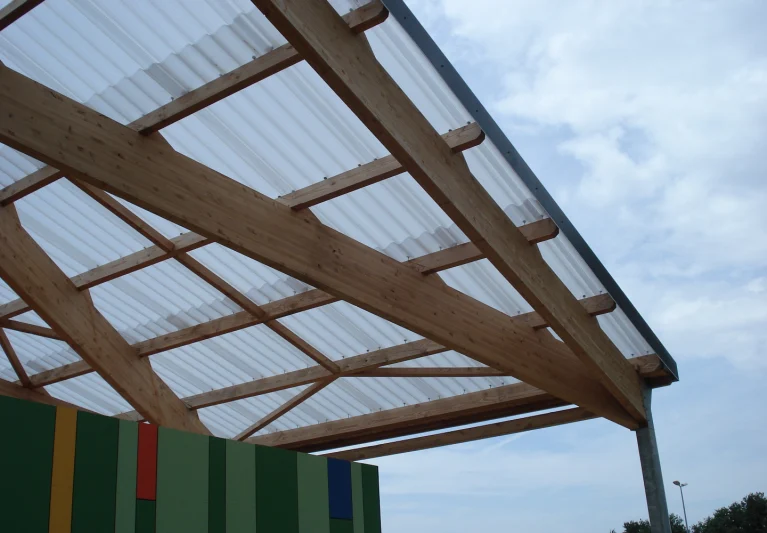
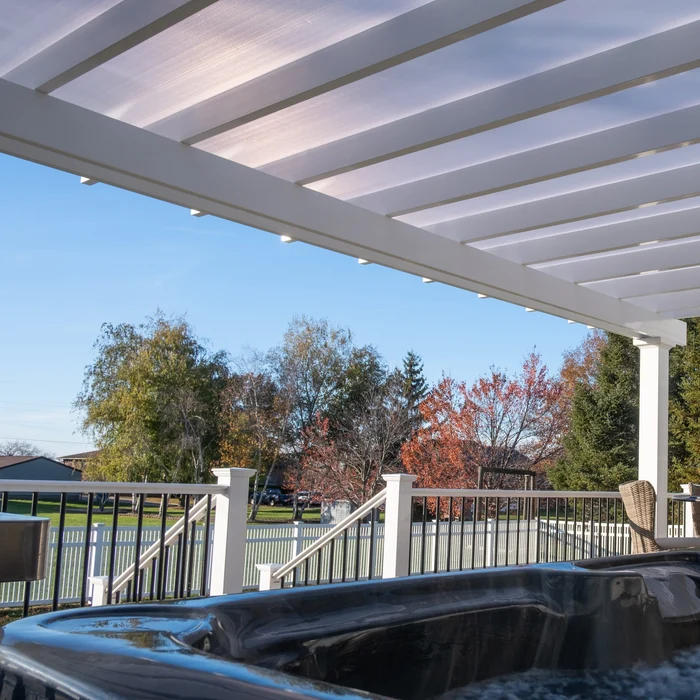
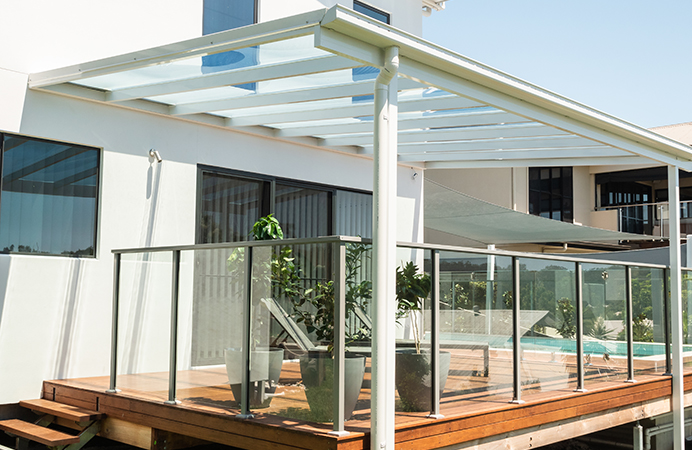
Polycarbonate is particularly useful where daylight transmission is required.
For projects requiring transparent roofing, BHD supplies polycarbonate sheets in different product categories.
What Should You Consider Before Buying Roofing Sheets?
The most important factors are sheet material, thickness, profile, dimensions, roof pitch, climate, support spacing, coating, fixing system and maintenance requirements. These factors should be considered together rather than selecting a sheet based only on its appearance or price.
A useful selection checklist is:
| Parameter | What to Check |
|---|---|
| Material | Steel, polycarbonate or other material |
| Profile | Corrugated, box profile, tile profile, etc. |
| Thickness | Manufacturer specification |
| Length | Required sheet length |
| Width | Overall and effective cover width |
| Coating | Protective coating and finish |
| Colour | Project requirement |
| Roof pitch | Manufacturer recommendation |
| Support | Purlin spacing and structure |
| Fixings | Compatible screws and washers |
| Warranty | Manufacturer/supplier terms |
| Application | Residential, commercial, industrial or architectural |
This information should form part of the roofing material schedule.
How Does Climate Affect Roofing Selection in Kenya?
Kenyan climate varies significantly by region, so roofing should be selected according to local exposure to rain, UV radiation, humidity and wind. Coastal projects require particular attention to corrosion, while exposed areas require secure fixing and adequate structural support.
Nairobi and Central Kenya
Roofing is exposed to:
- Strong sunlight
- UV radiation
- Dust
- Seasonal rainfall
- Temperature variation
A suitable roofing system should therefore combine weather resistance with proper drainage and secure fixing.
Mombasa and Coastal Kenya
Coastal conditions create additional challenges.
Humidity and salt-laden air can accelerate corrosion of exposed metal components.
For coastal projects, consider:
- Protective coatings
- Corrosion-resistant fixings
- Proper drainage
- Regular inspection
- Correct installation
The sheet itself is only one part of the system.
Rift Valley
Some exposed Rift Valley locations can experience stronger winds.
Roofing design should therefore account for:
- Wind loading
- Roof geometry
- Fixing spacing
- Purlin arrangement
- Edge and corner zones
Structural requirements should be determined by the appropriate design professional.
Western Kenya
Areas receiving substantial seasonal rainfall require careful attention to:
- Roof pitch
- Sheet overlap
- Gutters
- Flashings
- Downpipes
- Drainage capacity
What Roofing Sheet Thickness Should You Choose?
Roofing sheet thickness should be selected according to the application, structural design, span and manufacturer's specifications rather than choosing the thickest or cheapest sheet automatically. Thickness affects weight, strength, handling and cost.
For a roofing project, confirm:
- Nominal thickness
- Effective cover width
- Support spacing
- Recommended fixing method
- Roof pitch
- Intended application
A thicker sheet may increase material cost, while an unsuitable thin sheet may not meet the requirements of the application.
For structural steel supporting a roof, BHD also supplies steel products in Kenya.
Why Does Roofing Sheet Profile Matter?
The profile affects the sheet's geometry, appearance, drainage characteristics and structural behaviour. Corrugated, box-profile and tile-profile sheets can therefore produce different results even when used on similar buildings.
Common profiles include:
Corrugated profiles
These have repeated curved ribs and are widely used for various roofing applications.
Box profiles
These use more angular rib geometry and can provide a contemporary appearance.
Tile profiles
These are designed to create the visual effect of conventional tiled roofing while using sheet material.
The choice should consider both appearance and technical requirements.
How Important Is Roof Pitch?
Roof pitch determines how quickly rainwater drains from the roof and influences the suitable roofing material and installation method. The required pitch should follow the roofing manufacturer's specifications and the design requirements for the building.
A low-pitched roof can require greater attention to:
- Water drainage
- Sheet laps
- Flashings
- Sealants
- Gutter design
A roof with a steeper pitch can improve water runoff but may introduce additional considerations for installation and wind exposure.
Never assume that one pitch is suitable for every roofing product.
How Do You Calculate the Number of Roofing Sheets Required?
The number of roofing sheets depends on the roof dimensions and the effective cover width and length of the selected sheet. Calculations should account for overlaps, roof geometry, valleys, ridges, cuts and unavoidable wastage.
A simplified calculation is:
Number of sheets = Roof width ÷ effective sheet cover width
For example, if a roof slope requires coverage across a width of 10 metres and a sheet provides an effective cover width of 1 metre:
10 ÷ 1 = 10 sheets
This is only a simplified example.
Actual roof calculations should account for the roof plan, overlaps and design details.
For complex roofs, a material take-off should be prepared before ordering.
What Is Effective Cover Width?
Effective cover width is the portion of a roofing sheet that remains available for covering the roof after side laps are taken into account. It is different from the sheet's overall physical width.
This distinction matters when calculating quantities.
For example, a sheet may have an overall width greater than its effective coverage because part of the sheet overlaps the adjacent sheet.
Always use the manufacturer's effective cover width for quantity calculations.
Why Are Roofing Sheet Overlaps Important?
Overlaps prevent water from entering through the joints between roofing sheets and must be installed according to the roofing system's requirements. Incorrect side or end laps can increase the risk of leakage, especially on roofs exposed to heavy rainfall.
Overlap requirements depend on:
- Sheet profile
- Roof pitch
- Weather exposure
- Sheet length
- Manufacturer instructions
Avoid estimating overlaps based solely on another roofing product.
Which Roofing Fixings Should You Use?
Roofing fixings should be compatible with the sheet material, supporting structure and environmental conditions. Correct screws, washers, spacing and installation torque help reduce leakage, movement and premature damage.
Fixings can include:
- Roofing screws
- Washers
- Nuts and bolts
- Brackets
- Flashing fasteners
In coastal areas, corrosion resistance of the fixing system deserves particular attention.
A good roofing sheet can still perform poorly if it is installed with unsuitable fasteners.
What Are Purlins and Why Do They Matter?
Purlins are horizontal structural members that support roofing sheets and transfer roof loads to the main structural frame. Their size and spacing must be appropriate for the roof design, expected loads and selected roofing material.
BHD supplies Zed purlins for suitable structural applications.
Purlin design can influence:
- Sheet support
- Deflection
- Fixing positions
- Material quantities
- Roof stability
Purlin spacing should not simply be increased to reduce steel costs without checking the structural design.
Should You Choose Metal or Polycarbonate Roofing?
Metal roofing is generally suited to applications requiring a conventional weatherproof roof, while polycarbonate is particularly useful where natural daylight transmission is required. The correct choice depends on the building's purpose and the required combination of strength, light transmission and appearance.
Metal roofing
Suitable for:
- Houses
- Shops
- Warehouses
- Workshops
- Industrial buildings
Polycarbonate roofing
Suitable for applications such as:
- Skylights
- Canopies
- Carports
- Walkways
- Greenhouses
- Architectural daylighting
BHD provides solid polycarbonate sheets and hollow polycarbonate sheets for different applications.
What Is the Difference Between Solid and Hollow Polycarbonate Roofing?
Solid polycarbonate is a dense sheet with a solid cross-section, while hollow polycarbonate contains internal channels. The choice depends on the required impact performance, weight, thermal characteristics, appearance and application.
| Feature | Solid Polycarbonate | Hollow Polycarbonate |
|---|---|---|
| Construction | Solid sheet | Multiwall/chambered |
| Weight | Generally higher | Generally lower |
| Appearance | Clear/solid appearance | Channelled appearance |
| Typical use | Glazing, screens, selected roofing | Roofing, daylighting |
| Thermal behaviour | Product-dependent | Internal chambers can improve insulation |
| Application | Depends on specification | Depends on specification |
Neither product should automatically be described as better.
The correct choice depends on the project.
How Does UV Protection Affect Roofing?
UV protection helps roofing materials withstand prolonged exposure to ultraviolet radiation and can influence long-term appearance and performance. For transparent roofing, the UV specification should be checked rather than assuming that every clear sheet provides the same protection.
This is especially relevant in Kenya because roofing is exposed to strong sunlight throughout much of the year.
When buying transparent roofing, ask about:
- UV protection
- Warranty
- Light transmission
- Thickness
- Installation requirements
What Roofing Accessories Do You Need?
A roofing system requires more than sheets alone. Accessories such as ridges, valleys, flashings, gutters, downpipes, fasteners and sealants help complete the weatherproofing and drainage system.
Depending on the roof design, you may need:
- Ridge caps
- Valley gutters
- Barge flashings
- Apron flashings
- Fascia
- Gutters
- Downpipes
- Roofing screws
- Washers
- Sealants
For rainwater management, BHD supplies PVC gutters for suitable applications.
How Much Do Roofing Sheets Cost in Kenya?
Roofing sheet prices in Kenya vary according to material, thickness, profile, dimensions, coating, quantity, supplier and market conditions. The total roofing cost should also include accessories, supporting steel, transport, labour and installation.
A useful budgeting formula is:
Total roofing cost = Sheets + accessories + supporting structure + transport + labour + installation
For an accurate quotation, provide:
- Building dimensions
- Roof design
- Sheet type
- Profile
- Thickness
- Colour
- Quantity
- Delivery location
Comparing two quotations is only useful if both suppliers are quoting equivalent specifications.
How Do You Compare Roofing Quotations?
Compare roofing quotations using the same sheet specification, quantity, accessories, delivery terms and installation requirements. The lowest sheet price is not necessarily the lowest total project cost.
Use a comparison table:
| Item | Supplier A | Supplier B |
|---|---|---|
| Sheet type | ||
| Profile | ||
| Thickness | ||
| Effective cover width | ||
| Quantity | ||
| Sheet cost | ||
| Accessories | ||
| Transport | ||
| Installation | ||
| Total | ||
| Delivery period |
This approach prevents apparently cheap quotations from hiding missing components.
How Can You Make Roofing Sheets Last Longer?
Roofing longevity depends on correct material selection, proper installation, suitable fixings, adequate drainage and regular maintenance. Even a good roofing sheet can deteriorate prematurely if water is trapped, fixings are incorrect or the roof is poorly supported.
Practical maintenance includes:
- Keep gutters clear.
- Remove accumulated debris.
- Check loose fasteners.
- Inspect flashing.
- Look for corrosion.
- Check damaged sheets.
- Avoid unnecessary walking on roofing.
- Repair leaks promptly.
Coastal buildings may require more frequent inspection of metal components because of humidity and salt exposure.
What Regulations Should You Consider When Choosing Roofing Materials?
Roofing materials and structural systems should comply with applicable Kenyan standards and building requirements. Compliance helps ensure that materials and construction practices meet recognised safety and performance requirements rather than relying only on appearance or price.
Relevant considerations can include:
- Applicable KEBS standards
- National Building Code 2024
- Structural design requirements
- Manufacturer installation instructions
- Fire and safety requirements where applicable
For a specific project, the architect or structural engineer should confirm the applicable standards and design requirements.
Do not assume that a product is compliant simply because it is sold in the market.
What Is the Best Roofing Material for a House in Kenya?
The best roofing material for a Kenyan house depends on the roof design, location, budget, appearance and expected performance. Coated metal roofing is common for conventional residential roofs, while polycarbonate can be useful for selected daylighting areas such as verandas, patios and skylights.
Consider:
- Rainfall
- UV exposure
- Roof pitch
- Desired appearance
- Maintenance
- Budget
- Noise considerations
- Insulation requirements
The supporting roof structure should also be designed for the selected roofing system.
What Is the Best Roofing for Coastal Kenya?
Roofing in coastal Kenya should be selected with humidity, rainfall and salt exposure in mind. Corrosion-resistant coatings, suitable fasteners, proper drainage and regular inspection are particularly important for buildings in Mombasa and other coastal locations.
For coastal construction, pay particular attention to:
- Corrosion protection
- Fastener quality
- Metal subframes
- Drainage
- Flashings
- Maintenance
A material that performs well inland may require different protection in a marine environment.
What Is the Best Roofing for Commercial Buildings?
Commercial roofing should be selected according to building size, roof span, maintenance requirements, drainage, structural loading and operational needs. Industrial and commercial buildings often require greater attention to roof access, ventilation, daylighting and long-term maintenance than small residential structures.
Common considerations include:
- Large roof spans
- Purlin spacing
- Drainage capacity
- Skylights
- Maintenance access
- Ventilation
- Fire considerations
- Wind exposure
For transparent daylighting, polycarbonate can be incorporated into suitable roofing designs without making the entire roof transparent.
How Do You Avoid Common Roofing Mistakes?
Most roofing problems can be reduced through accurate measurements, correct material selection, proper support spacing, compatible fixings and adherence to manufacturer installation instructions. Purchasing materials before confirming the roof design is one of the easiest ways to create unnecessary waste or delays.
Avoid these mistakes:
- Buying based only on price
- Ignoring effective cover width
- Using the wrong sheet thickness
- Incorrect roof pitch
- Insufficient support
- Poor-quality fixings
- Incorrect overlaps
- Inadequate drainage
- Ignoring local climate
- Failing to account for accessories
Roofing Sheet Selection Checklist
Before purchasing roofing sheets, confirm the roof dimensions, sheet profile, material, thickness, effective coverage, support spacing, fixing system, accessories and delivery requirements. This checklist helps contractors order materials that match the actual roof design.
Before placing the order:
- Confirm roof measurements
- Confirm roof pitch
- Select roofing material
- Confirm sheet profile
- Confirm thickness
- Calculate effective coverage
- Calculate quantity
- Allow for cutting and wastage
- Confirm purlin spacing
- Select appropriate fixings
- Calculate gutters and drainage
- Confirm accessories
- Compare quotations
- Confirm delivery location
- Confirm installation requirements
Specifications Table for Roofing Sheet Selection
A complete roofing specification should identify the sheet material, profile, dimensions, thickness, coverage, supporting structure and installation requirements. These details give contractors a consistent basis for comparing products and supplier quotations.
| Parameter | Specification to Confirm |
|---|---|
| Roofing material | Steel/polycarbonate/other |
| Profile | Corrugated/box/tile/other |
| Thickness | Manufacturer specification |
| Sheet length | Required length |
| Overall width | Physical sheet width |
| Effective width | Actual roof coverage |
| Coating | Protective finish |
| Colour | Project requirement |
| Roof pitch | Design/manufacturer requirement |
| Support spacing | Structural design |
| Fixings | Compatible screws/washers |
| Accessories | Ridges, flashings, gutters |
| Application | Residential/commercial/industrial |
| Delivery | Site location and timeframe |
Frequently Asked Questions About Roofing Sheets in Kenya
Selecting roofing sheets requires consideration of material, thickness, profile, climate, roof design and total installed cost. The right product is the one that satisfies the project's technical and environmental requirements rather than simply having the lowest purchase price.
How do I choose roofing sheets in Kenya?
Consider the building type, location, roof pitch, climate, sheet material, thickness, profile, support spacing, durability and total installed cost.
Which roofing sheets are best in Kenya?
There is no single best roofing sheet for every project. The appropriate option depends on the building, climate, structural design, appearance and budget.
What thickness of roofing sheet is best?
The correct thickness depends on the roofing application, support arrangement and manufacturer's specification. Do not select thickness based solely on price.
What roofing is best for hot weather?
Roofing selection for hot conditions should consider solar exposure, colour, ventilation, insulation and the material's thermal characteristics.
Which roofing sheets are suitable for coastal Kenya?
Roofing for coastal areas should have suitable corrosion protection and be installed with appropriate corrosion-resistant fixings and supporting components.
How much do roofing sheets cost in Kenya?
Prices vary according to material, profile, thickness, size, quantity, coating, supplier and delivery location. Request a quotation using the exact required specification.
How do I calculate the number of roofing sheets?
Divide the roof dimension by the sheet's effective cover width and account for overlaps, roof geometry, cuts and wastage. Complex roofs should be measured from the actual roof plan.
What should I check before buying roofing sheets?
Check the material, thickness, profile, effective coverage, roof pitch requirements, support spacing, fixings, accessories, warranty and delivery terms.
Conclusion
Choosing roofing sheets in Kenya should be treated as a technical and budgeting decision rather than simply a search for the cheapest sheet. The correct material, profile, thickness, support system, fixing method and drainage arrangement should work together to provide the required performance.
For residential, commercial and architectural projects, begin with the roof design and environmental conditions before selecting the material.
For transparent roofing, explore BHD's polycarbonate sheet range. For structural support, view BHD's steel products.
For current product availability, specifications and quotations, contact Burhani Hardware Dealers.
Contact Burhani Hardware Dealers (BHD)
Email: burhanihardwaredealers [at] yahoo.com
Call/WhatsApp: +254 731 217 462 | +254 704 606 131
Visit: BHD, Industrial Area, Funzi Road, Nairobi
Website: https://bhd.co.ke/
Delivery Guarantee:
Same-day delivery within Nairobi.
Next-day delivery countrywide to Nakuru, Kisumu, Mombasa, Eldoret, Thika, Meru, Kitengela and Malindi.
Frequently asked questions

Written & reviewed by
BHD Kenya
Burhani Hardware Dealers (BHD Kenya) is a Nairobi-based supplier of polycarbonate roofing, Alucobond/ACP cladding, Perspex, WPC wall panels and steel products, serving contractors, fabricators and homeowners across Kenya.