Solid vs Hollow Polycarbonate Sheets Explained | Kenya Roofing Guide 2026
Quick answer
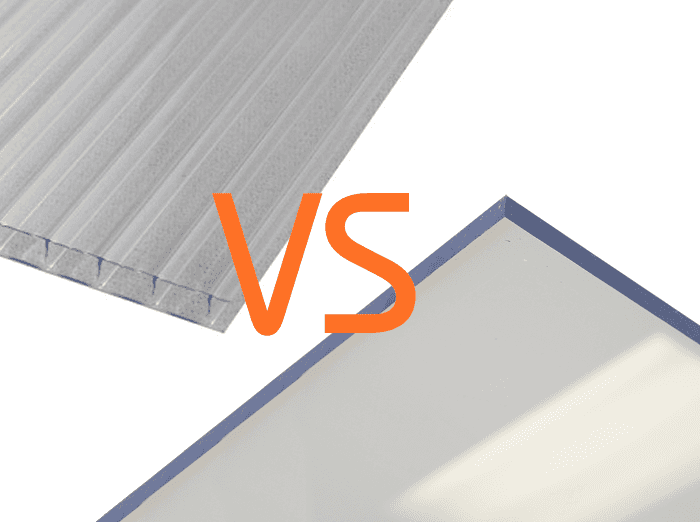
Hollow polycarbonate, also called twinwall or multiwall, has air channels between two skins, so it is lighter, insulates better and is the usual choice for carports, walkways and shade roofs. Solid polycarbonate is a single dense sheet with near-glass clarity and higher impact strength, used for skylights, canopies and security glazing. Both carry UV protection on the exposed face.
Choosing between solid and hollow polycarbonate sheets is a key decision in modern roofing projects across Kenya. The choice directly affects durability, light transmission, insulation performance, cost, and long-term maintenance.
This guide breaks down the differences between solid and hollow polycarbonate sheets so contractors, architects, and homeowners can select the right option for their specific application.
What are solid and hollow polycarbonate sheets?
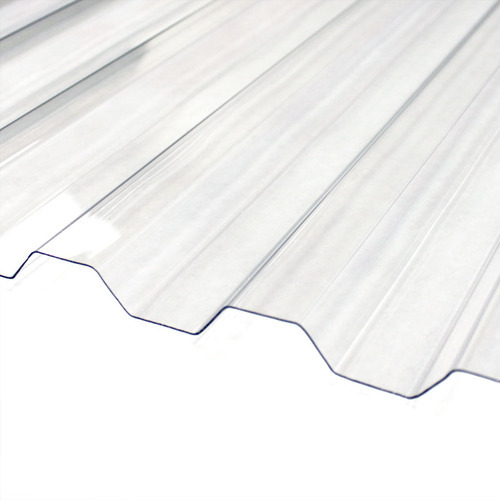
Solid and hollow polycarbonate sheets are transparent roofing materials made from thermoplastic polymer, designed for impact resistance and natural light transmission, but they differ in structure and performance.
Solid sheets are single-layer dense panels, while hollow sheets are multi-wall structures with internal air gaps that improve insulation and reduce weight.
What is the difference between solid and hollow polycarbonate sheets?
Solid polycarbonate sheets are dense, highly impact-resistant panels, while hollow polycarbonate sheets are lightweight, insulated multi-wall panels designed for energy efficiency and cost savings.
The main difference lies in:
- Structural composition
- Strength and impact resistance
- Thermal insulation performance
- Weight and installation requirements
- Cost per square meter
Solid polycarbonate sheets: performance and uses
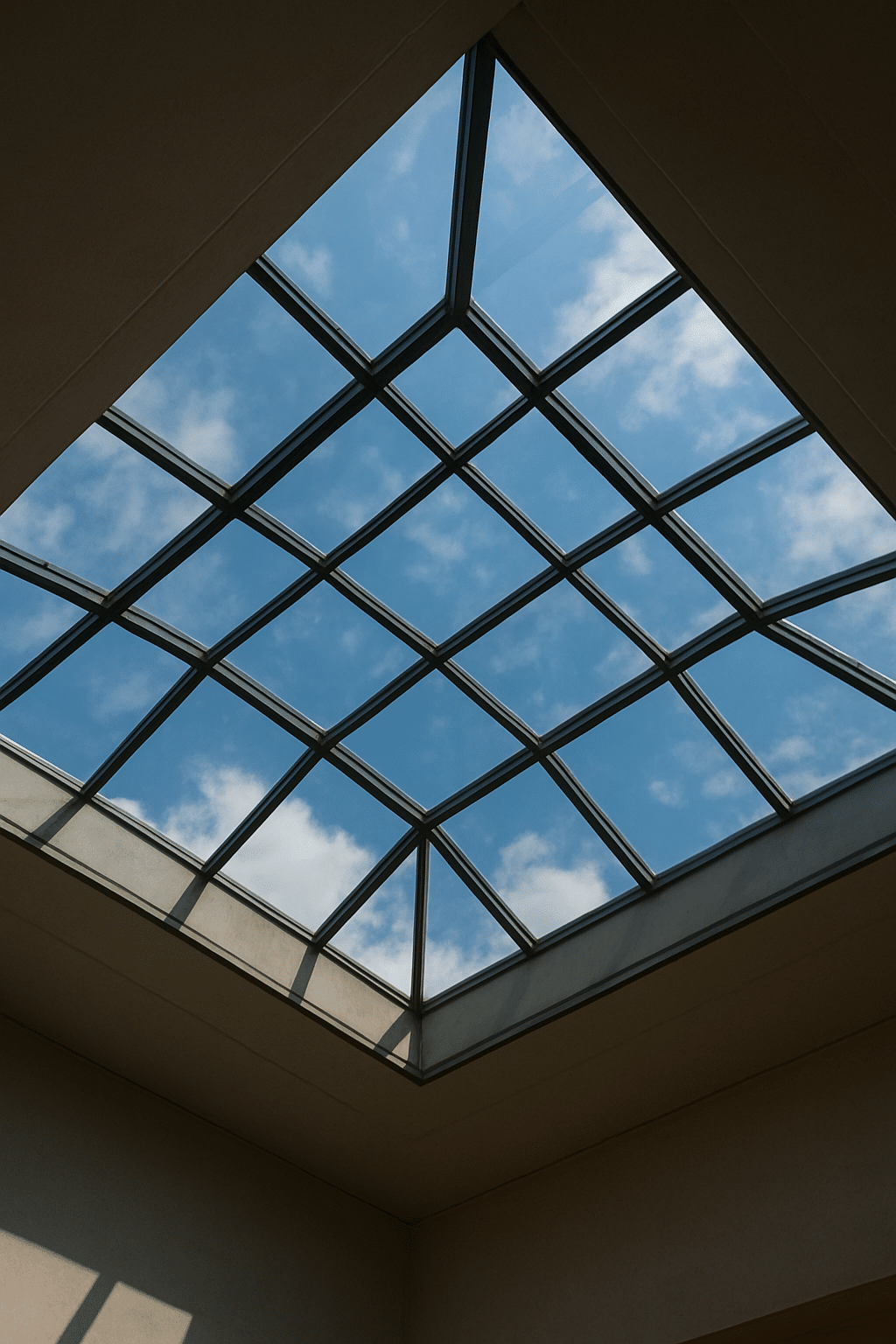
Solid polycarbonate sheets are single-layer, high-strength panels designed for applications that require maximum impact resistance and optical clarity.
Key characteristics:
- Extremely high impact resistance (stronger than glass)
- Excellent transparency and clarity
- High durability under harsh weather conditions
- More rigid and structurally strong
Common applications:
- Security glazing
- Skylights in high-risk areas
- Commercial roofing systems
- Protective covers and barriers
Hollow polycarbonate sheets: performance and uses
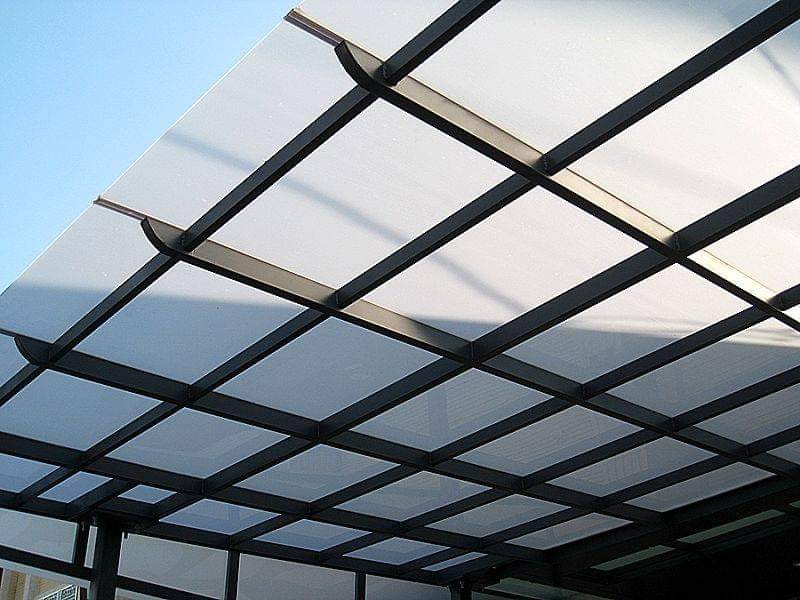
Hollow polycarbonate sheets are multi-wall structured panels that contain air gaps, improving insulation and reducing weight while maintaining good strength and light transmission.
Key characteristics:
- Lightweight and easy to install
- Better thermal insulation due to air chambers
- Cost-effective compared to solid sheets
- Good light diffusion (less glare)
Common applications:
- Carports and pergolas
- Greenhouses and garden structures
- Residential skylights
- Walkway covers
egyptian-hollow-polycarbonate-sheets
Solid vs Hollow Polycarbonate Comparison Table
| Feature | Solid Polycarbonate | Hollow Polycarbonate |
|---|---|---|
| Strength | Very high | Moderate to high |
| Weight | Heavier | Lightweight |
| Light clarity | Very clear | Diffused light |
| Thermal insulation | Moderate | High |
| Cost | Higher | More affordable |
| Best use | Security & heavy-duty roofing | Residential & shading systems |
Which is better for Kenyan climate conditions?
Kenya’s diverse climate influences which type of polycarbonate sheet performs better in different regions.
- Nairobi: both types work well depending on design needs
- Mombasa: hollow sheets preferred for heat insulation and airflow
- Rift Valley: solid sheets preferred for wind resistance and durability
Proper selection ensures longer lifespan and better performance under local conditions.
Durability and lifespan comparison
Both sheet types are durable, but their lifespan depends on exposure, installation quality, and UV protection.
- Solid sheets: longer lifespan in high-impact environments
- Hollow sheets: excellent lifespan in shaded or controlled environments
Both typically last 10–15 years when properly installed and UV-protected.
Cost comparison: solid vs hollow sheets
Solid polycarbonate sheets are more expensive due to their density and strength, while hollow sheets are more budget-friendly and efficient for large surface coverage.
Cost considerations:
- Solid sheets: higher material cost, lower risk of damage
- Hollow sheets: lower cost, better energy efficiency
Installation considerations
Proper installation is critical for both sheet types to ensure durability and performance.
Key requirements include:
- Steel framing for structural support
- Proper sealing against water ingress
- Allowance for thermal expansion
- UV-coated side facing outward
Common mistakes when choosing polycarbonate sheets
Incorrect selection often leads to reduced performance and premature failure.
Common mistakes include:
- Using hollow sheets in high-impact security areas
- Installing without UV protection orientation
- Ignoring thermal expansion gaps
- Choosing based on price only
FAQ: Solid vs Hollow Polycarbonate Sheets
Which is stronger, solid or hollow polycarbonate?
Solid polycarbonate sheets are stronger and more impact-resistant than hollow sheets.
Which is better for roofing in Kenya?
It depends on use: hollow for insulation and shading, solid for strength and clarity.
Do hollow sheets last long?
Yes, they last 10–15 years when properly installed and UV-protected.
Are solid sheets more expensive?
Yes, they are generally more expensive due to higher material density.
Can both be used in homes?
Yes, both are widely used in residential roofing depending on design needs.
Conclusion
Solid and hollow polycarbonate sheets each serve different roles in modern Kenyan construction. Solid sheets offer superior strength and clarity, while hollow sheets provide better insulation and cost efficiency. The right choice depends on structural needs, climate conditions, and budget considerations.
Call to Action
Contact Burhani Hardware Dealers (BHD)
burhanihardwaredealers [at] yahoo.com
Call/WhatsApp: +254 731 217 462 | +254 790 545 205
Visit: BHD, Industrial Area, Funzi Road, Nairobi
Website: https://bhd.co.ke/
Delivery Guarantee:
Same-day delivery within Nairobi.
Next-day delivery countrywide to Nakuru, Kisumu, Mombasa, Eldoret, Thika, Meru, Kitengela, Malindi.
Frequently asked questions

Written & reviewed by
BHD Kenya
Burhani Hardware Dealers (BHD Kenya) is a Nairobi-based supplier of polycarbonate roofing, Alucobond/ACP cladding, Perspex, WPC wall panels and steel products, serving contractors, fabricators and homeowners across Kenya.