

Steel Products Kenya: Complete Guide for Builders & Contractors
Quick answer
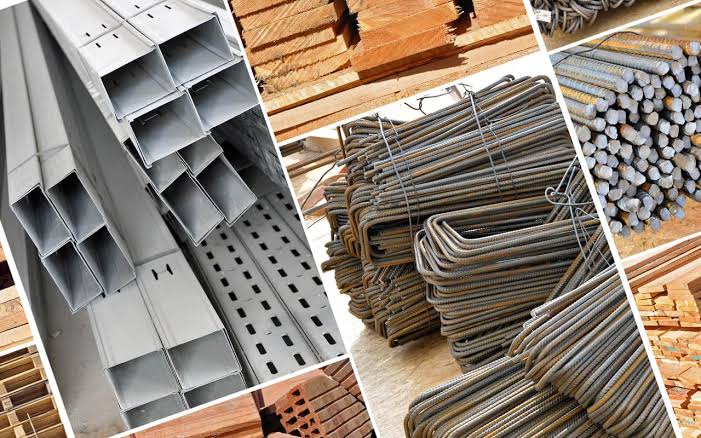
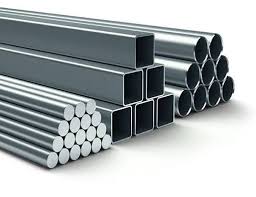
The steel products used most on Kenyan construction sites are structural sections (H and I beams, channels, angles, tees and flat bars), hollow sections (RHS, SHS and CHS), reinforcement bars such as TMT, and flat products including MS plate and chequered plate. Beams carry spans, hollow sections frame lighter structures, and reinforcement bars work inside concrete.
Steel remains the backbone of modern construction in Nairobi and across the country. From high-rise buildings in urban centers to expansive industrial warehouses in coastal and inland regions, steel products play a vital role in ensuring structural integrity, safety, and long-term durability. Builders, engineers, and contractors rely on high-quality steel materials for beams, reinforcement bars, pipes, and other structural components that must comply with Kenya Bureau of Standards KS 02-17 standards as well as the National Building Code 2024. These standards ensure that construction projects meet strict safety and performance benchmarks required in Kenya’s rapidly developing infrastructure sector.
Companies such as BHD Kenya supply a comprehensive range of steel products designed for residential, commercial, and industrial applications. Their focus on durability, compliance, and efficient delivery timelines makes them a key partner for contractors working on both small-scale and large-scale developments.
1. Steel Beams
Steel beams are among the most critical components in any construction project. They serve as primary load-bearing elements, supporting floors, roofs, and walls while distributing weight evenly throughout a structure. Without properly designed and installed beams, buildings would be at risk of structural failure, especially under heavy loads or environmental stress.
In Kenya, commonly used beam types include hot-rolled (HR) beams and mild steel (MS) tee beams. HR beams are known for their exceptional strength and are widely used in commercial buildings, bridges, and large infrastructure projects. Their ability to withstand heavy loads makes them ideal for high-rise developments and industrial structures. On the other hand, MS tee beams are lighter and more versatile, making them suitable for smaller structural applications where flexibility and cost-efficiency are important.
Steel beams are extensively used in multi-storey buildings in Nairobi, industrial warehouses in Eldoret, and commercial complexes in Kisumu. In high-rise construction, precise calculations for load distribution are essential to ensure safety and compliance with national regulations. Engineers must carefully select the appropriate beam size, shape, and material grade to meet project-specific requirements and environmental conditions such as wind loads or seismic considerations.
2. Steel Bars
Steel bars, commonly referred to as reinforcement bars or TMT (Thermo-Mechanically Treated) bars, are essential for strengthening concrete structures. While concrete is strong in compression, it is relatively weak in tension. Steel bars compensate for this weakness by providing the tensile strength needed to prevent cracking and structural failure.
In Kenya, several types of steel bars are used depending on the nature and scale of the project. Mild steel bars are typically used for small-scale or low-load applications due to their flexibility and ease of handling. TMT bars, however, are preferred for high-load and critical structural applications because of their superior strength, corrosion resistance, and durability.
Steel bars are widely used in reinforcing foundations, slabs, columns, and beams. They also play a crucial role in supporting retaining walls and ensuring stability in structures built on uneven or sloped terrain. In high-rise residential and commercial projects, the quality and grade of steel bars directly impact the building’s safety and lifespan.
Suppliers like BHD Kenya provide steel bars that meet KEBS standards, ensuring reliability and compliance with national regulations. Proper selection of bar diameter, spacing, and grade is critical to meet the requirements of the National Building Code 2024. Engineers and contractors must also consider factors such as load requirements, environmental exposure, and design specifications when choosing reinforcement materials.
Overall, the use of high-quality steel products in construction not only enhances safety but also contributes to the sustainability and longevity of infrastructure projects across Kenya. As the country continues to urbanize and expand, the demand for reliable steel solutions will remain central to its development.
Frequently asked questions

Written & reviewed by
BHD Kenya
Burhani Hardware Dealers (BHD Kenya) is a Nairobi-based supplier of polycarbonate roofing, Alucobond/ACP cladding, Perspex, WPC wall panels and steel products, serving contractors, fabricators and homeowners across Kenya.