

Structural Steel vs Timber Kenya: 2026 Framework Comparison | BHD

Quick answer
Structural steel and timber frames differ mainly in durability and speed. Steel does not rot, warp or feed termites, spans further with fewer supports, and arrives pre-cut for fast erection, which suits commercial and multi-storey work. Timber is easier to cut and fix with general site labour and suits smaller roofs, but it needs treatment against termites and moisture.
Structural Steel vs. Timber: Why Kenyan Developers are Shifting to Steel Frameworks in 2026
In 2026, Kenyan developers and contractors are increasingly opting for structural steel frameworks over traditional timber construction. This shift is driven by durability, fire resistance, termite-proofing, faster construction timelines, and compliance with updated building codes. With urban growth in Nairobi, Mombasa, and other major cities, long-lasting, low-maintenance frameworks are critical for commercial buildings, residential complexes, and industrial sheds.
This guide provides a comprehensive analysis of structural steel vs. timber, including technical comparisons, cost considerations, environmental factors, and installation best practices, tailored specifically to Kenya’s climate and construction landscape.
What Is Structural Steel and Why It’s Gaining Popularity in Kenya
Direct Answer:
Structural steel is high-strength, KEBS-certified steel used to create the framework of buildings, offering durability, fire resistance, and design flexibility. Its popularity in Kenya is growing due to increased urbanization and stricter compliance with National Building Code 2024 and KEBS 2025 Standards Levy.
Key Advantages:
-
Consistent material quality verified by KEBS.
-
Can span longer distances without intermediate supports compared to timber.
-
Resistant to termites, rot, and fungal decay.
-
Faster assembly using prefabricated sections like MS steel flats, Zed purlins, and hollow sections.
BHD supplies a full range of structural steel solutions for Kenyan developers:
MS Steel
Zed Purlins
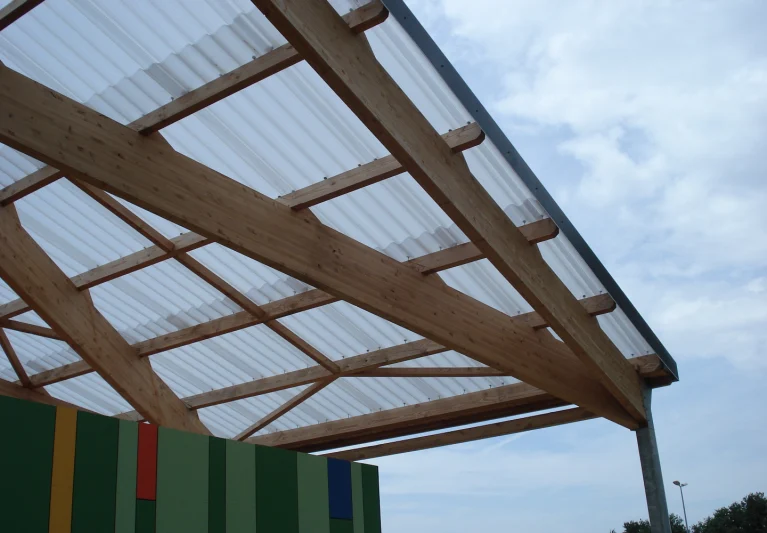
Timber Frameworks: Traditional but Challenged
Direct Answer:
Timber has been used for decades in Kenyan construction, but susceptibility to termites, rot, fire, and environmental degradation limits its long-term viability.
Challenges with Timber in Kenya:
-
Termite and pest infestation, especially in Mombasa, Malindi, and other humid coastal areas.
-
Moisture-induced decay, reducing lifespan to 10–15 years for untreated timber.
-
Limited spans, requiring more internal supports and complex joinery.
-
Fire vulnerability, which increases insurance and safety costs.
While timber remains viable for small residential projects, larger-scale commercial and industrial structures increasingly favor steel.
Comparative Analysis: Steel vs. Timber
Direct Answer:
Structural steel outperforms timber in strength, longevity, fire resistance, and maintenance, making it the preferred choice for modern Kenyan construction.
| Feature | Structural Steel | Timber | Notes |
|---|---|---|---|
| Lifespan | 50+ years with proper maintenance | 10–20 years, depending on treatment | Steel lasts significantly longer |
| Strength-to-Weight Ratio | High | Moderate | Steel supports larger spans |
| Fire Resistance | Excellent, non-combustible | Poor, requires treatment | Steel safer for multi-story buildings |
| Termite and Pest Resistance | Excellent | Poor, especially untreated timber | Coastal and humid regions favor steel |
| Maintenance | Low, periodic inspection and painting | High, includes re-treatment and repairs | Steel reduces long-term costs |
| Environmental Impact | Recyclable, can be fabricated offsite | Renewable but requires chemical treatment | Steel can reduce deforestation |
| Installation Speed | Fast with prefabricated sections | Moderate, skilled carpentry required | Prefab steel reduces project timelines |
| Cost (Initial) | Moderate to High | Lower upfront | Lifecycle cost often lower for steel |
| KEBS & National Code Compliance | Fully compliant with standards | Requires careful material selection | Steel aligns with National Building Code 2024 |
Why Kenyan Developers Prefer Steel in 2026
Direct Answer:
Steel frameworks allow faster construction, reduce long-term maintenance costs, and provide safer, code-compliant structures compared to timber.
Key Drivers:
-
Urbanization Pressure: Nairobi, Thika, and Kitengela developments require durable, multi-story frameworks.
-
Climate Challenges: Steel resists coastal humidity, termite attack, and Nairobi high-altitude UV exposure.
-
Fire Safety Compliance: Insurance regulations increasingly favor non-combustible materials.
-
Ease of Prefabrication: MS steel flats, hollow sections, and Zed purlins are fabricated offsite, reducing on-site labor.
-
Lifecycle Cost Efficiency: Lower maintenance, repair, and replacement costs compared to timber.
Installation and Construction Considerations
Direct Answer:
Proper design, handling, and installation of steel frameworks maximize structural integrity, speed, and compliance.
Best Practices in Kenya:
-
Use KEBS-certified steel to ensure quality and compliance.
-
Prefabricate steel components offsite for accuracy and reduced on-site time.
-
Protect steel from moisture during storage and installation.
-
Bolted or welded connections must follow engineering specifications.
-
Incorporate Zed purlins and hollow sections for roof and wall support.
BHD provides all required steel products and accessories to streamline installation:
Steel Accessories
Cost Considerations for Steel vs. Timber
Direct Answer:
While steel has a higher initial cost than timber, lifecycle savings in maintenance, replacement, and insurance make it more economical for Kenyan developers.
| Component | Structural Steel (KES/m²) | Timber (KES/m²) | Notes |
|---|---|---|---|
| Material | 1,500–3,500 | 800–1,500 | Steel requires KEBS certification |
| Labor | 400–800 | 500–1,000 | Prefab steel reduces on-site labor |
| Maintenance (10 years) | 50–100/m² | 500–1,000/m² | Timber requires termite treatment, repainting |
| Replacement Cycle | 50+ years | 10–20 years | Steel offers superior long-term ROI |
| Total Lifecycle Cost | Moderate | High | Steel more cost-efficient over 30–50 years |
Sustainability and Environmental Impact
Direct Answer:
Structural steel supports sustainable construction by being fully recyclable, reducing deforestation, and allowing offsite fabrication to minimize site waste.
-
Steel can be reused and recycled indefinitely.
-
Prefabrication reduces on-site waste and dust.
-
Timber, although renewable, often requires chemical treatment for durability.
-
Lifecycle analysis favors steel for urban, long-term projects.
Common Mistakes to Avoid When Choosing Steel Over Timber
Direct Answer:
Awareness of common pitfalls ensures safety, efficiency, and cost-effectiveness in steel-based construction.
-
Using non-KEBS-certified steel.
-
Ignoring corrosion protection in humid or coastal areas.
-
Failing to plan for thermal expansion in roof frameworks.
-
Inadequate connections and bracing.
-
Miscalculating load-bearing capacity and span requirements.
Delivery and Support Across Kenya
Direct Answer:
BHD delivers KEBS-certified structural steel and accessories same-day in Nairobi and next-day nationwide, ensuring timely project execution.
Delivery Highlights:
-
Nairobi: Same-day delivery
-
Countrywide: Nakuru, Kisumu, Mombasa, Eldoret, Thika, Meru, Kitengela, Malindi
Contact BHD:
burhanihardwaredealers yahoo.com
+254 731 217 462 | +254 790 545 205
https://bhd.co.ke
Industrial Area, Funzi Road, Nairobi
Conclusion: Why Structural Steel Is the Future of Kenyan Construction
Direct Answer:
Structural steel offers superior strength, durability, fire resistance, and lifecycle cost efficiency compared to timber, making it the material of choice for modern Kenyan commercial, residential, and industrial frameworks. By using KEBS-certified steel, incorporating prefabricated components, and following professional installation practices, developers ensure safe, sustainable, and cost-effective buildings suitable for the growing urban landscape in 2026.
BHD provides structural steel, Zed purlins, MS flats, and accessories, fully compliant with National Building Code 2024 and KEBS 2025 Standards Levy, enabling developers to implement robust steel frameworks across Kenya.
Frequently asked questions

Written & reviewed by
BHD Kenya
Burhani Hardware Dealers (BHD Kenya) is a Nairobi-based supplier of polycarbonate roofing, Alucobond/ACP cladding, Perspex, WPC wall panels and steel products, serving contractors, fabricators and homeowners across Kenya.