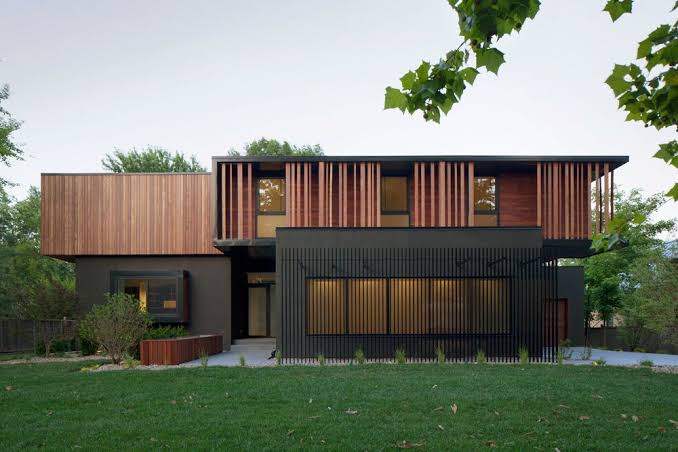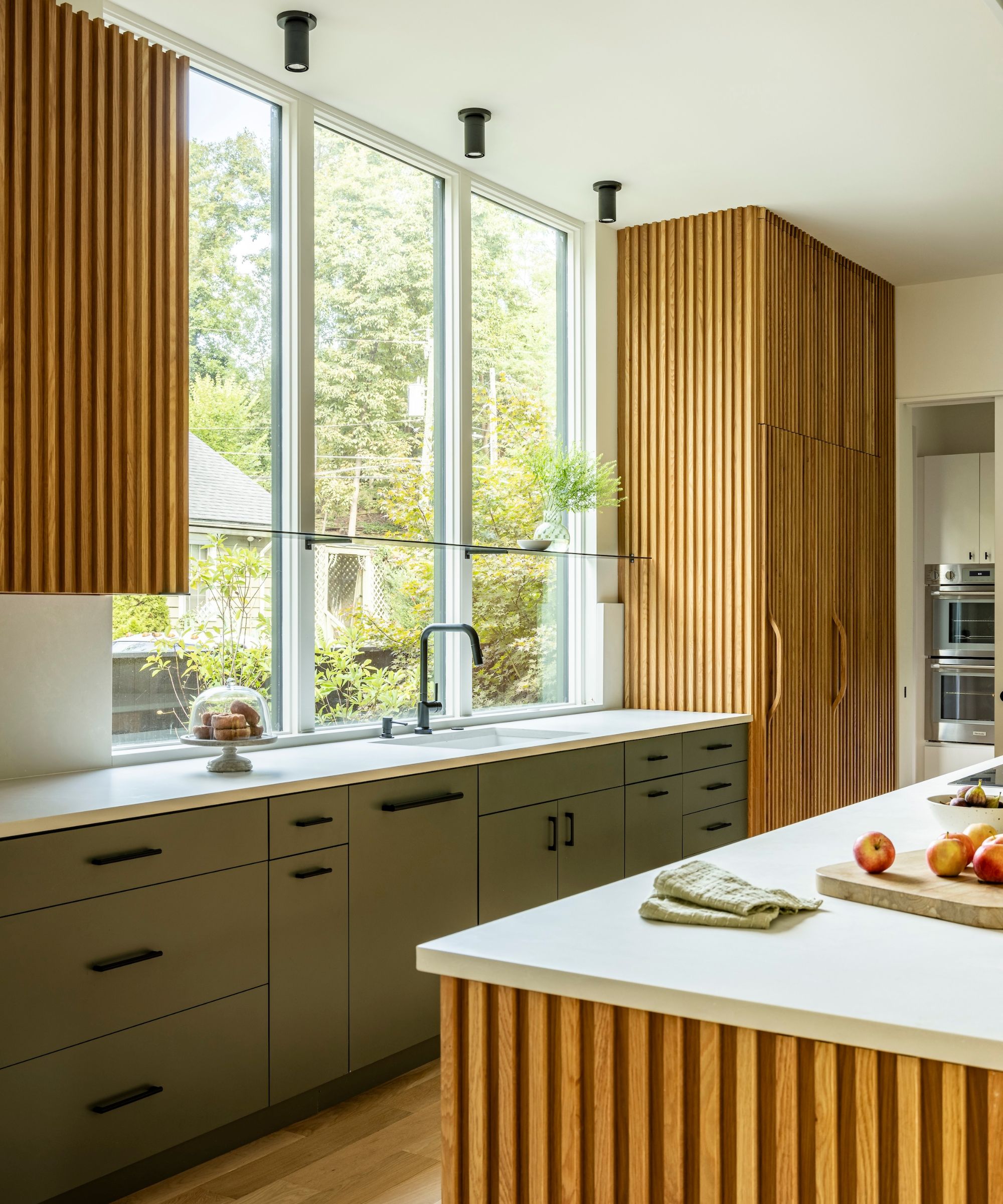


Wall Cladding Kenya: 7 Best Exterior Materials in 2026
Quick answer
The exterior cladding materials used most in Kenya are aluminium composite panels, natural stone, WPC panels, fibre cement boards and profiled metal panels. The right choice depends on the supporting structure, exposure to sun and rain, fire performance, maintenance and installed cost rather than appearance alone. Light panel systems fix to a subframe; stone needs masonry support.
Best Exterior Cladding Materials in Kenya
The best exterior cladding materials in Kenya include aluminium composite panels, stone, WPC panels, fibre cement, metal panels, and selected architectural boards. The right choice depends on climate, building design, structural requirements, maintenance, fire performance, appearance, and total installed cost.
Exterior cladding does more than make a building attractive. It forms an important part of the building envelope, helping define the appearance of walls while protecting underlying surfaces from weather and environmental exposure.
For Kenyan projects, material selection should account for local conditions. A commercial building in Nairobi faces strong UV exposure and seasonal rainfall, while a coastal building in Mombasa requires greater attention to humidity, salt-laden air, and corrosion. Buildings in exposed Rift Valley locations may also require careful consideration of wind loads.
This guide compares the main wall cladding Kenya options and explains where each material is most appropriate.
What Is Exterior Wall Cladding?
Exterior wall cladding is a protective and decorative layer installed over the external walls of a building. It can improve appearance, manage weather exposure, and create architectural finishes while forming part of a larger façade system.
Cladding can be installed over:
- Concrete walls
- Masonry
- Steel structures
- Timber framing
- Existing building surfaces
- Designed façade subframes
Common exterior cladding materials include:
- Aluminium composite panels
- Natural stone
- WPC panels
- Fibre cement
- Metal panels
- Architectural boards
- Selected PVC-based products
The cladding material is only one part of the system.
A complete façade may also require:
- Subframes
- Brackets
- Fasteners
- Flashings
- Sealants
- Insulation
- Drainage details
- Ventilation
What Are the Best Exterior Cladding Materials in Kenya?
The best exterior cladding materials in Kenya depend on the building's purpose, climate, budget, appearance, structural capacity, and maintenance requirements. ACP is well suited to modern façades, stone provides a natural appearance, while WPC can provide decorative textured finishes for selected applications.
| Material | Main Strength | Typical Application |
|---|---|---|
| Aluminium composite panels | Lightweight modern finish | Commercial façades |
| Stone | Natural appearance | Premium residential/commercial |
| WPC panels | Decorative wood-effect finish | Feature walls |
| Fibre cement | Robust architectural finish | Exterior walls |
| Metal panels | Industrial/modern appearance | Commercial buildings |
| Architectural boards | Design flexibility | Interior/exterior applications where specified |
| Marble boards | Decorative surface | Feature areas and selected wall applications |
The correct material should be selected according to its intended application rather than appearance alone.
BHD provides a range of construction and architectural materials for Kenyan projects.
Why Is Aluminium Composite Panel Cladding Popular in Kenya?
Aluminium composite panels are popular because they provide relatively lightweight, flat, consistent surfaces with extensive colour and finish options. They can also be cut, routed and folded, making them suitable for modern façades, fascias, columns, shopfronts and signage.
ACP is commonly used for:
- Office façades
- Shopping centres
- Retail buildings
- Showrooms
- Hotels
- Corporate buildings
- Shopfronts
- Signage
The panels can create strong geometric lines that suit contemporary architecture.
BHD supplies Alucobond sheets in Kenya for architectural and finishing applications.
ACP should be specified according to:
- Panel thickness
- Aluminium skin thickness
- Core type
- Coating
- Colour
- Fire classification
- Fixing system
- Intended application
For larger commercial buildings, fire performance should be confirmed against the project's requirements.
What Are the Advantages of WPC Wall Panels?
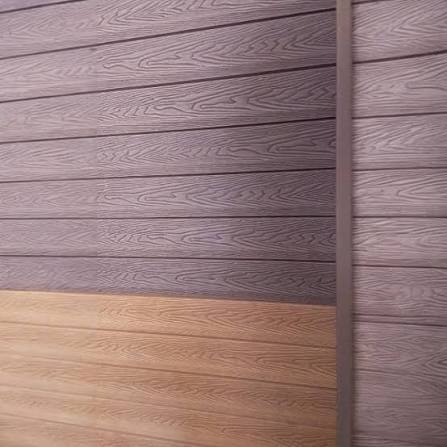
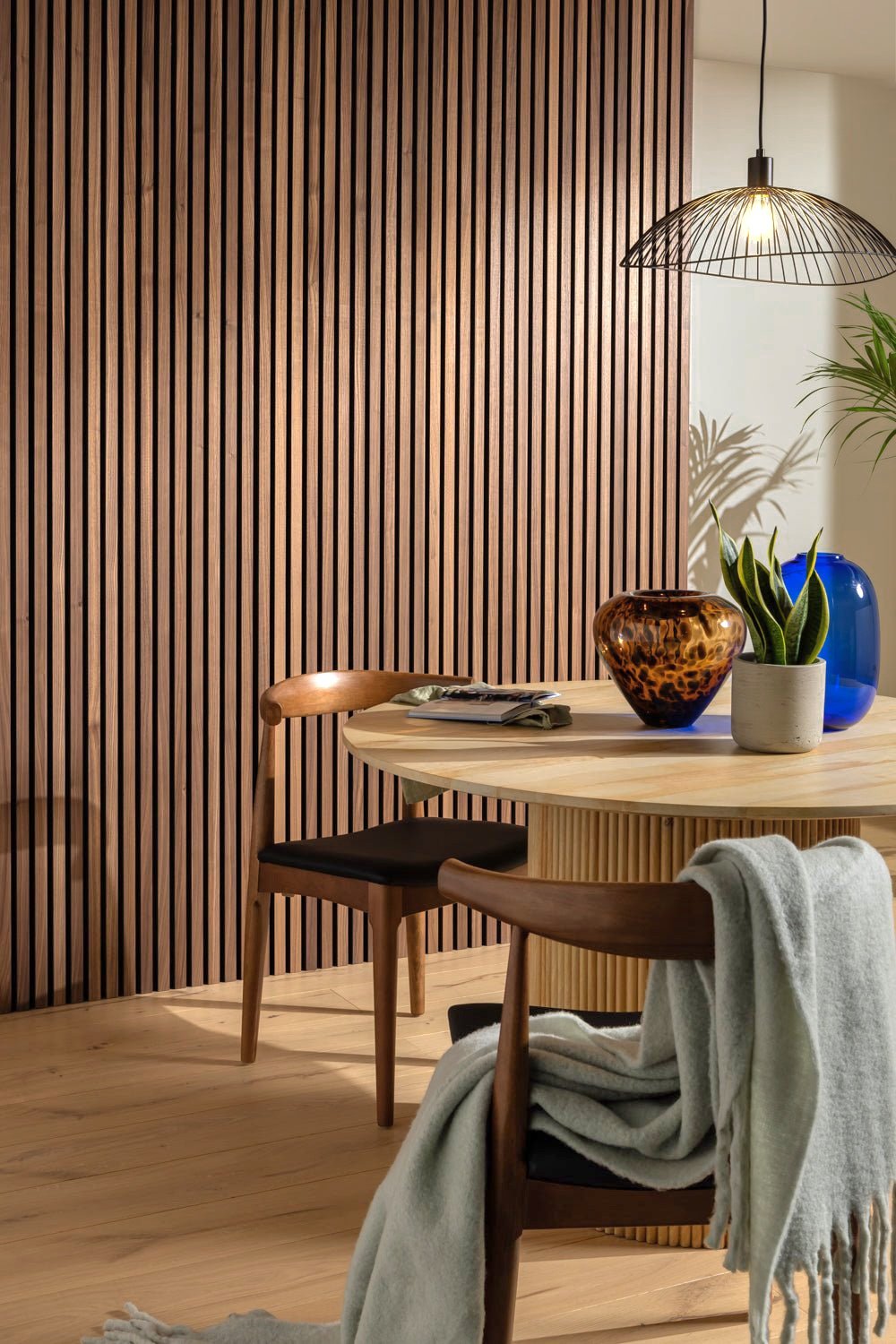
WPC wall panels combine wood-derived material with polymer components to create decorative surfaces that can provide a wood-like appearance without using conventional solid timber cladding. They are useful for selected architectural and decorative applications where appearance, consistent profiles and practical installation are important.
WPC can be considered for:
- Feature walls
- Exterior decorative sections
- Verandas
- Commercial façades
- Hospitality projects
- Residential architectural details
BHD supplies WPC wall panels for suitable architectural applications.
However, buyers should confirm that the selected WPC product is specifically rated and intended for the proposed exterior environment.
Outdoor exposure requires consideration of:
- UV resistance
- Moisture
- Temperature changes
- Fixing
- Drainage
- Manufacturer specifications
Is Stone Good for Exterior Wall Cladding?
Stone is a strong architectural option when a natural, textured and substantial exterior appearance is required. It can be particularly effective for feature walls, entrances, villas, hotels and premium commercial developments, although its weight and installation requirements must be properly considered.
Stone can provide:
- Natural texture
- Distinctive colour variation
- Premium appearance
- Visual depth
- Architectural character
Possible applications include:
- Entrance walls
- Boundary features
- Hotel façades
- Luxury homes
- Feature columns
- Commercial buildings
Stone selection should consider:
- Type of stone
- Thickness
- Weight
- Water absorption
- Surface finish
- Fixing system
- Cleaning requirements
A heavy stone system should never be installed without considering the supporting structure.
What Are Metal Wall Cladding Panels?
Metal wall cladding uses materials such as aluminium or steel to create durable architectural surfaces with clean lines and contemporary finishes. Metal panels are useful for commercial, industrial and modern architectural buildings where a lightweight or engineered façade appearance is required.
Metal cladding can be formed into:
- Flat panels
- Ribbed profiles
- Corrugated profiles
- Standing-seam systems
- Custom architectural panels
Its performance depends on:
- Metal type
- Thickness
- Coating
- Fixing system
- Joint design
- Environmental exposure
Coastal projects require particular attention to corrosion protection.
Is Fibre Cement Good for Exterior Cladding?
Fibre cement can provide a practical exterior wall finish where a rigid, weather-resistant architectural board is required and the selected product is specifically designed for external use. Its appearance can range from simple contemporary boards to textured or timber-effect finishes.
Fibre cement may be considered for:
- Residential façades
- Commercial buildings
- Extensions
- Feature walls
- Contemporary architecture
Before installation, verify:
- External-use rating
- Thickness
- Board dimensions
- Fixing method
- Joint requirements
- Moisture performance
- Fire performance
- Manufacturer installation instructions
Not every architectural board is suitable for exterior exposure.
What Is the Best Wall Cladding for Modern Buildings?
Modern buildings often benefit from cladding materials that provide clean lines, consistent finishes and controlled joint patterns. ACP, metal panels, fibre cement and selected WPC systems can all contribute to modern façades when the material specification and installation system are appropriate.
Modern façade designs often combine several materials.
For example:
- ACP around windows
- Stone at the entrance
- Glass across large openings
- Metal detailing around roof edges
- WPC on selected feature walls
This approach avoids making the entire building dependent on one material.
Which Exterior Cladding Is Best for Nairobi?
For Nairobi, exterior cladding should be selected for UV exposure, rainfall, temperature variation, dust and wind conditions. ACP, metal, stone and approved exterior-grade architectural boards can all be suitable when correctly specified and installed.
Nairobi's climate creates several façade considerations.
UV Exposure
Large walls can receive substantial direct sunlight.
Choose products with appropriate external coatings and UV performance.
Rainfall
Cladding joints and wall interfaces should be detailed to manage water.
Dust
Light-coloured or smooth surfaces may require regular cleaning to maintain their appearance.
Temperature Changes
Different materials expand and contract at different rates.
The installation system should accommodate expected movement.
Which Exterior Cladding Is Best for Mombasa?
Mombasa and other coastal areas require particular attention to humidity, salt exposure and corrosion. The best cladding system is one in which the panel, subframe, brackets, fasteners and other components are appropriately specified for the coastal environment.
Coastal projects should consider:
- Corrosion-resistant components
- Suitable coatings
- Stainless or appropriately protected fasteners
- Proper drainage
- Sealed or controlled joints
- Regular inspection
A common mistake is to select a corrosion-resistant façade panel while using unsuitable steel brackets or fasteners.
The complete system must be considered.
What Cladding Is Suitable for Windy Areas?
Cladding performance in windy areas depends on the complete façade system, including panel weight, support spacing, fixing strength, anchors, subframes, building height and wind exposure. A strong cladding material can still fail if its supporting system is inadequate.
For exposed buildings, consider:
- Building height
- Roof and wall geometry
- Wind pressure
- Panel dimensions
- Fixing spacing
- Edge conditions
- Subframe strength
- Anchor capacity
Rift Valley sites and exposed high-elevation locations may require particular attention to wind loading.
The structural engineer should determine the required design loads and fixing arrangement.
Which Cladding Material Is the Lightest?
ACP and many metal-based cladding systems are generally lighter than conventional stone cladding, although the actual weight depends on the product and complete installation system. Lower cladding weight can simplify handling and reduce dead loads on the supporting structure.
Weight affects:
- Transportation
- Handling
- Installation
- Bracket requirements
- Structural design
A lightweight material can be especially useful when renovating an existing building.
However, lightweight cladding still requires a properly engineered support system.
Which Exterior Cladding Is Most Durable?
Durability depends on material specification, environmental exposure, installation quality and maintenance rather than material name alone. A properly specified exterior-grade ACP, metal, stone or WPC system can perform well when installed and maintained according to its intended conditions.
When assessing durability, ask:
- Is it UV resistant?
- Is it designed for outdoor use?
- How does it handle moisture?
- Is it corrosion resistant?
- What maintenance is required?
- Are replacement components available?
- What does the manufacturer specify?
Avoid choosing a product simply because it is described as "durable."
The relevant environmental conditions should be identified first.
Which Cladding Material Requires the Least Maintenance?
Smooth coated panels such as appropriately specified ACP can be relatively straightforward to clean and inspect, while maintenance requirements for stone and textured materials depend on surface porosity, staining, environmental exposure and installation details.
Routine maintenance may include:
- Surface cleaning
- Joint inspection
- Sealant checks
- Fastener inspection
- Flashing inspection
- Corrosion checks
- Repair of damaged panels
Coastal buildings may need more frequent inspections because salt and humidity can accelerate deterioration of some components.
What Specifications Should You Compare When Buying Exterior Cladding?
Compare exterior cladding using measurable specifications such as thickness, weight, dimensions, coating, UV resistance, fire performance, moisture resistance, fixing method and intended application. The specification should match the building's environment and design requirements.
Exterior Cladding Specifications Table
| Parameter | What to Check |
|---|---|
| Material | ACP, stone, WPC, metal, fibre cement, etc. |
| Thickness | Manufacturer specification |
| Weight | kg/m² |
| Panel/board size | Width and length |
| Surface finish | Matte, gloss, textured, wood-effect, etc. |
| UV resistance | Required for exposed façades |
| Moisture resistance | Exterior-use specification |
| Fire performance | Project requirement |
| Colour | Selected architectural finish |
| Fixing system | Mechanical/adhesive/subframe |
| Support spacing | Manufacturer/engineer requirement |
| Application | Exterior/interior |
| Maintenance | Cleaning and inspection requirements |
This information allows contractors to compare products on performance rather than marketing descriptions.
How Much Does Exterior Wall Cladding Cost in Kenya?
Exterior cladding costs in Kenya vary according to material, thickness, panel size, finish, façade area, fabrication, subframe, labour, access, transport and installation complexity. The most useful comparison is the complete installed cost rather than the price of the cladding panel alone.
A complete budget may include:
- Cladding panels
- Subframe
- Brackets
- Fasteners
- Flashings
- Sealants
- Fabrication
- Labour
- Scaffolding
- Access equipment
- Transport
- Waste
For example, an ACP panel may appear inexpensive per square metre but require a substantial subframe and fabrication system.
Stone may have a higher material and handling cost but deliver a different architectural finish.
Request a project-specific quotation before making a final decision.
For current material availability, buyers can contact BHD with the required specifications.
How Do You Calculate the Amount of Cladding Required?
Cladding quantities should be calculated from the actual external wall dimensions, openings, panel coverage, joints, cutting requirements and expected waste. The final quantity should include allowances for windows, doors, corners, returns, reveals and fabrication.
A basic wall area calculation is:
Wall area = wall length × wall height
Then subtract:
- Windows
- Doors
- Large openings
Add allowances for:
- Cutting
- Corners
- Returns
- Pattern matching
- Damaged sections
- Fabrication waste
Complex façades should be measured from detailed architectural drawings.
What Is a Façade System?
A façade system is the complete external wall assembly rather than the visible cladding material alone. It can include the structural wall, insulation, air or moisture control layers, subframe, brackets, cladding panels, joints, flashings and sealants.
This distinction is important.
For example:
ACP panel + aluminium/steel subframe + brackets + fasteners + joints + flashing = façade system
The visible panel is only one component.
A façade should therefore be designed as an integrated system.
What Structural Materials Are Used Behind Exterior Cladding?
Structural and secondary steel components can provide support for many cladding systems, with the appropriate section selected according to span, load, fixing requirements and engineering calculations. SHS, RHS, CHS, purlins and other steel sections may be used depending on the design.
BHD supplies square hollow section SHS for structural and fabrication applications.
Rectangular hollow section RHS can also be used in appropriate structural and fabrication applications.
For other structural requirements, HR beams are available.
The actual section size should always be determined by the project engineer.
Can Exterior Cladding Be Combined With Polycarbonate?
Yes, polycarbonate can be combined with opaque wall cladding where a project requires controlled natural daylight. The combination can be useful for canopies, commercial structures, entrances, covered walkways and selected architectural features.
Polycarbonate is particularly useful when transparency or light transmission is required.
BHD supplies polycarbonate sheets in different categories.
For daylighting applications, hollow polycarbonate sheets and solid polycarbonate sheets can be evaluated according to the project's requirements.
The selected product should be appropriate for outdoor exposure.
Can Perspex Be Used With Exterior Cladding?
Perspex and other acrylic sheets can be combined with architectural cladding for signage, displays, screens and selected decorative applications. However, the exact acrylic product should be confirmed as suitable for the intended environmental exposure and installation conditions.
Perspex can be used for:
- Signage
- Decorative panels
- Displays
- Feature elements
- Translucent details
BHD supplies Perspex sheets for suitable applications.
The product should not be substituted for a structural or weatherproof façade material without checking its specification.
What Are Common Exterior Cladding Installation Mistakes?
Common installation mistakes include inadequate structural support, incorrect fasteners, poor alignment, insufficient movement allowance, weak joint detailing, poor flashing and failure to account for local environmental conditions. These problems can cause water ingress, panel distortion, corrosion or premature deterioration.
Avoid:
- Installing exterior-rated materials incorrectly
- Ignoring wind loads
- Using unsuitable fasteners
- Poorly aligned subframes
- Blocking drainage paths
- Incorrect sealant application
- Ignoring thermal movement
- Cutting panels without proper fabrication methods
- Mixing incompatible metals without considering corrosion
- Failing to inspect joints
Good installation is essential regardless of how good the material is.
What Standards Apply to Exterior Cladding in Kenya?
Exterior cladding projects should comply with applicable Kenyan building requirements, relevant KEBS standards, structural design requirements, fire provisions and manufacturer installation instructions. The exact requirements depend on the building type, location, cladding material and façade system.
The National Building Code 2024 should be considered where applicable.
Relevant KEBS standards should also be checked for the selected construction products.
For larger commercial and high-occupancy buildings, fire performance should receive particular attention.
Material certification and product documentation should be obtained where required.
How Do You Choose the Best Exterior Cladding for a Kenyan Building?
Start by identifying the building location, climate exposure, architectural objective, structural limitations, maintenance expectations and budget. Then compare suitable cladding materials using measurable specifications and the complete installed system rather than selecting a material based only on appearance or price.
A practical selection process is:
Step 1: Identify the Environment
Is the building in:
- Nairobi?
- Mombasa?
- Kisumu?
- Eldoret?
- Nakuru?
- A windy or exposed location?
Step 2: Define the Appearance
Do you want:
- Modern?
- Natural?
- Industrial?
- Wood-effect?
- Minimalist?
- Premium?
Step 3: Assess Structural Requirements
Check:
- Existing wall capacity
- Subframe requirements
- Panel weight
- Wind loads
- Fixing points
Step 4: Check Technical Specifications
Review:
- Thickness
- Coating
- UV resistance
- Moisture resistance
- Fire classification
- Dimensions
Step 5: Compare Total Cost
Include:
- Materials
- Fabrication
- Support structure
- Labour
- Transport
- Maintenance
Step 6: Confirm Installation Requirements
Use trained installers and follow the manufacturer's instructions.
Frequently Asked Questions About Wall Cladding Kenya
Wall cladding Kenya projects can use several materials, including ACP, stone, WPC, metal and fibre cement, depending on the building's requirements. The best option should be selected according to climate, structural performance, appearance, maintenance and total installed cost.
1. What is the best exterior wall cladding in Kenya?
There is no single best material for every project. ACP is suitable for many modern commercial façades, while stone, WPC, metal and fibre cement can be appropriate for specific architectural applications.
2. What is the cheapest wall cladding in Kenya?
Prices vary according to product specification, quantity, installation and market conditions. Compare complete installed costs rather than material price alone.
3. Is Alucobond good for exterior walls?
Yes, appropriately specified exterior-grade ACP can be used for façades, fascias, columns, shopfronts and other architectural applications.
4. Is WPC suitable for exterior walls?
Some WPC products are designed for exterior applications, while others are intended for indoor use. Always confirm the manufacturer's exterior-use, UV and moisture specifications.
5. Which cladding is best for coastal Kenya?
The complete system should be selected for humidity and salt exposure, including panels, subframes, brackets and fasteners. Corrosion resistance is particularly important.
6. Does wall cladding protect against rain?
Cladding can form part of a weather-resistant wall system, but protection depends on the complete façade design, including joints, flashing, drainage and the underlying wall assembly.
7. How long does exterior cladding last?
There is no universal lifespan. Service life depends on material quality, environmental exposure, installation, maintenance and manufacturer specifications.
8. Is exterior cladding suitable for residential houses?
Yes. Cladding can be used on complete façades or selected areas of residential buildings, including entrances, feature walls, balconies and architectural sections.
Final Verdict: Best Exterior Cladding Materials in Kenya
The best exterior cladding material in Kenya is the one that meets the building's structural, environmental, architectural and maintenance requirements. ACP is a strong option for modern lightweight façades, stone provides natural architectural character, WPC offers decorative finishes, and metal or fibre cement can serve specialized exterior applications.
Before buying, compare:
- Material type
- Thickness
- Weight
- Finish
- UV resistance
- Moisture performance
- Fire classification
- Structural requirements
- Fixing system
- Maintenance
- Total installed cost
For architects, contractors and developers, the goal should not simply be to find the cheapest exterior panel.
The goal is to specify a façade system that performs appropriately under Kenyan conditions.
For available architectural and construction materials, browse the BHD catalog.
Contact Burhani Hardware Dealers (BHD)
burhanihardwaredealers [at] yahoo.com
Call/WhatsApp: +254 731 217 462 | +254 704 606 131
Visit: BHD, Industrial Area, Funzi Road, Nairobi
Website: https://bhd.co.ke/
Delivery Guarantee:
Same-day delivery within Nairobi.
Next-day delivery countrywide to Nakuru, Kisumu, Mombasa, Eldoret, Thika, Meru, Kitengela, Malindi.
Frequently asked questions

Written & reviewed by
BHD Kenya
Burhani Hardware Dealers (BHD Kenya) is a Nairobi-based supplier of polycarbonate roofing, Alucobond/ACP cladding, Perspex, WPC wall panels and steel products, serving contractors, fabricators and homeowners across Kenya.