
What to Know Before Installing Polycarbonate Skylights in Nakuru Homes
Quick answer
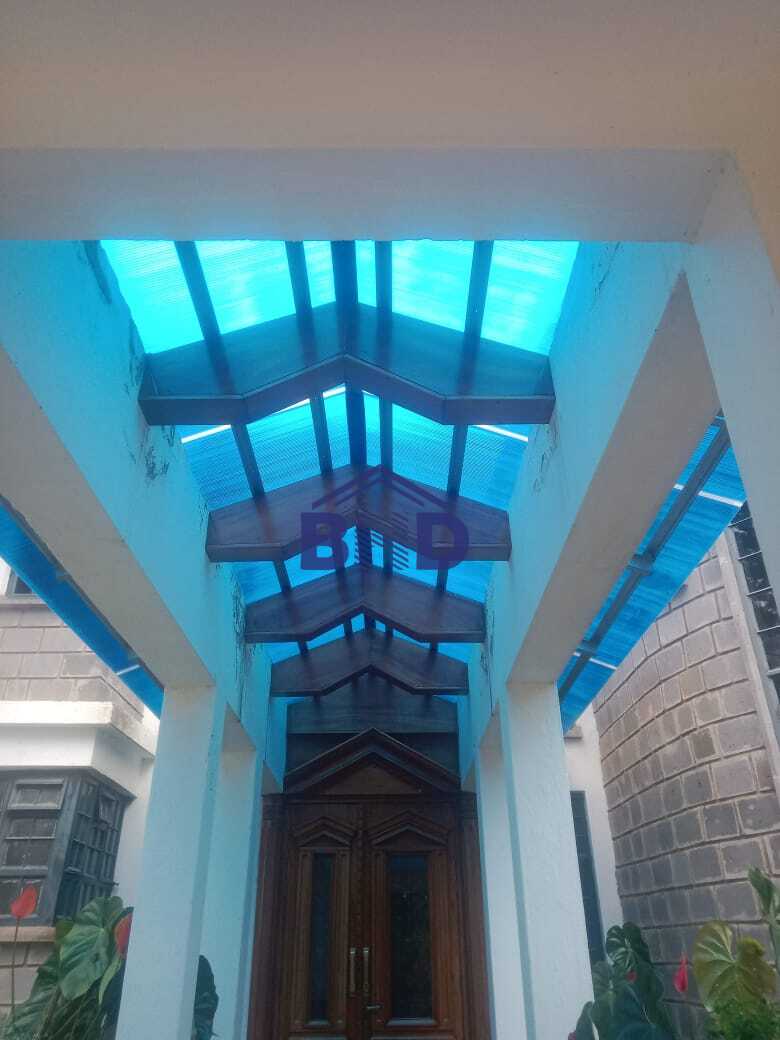
A polycarbonate skylight brings daylight into a room through the roof without the weight or breakage risk of glass. In Nakuru the specification matters: strong daytime sun argues for a tinted or multiwall sheet, cool nights make condensation likely, and hail and wind mean thickness, flashing and fixing detail must be right.
In Nakuru’s fast-changing residential landscape—where modern homes sit alongside older bungalows and peri-urban developments—polycarbonate skylights are increasingly being used to introduce natural light, reduce electricity costs, and enhance interior comfort. However, installing skylights in Nakuru is not a one-size-fits-all decision. The town’s high altitude, cooler nights, strong daytime sun, seasonal winds, and occasional hailstorms all affect how polycarbonate skylights should be selected, installed, and maintained.
Before cutting into your roof, here’s what every homeowner, contractor, or architect should know before installing polycarbonate skylights in Nakuru homes, with a strong focus on local installation considerations.
Understanding Polycarbonate Skylights
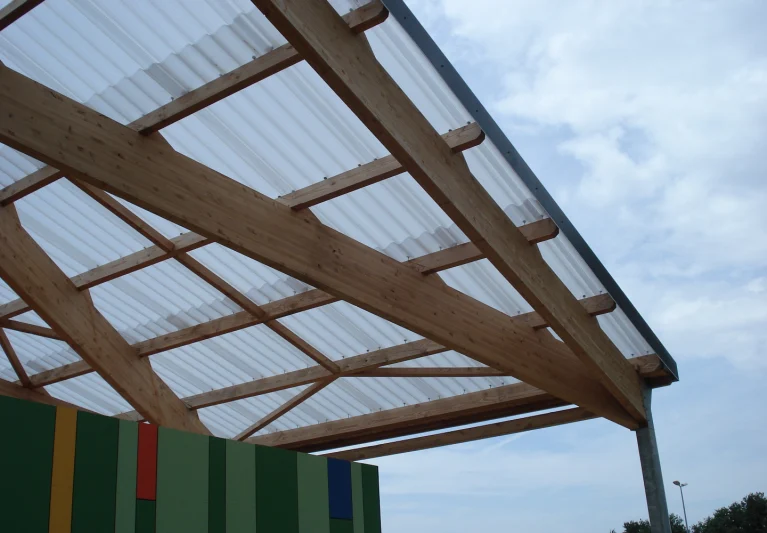
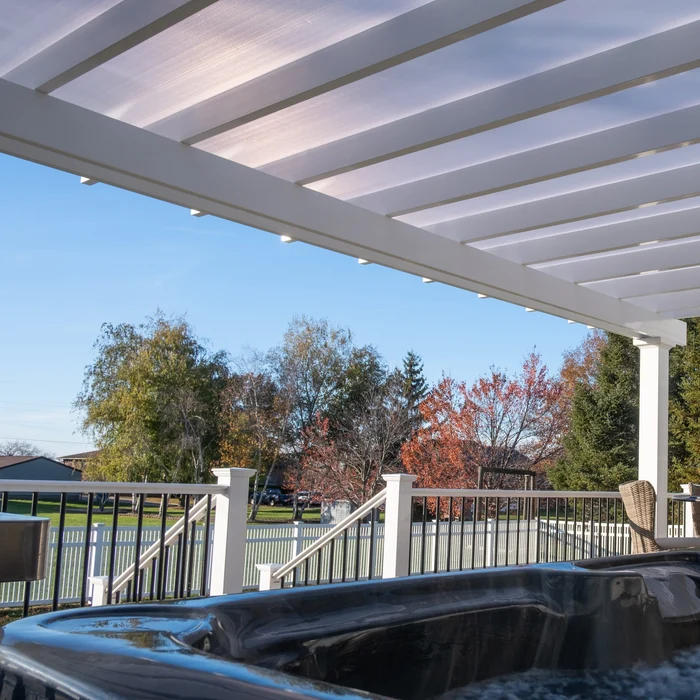
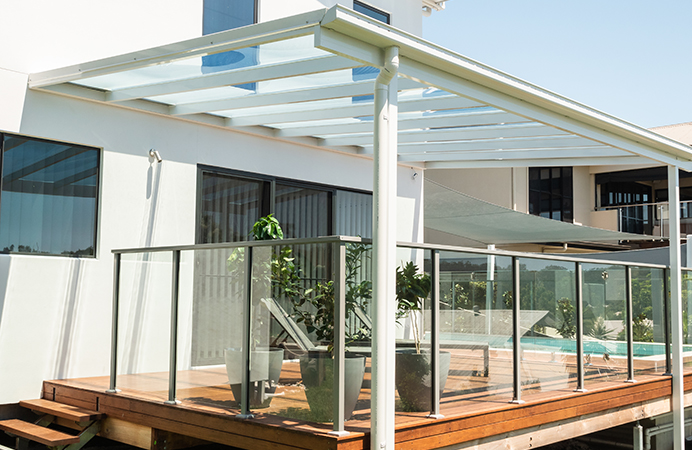
Polycarbonate skylights are transparent or translucent roof panels made from high-impact thermoplastic material. They are designed to allow daylight into interior spaces while maintaining structural strength and weather resistance.
Compared to glass, polycarbonate skylights are:
-
Lighter and easier to install
-
Far more impact-resistant
-
Less prone to cracking during temperature changes
-
Available in UV-protected and heat-reducing variants
These qualities make them ideal for residential skylights, especially in areas like Nakuru where weather conditions fluctuate throughout the year.
Why Polycarbonate Skylights Are Popular in Nakuru Homes
Nakuru homeowners are increasingly adopting skylights for both functional and aesthetic reasons.
Key local drivers include:
-
Reducing electricity usage during daylight hours
-
Brightening kitchens, stairwells, corridors, and bathrooms
-
Improving indoor comfort in homes with limited window space
-
Enhancing modern architectural appeal
Polycarbonate skylights also integrate well with modern roofing systems, including metal sheets and transparent roofing structures commonly used in Nakuru estates.
Nakuru Climate Considerations You Must Account For
Temperature Fluctuations
Nakuru experiences cool mornings and nights with intense midday sun. This daily temperature swing causes roofing materials to expand and contract.
What this means for skylights:
-
Polycarbonate sheets must be installed with expansion gaps
-
Fixings should allow controlled movement
-
Over-tightening screws can cause cracking over time
Ignoring thermal movement is one of the most common causes of skylight failure.
Wind Exposure
Certain areas around Nakuru—especially estates near open land or elevated terrain—experience strong winds.
Local installation implications:
-
Skylights must be securely fastened to the roof structure
-
Thicker polycarbonate sheets perform better under uplift pressure
-
Poorly sealed edges can lift during storms
Professional installation is critical in windy zones.
Rainfall & Leak Prevention
Nakuru receives moderate to heavy seasonal rainfall. Improper skylight installation can quickly lead to leaks.
Key precautions:
-
Correct roof slope alignment
-
Use of high-quality rubber washers and sealants
-
Proper flashing around skylight edges
-
Avoid flat installations on low-pitch roofs
Most leaks occur not because of the sheet itself, but due to poor detailing at joints.
Hail & Impact Risk
While not frequent, hailstorms do occur in Nakuru and surrounding Rift Valley regions.
Polycarbonate’s high impact resistance makes it far superior to glass in these conditions. However:
-
Thin, low-quality sheets may still deform
-
UV-protected, branded polycarbonate performs best long-term
Choosing the Right Polycarbonate Skylight for Nakuru Homes
Sheet Type Matters
For residential skylights, the most suitable options include:
-
Solid polycarbonate for maximum clarity
-
Twinwall polycarbonate for better thermal insulation
-
Bronze or opal-tinted sheets to reduce heat and glare
Clear sheets allow maximum light but may increase heat gain if poorly positioned.
Thickness Selection
In Nakuru homes:
-
1.2mm–1.5mm works for small skylights
-
1.8mm and above is recommended for larger openings or exposed roofs
Thicker sheets cost more upfront but significantly improve durability and lifespan.
UV Protection Is Non-Negotiable
Always confirm that the polycarbonate skylight includes:
-
UV-coated surface
-
Manufacturer warranty against yellowing and brittleness
Unprotected sheets degrade quickly under Nakuru’s high-altitude sunlight.
Roof Type Compatibility in Nakuru
Most homes in Nakuru use:
-
Corrugated iron sheets
-
Box profile or tile profile sheets
Polycarbonate skylights must:
-
Match the roofing profile
-
Be installed using compatible flashing systems
-
Sit flush to avoid water pooling
Mixing incompatible profiles is a frequent mistake that leads to leaks and premature failure.
Installation Best Practices for Nakuru Homes
Professional Installation Is Essential
DIY skylight installation often leads to:
-
Improper sealing
-
Structural weakness
-
Water ingress
-
Voided warranties
Experienced installers understand local wind patterns, roof types, and drainage needs.
Correct Positioning
Ideal skylight placement:
-
North-facing for balanced daylight
-
Avoid direct overhead placement in bedrooms
-
Use shading or tinting for kitchens and living rooms
Strategic placement improves comfort and avoids overheating.
Maintenance Planning
Even though polycarbonate skylights are low-maintenance:
-
Clean periodically to prevent dust buildup
-
Inspect fixings after heavy rains or wind
-
Avoid abrasive cleaners
Proper care extends lifespan well beyond 10 years.
Cost Considerations in Nakuru
While skylights add value, costs depend on:
-
Sheet thickness and type
-
Size of skylight opening
-
Roof height and complexity
-
Labor quality
Upfront costs are often offset by:
-
Reduced electricity bills
-
Improved property value
-
Lower maintenance compared to glass
Common Mistakes Nakuru Homeowners Should Avoid
-
Choosing the cheapest available polycarbonate
-
Ignoring thermal expansion allowances
-
Using generic sealants instead of roofing-grade products
-
Installing skylights on roofs with insufficient slope
-
Mixing incompatible roofing profiles
Avoiding these mistakes saves money long-term.
Why Source Polycarbonate Skylights from a Trusted Supplier
Quality materials make a significant difference in performance and lifespan. A reliable supplier ensures:
-
UV-stabilized sheets
-
Correct thickness recommendations
-
Compatible accessories
-
Consistent quality
This is especially important for Nakuru, where environmental conditions demand durability.
Final Thoughts
Installing polycarbonate skylights in Nakuru homes can dramatically improve natural lighting, comfort, and property value—but only when local conditions are properly considered. Climate, wind exposure, roof type, sheet quality, and installation technique all play a crucial role in long-term performance.
When planned and installed correctly, polycarbonate skylights offer a durable, safe, and energy-efficient solution perfectly suited to Nakuru’s environment.
Frequently asked questions

Written & reviewed by
BHD Kenya
Burhani Hardware Dealers (BHD Kenya) is a Nairobi-based supplier of polycarbonate roofing, Alucobond/ACP cladding, Perspex, WPC wall panels and steel products, serving contractors, fabricators and homeowners across Kenya.