Where to Buy Genuine Alucobond in Kenya: How to Avoid Counterfeit ACP Panels
BHD Kenya
February 12, 2026
Updated October 21, 2026
6 min read
Quick answer
Genuine Alucobond is a branded aluminium composite panel: aluminium skins of a stated thickness bonded to a mineral or polymer core, with a factory-applied architectural coating. Counterfeit ACP typically uses under-thickness skins, a substandard core and a painted finish that chalks and fades early. Ask for the manufacturer's name, panel markings and supply documents before you order.
Alucobond Sheets in Kenya,Aluminium Composite Panels (ACP), commonly referred to as Alucobond sheets, have become a dominant façade and cladding solution across Kenya’s commercial and high-end residential construction sector. From shopping malls in Nairobi to hotels in Mombasa and office blocks in Kisumu, ACP panels are now the standard for modern architectural finishes.
However, the rapid growth in demand has led to an increase in counterfeit ACP panels in the Kenyan market. Many developers unknowingly purchase substandard panels that delaminate, fade, or fail fire-safety requirements—leading to costly replacements and legal exposure under the National Building Code 2024.
This 2026 guide explains:
What genuine Alucobond is
How to identify counterfeit ACP panels
KEBS and fire compliance considerations
Technical specifications contractors must verify
Where to buy genuine ACP sheets in Kenya
2026 price expectations
What Is Genuine Alucobond (ACP)?
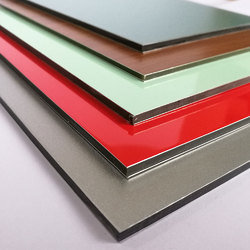
Alucobond is a premium aluminium composite panel consisting of:
Two aluminium sheets
A non-aluminium core (mineral-filled or polyethylene)
Protective coating (usually PVDF or FEVE)
Factory-applied protective film
These panels are engineered for:
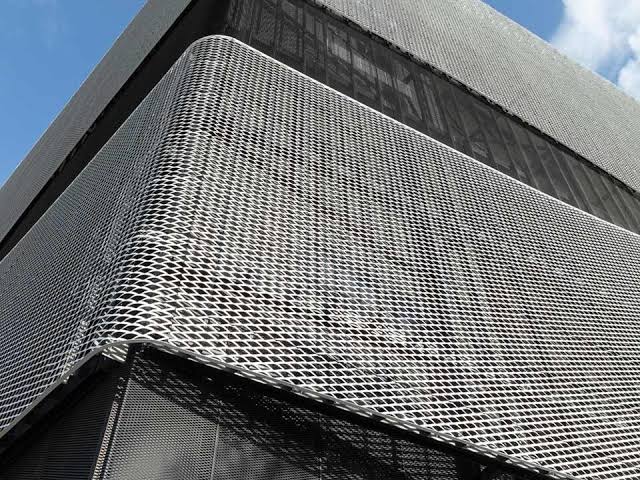
Exterior façade cladding
Interior decorative finishes
Signage and branding
Column wrapping
Canopies
In Kenya’s commercial construction market, ACP panels are widely used because they provide:
Lightweight structural performance
High aesthetic value
Weather resistance
UV stability
Corrosion resistance
However, not all ACP panels sold locally meet genuine quality standards.
Why Counterfeit ACP Panels Are a Serious Risk in Kenya
The Kenyan construction industry has seen increased regulatory enforcement following structural safety concerns in recent years. Substandard façade materials now expose developers and contractors to legal and financial risk.
Common Problems with Counterfeit ACP Panels
Delamination within 1–3 years
Color fading due to poor UV coating
Core material that fails fire safety standards
Warping under heat
Low aluminium thickness
In high-temperature regions such as Mombasa and Malindi, counterfeit panels may blister due to poor adhesive bonding between aluminium skins and the core. In Nairobi’s high UV environment, non-PVDF coatings fade quickly.
Under the National Building Code 2024, façade materials in commercial buildings must meet fire performance and wind-load considerations. Using counterfeit panels may result in project approval delays or rejection.
Technical Specifications to Verify Before Buying ACP Panels
Contractors and project managers must demand technical documentation before procurement.
Standard ACP Specifications Table (2026 Reference)
Specification
Standard Commercial Grade
Premium Grade
Total Thickness
3mm
4mm
Aluminium Skin Thickness
0.21mm
0.3mm – 0.5mm
Core Type
PE Core
FR (Fire-Retardant) Core
Coating
Polyester
PVDF
Panel Width
1220mm
1220mm
Standard Length
2440mm
2440mm / Custom
Fire Rating
Basic
Class B / FR Rated
Critical Verification Points of Alucobond Sheets in Kenya
Poor structural framing increases the risk of panel vibration and detachment during high winds, particularly in high-rise Nairobi developments or windy regions like Nakuru.
Bulk commercial projects may qualify for contractor pricing.
Choosing the cheapest option without verifying specifications often leads to replacement costs within 3–5 years.
ACP Panels in Coastal vs Inland Kenya
Coastal (Mombasa, Malindi)
High humidity
Salt exposure
Higher corrosion risk
Recommendation: PVDF coating + FR core for durability.
Inland High-Altitude (Nairobi)
High UV exposure
Temperature variation
Recommendation: UV-resistant PVDF coating to prevent fading.
Western Kenya (Kisumu, Eldoret)
Heat + heavy rainfall
Recommendation: Proper installation with drainage detailing to prevent water ingress.
Installation Best Practices to Prevent Failure
Use proper expansion gaps.
Avoid over-tightening rivets.
Ensure proper panel alignment.
Use compatible sealants.
Maintain structural spacing per design.
Use fire-rated panels for commercial structures.
Improper installation voids manufacturer warranty—even if panels are genuine.
Final Checklist Before Buying ACP Panels
Before procurement:
Verify aluminium thickness
Confirm core type (prefer FR for commercial use)
Request warranty certificate
Inspect branding and batch number
Confirm coating type
Ensure compliance documentation
This protects developers from compliance risks and premature façade failure.
Conclusion
Genuine Alucobond panels provide durability, fire safety, and long-term façade performance in Kenya’s demanding climate conditions. However, counterfeit ACP panels remain a serious risk in the market.
Developers, contractors, and architects must verify specifications, demand documentation, and source from reputable suppliers with established logistics networks.
Choosing genuine ACP panels is not just about aesthetics—it is about structural safety, regulatory compliance, and long-term investment protection.
Look at the panel itself and at the paperwork. Genuine branded panels carry manufacturer marking on the protective film, a stated aluminium skin thickness, a declared core type and a named coating system, and the supplier can trace them to the manufacturer. Panels with blank film, vague specifications and no documentation are the ones to walk away from.
ACP means aluminium composite panel, the product category. Alucobond is a specific manufacturer's brand within that category, and in Kenya the name is often used loosely for any ACP. The distinction matters when buying, because quality varies widely between panels that all get called Alucobond.
The savings usually come out of the parts you cannot see: thinner aluminium skins, a cheaper core and an ordinary paint finish instead of an architectural coating. Those panels dent easily, lose colour early and can oil-can or wave on the facade. The cost of stripping and replacing a failed facade dwarfs the initial saving.
Ask who manufactures the panel, what the aluminium skin thickness is, what the core is, what coating is on the face, and what documentation comes with the delivery. A genuine stockist answers all five without hesitation. Also confirm sheet sizes and lead time for the colour you want.
Written & reviewed by
BHD Kenya
Burhani Hardware Dealers (BHD Kenya) is a Nairobi-based supplier of polycarbonate roofing, Alucobond/ACP cladding, Perspex, WPC wall panels and steel products, serving contractors, fabricators and homeowners across Kenya.
Discover the best materials for shop branding in Kenya, including Alucobond, Perspex and acrylic, and learn which options suit storefront signs, fascia boards and displays.
Explore modern facade design ideas in Kenya using Alucobond, glass, textured panels and lighting for stylish, durable residential and commercial buildings.