Why Alucobond is Best for Commercial Cladding in East Africa | BHD
Quick answer
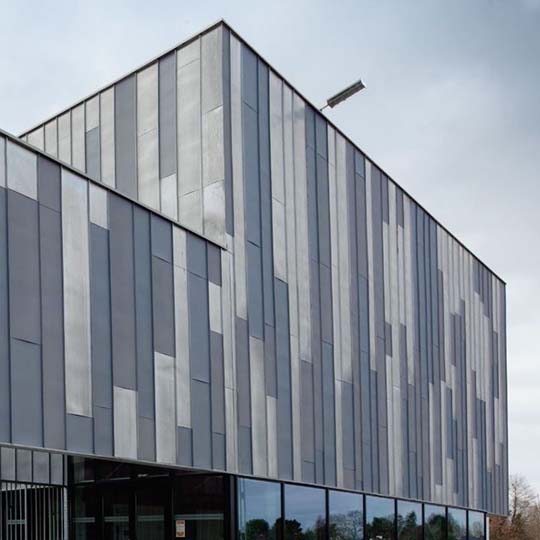
Alucobond is preferred for commercial cladding in East Africa because the aluminium composite panel is light, rigid and flat, holds its colour under strong sun and coastal humidity, and can be cut, routed and folded into almost any facade shape. It hangs on a light subframe, so re-cladding an existing building stays practical.
What Makes Alucobond the Leading Commercial Cladding Material in East Africa?
Alucobond is the leading commercial cladding material in East Africa because it combines modern aesthetics, long-term durability, and excellent resistance to harsh weather conditions.
Its lightweight composite structure makes it ideal for high-rise and commercial buildings that require both performance and architectural appeal.
Alucobond has become a standard feature in modern commercial architecture across Kenya, Uganda, Tanzania, and Rwanda. Developers prefer it because it delivers a premium façade appearance while reducing maintenance costs over time.
Explore product availability:
alucobond-sheets-in-kenya
Why Alucobond Performs Better in East African Climate Conditions
Alucobond performs exceptionally well in East Africa because it resists UV radiation, heavy rainfall, humidity, and temperature fluctuations common in the region.
This makes it more reliable than traditional plaster or painted steel cladding in long-term commercial applications.
Regional Climate Performance:
- Nairobi & Central Kenya: High UV resistance prevents fading
- Mombasa & Coastal Belt: Anti-corrosion properties resist salt air
- Kampala & Kigali regions: Handles humidity and rainfall cycles
Why This Matters:
Commercial buildings in East Africa are exposed to:
- Strong equatorial sun
- Seasonal heavy rains
- Dust and urban pollution
Alucobond maintains its appearance and structure despite these conditions
Key Benefits of Alucobond Panels in Kenya Climate
The main benefits of Alucobond panels in Kenya include weather resistance, low maintenance, fire safety options, and long-lasting aesthetic performance.
These features make it ideal for commercial buildings that require both durability and branding appeal.
Major Benefits:
- UV-resistant coating prevents fading
- Lightweight reduces structural load on buildings
- Corrosion-resistant aluminium layers
- Smooth modern architectural finish
- Available in multiple colors and textures
Real-World Kenyan Application:
- Nairobi CBD office towers
- Westlands commercial buildings
- Mombasa retail complexes
- Industrial park façades
Explore related finishes:
perspex-sheets
Alucobond vs Other Commercial Cladding Materials
Compared to traditional materials like cement plaster, paint, or steel cladding, Alucobond offers superior durability, lower maintenance, and a more modern architectural finish.
It is especially preferred for high-visibility commercial buildings where branding and aesthetics matter.
| Material | Durability | Maintenance | Aesthetic Value |
|---|---|---|---|
| Alucobond | Very High | Low | Premium modern look |
| Painted plaster | Medium | High | Basic finish |
| Steel sheets | Medium | Medium | Industrial appearance |
Why Developers Switch to Alucobond:
- Lower repainting costs
- Faster installation timelines
- Better corporate branding impact
Why Developers Prefer Alucobond for Commercial Buildings
Developers prefer Alucobond because it reduces long-term maintenance costs while enhancing building value and visual identity.
It also allows flexible architectural design, which is critical for modern commercial branding.
Key Developer Advantages:
- Faster project completion timelines
- Reduced façade maintenance budgets
- Strong visual identity for tenants and brands
- Increased property market value
Commercial Use Cases:
- Shopping malls
- Office towers
- Petrol station branding
- Banks and financial institutions
Related infrastructure materials:
hr-beams
Installation Process of Alucobond in Commercial Buildings
Alucobond installation involves mounting composite panels on a structured aluminium or steel frame using mechanical or adhesive fixing systems.
Proper installation ensures durability, weather resistance, and a clean architectural finish.
Step-by-Step Installation:
- Structural frame preparation (steel/aluminium sub-frame)
- Panel cutting and edge routing
- Mechanical fixing or cassette system installation
- Alignment and spacing for thermal expansion
- Sealing joints for waterproofing
East African Site Reality:
- Nairobi contractors prioritize precision alignment for corporate buildings
- Coastal installers use enhanced sealing due to humidity
- Large projects require scaffold-based façade installation systems
Learn related construction systems:
square-hollow-section-sh
Cost of Alucobond in East Africa Commercial Projects
The cost of Alucobond in East Africa typically ranges from medium to high depending on thickness, finish, fire rating, and installation complexity.
However, its long lifespan reduces overall lifecycle cost compared to cheaper cladding options.
Cost Factors:
- Panel thickness (3mm–6mm)
- Fire-retardant core requirements
- Project size (bulk discounts available)
- Installation complexity
Economic Insight:
- Initial cost is higher than paint or plaster
- Long-term savings come from minimal maintenance
- Ideal for premium commercial branding projects
Browse pricing reference:
buy-polycarbonate-roofing-sheets-in-kenya-bhd-kenya
Compliance and Safety Standards in East Africa
Alucobond installations must comply with KEBS standards and the National Building Code 2024 in Kenya to ensure safety, durability, and fire performance.
Compliance is mandatory for approval of commercial high-rise developments.
Key Standards:
- KEBS material quality certification
- Fire-rated panel requirements for high-rise buildings
- Structural load safety compliance
Why Compliance Matters:
- Ensures building approval
- Reduces fire risk in commercial spaces
- Guarantees structural integrity
Technical Specifications of Alucobond Panels
Alucobond panels in East Africa typically range from 3mm to 6mm thickness and are available in standard sheet sizes suitable for commercial façades.
These specifications support both small-scale signage and large-scale building cladding.
| Parameter | Specification |
|---|---|
| Thickness | 3mm – 6mm |
| Panel Size | 1220×2440mm / 1500×3050mm |
| Core Type | Polyethylene / Fire-retardant |
| Surface Finish | Matte, metallic, wood, stone |
| Weight | Lightweight composite |
Alucobond in Modern East African Architecture Trends
Alucobond is shaping modern East African architecture by enabling sleek, glass-and-metal façade designs that define corporate identity.
It is widely used in urban development projects where visual branding is essential.
Architectural Trends:
- Glass-and-Alucobond hybrid façades
- Minimalist corporate office designs
- LED-integrated signage cladding systems
- Color-customized brand façades
Logistics and Supply Chain in Kenya
Reliable Alucobond supply in Kenya depends on efficient logistics, with Nairobi-based suppliers offering faster delivery across East Africa.
Timely supply is critical for maintaining commercial construction schedules.
Delivery Coverage:
- Same-day delivery within Nairobi
- Next-day delivery to major towns in Kenya
- Regional supply coordination for East Africa projects
Explore catalog:
catalog
Why Alucobond is Better for Long-Term Investment
Alucobond is a better long-term investment because it reduces repainting costs, improves building lifespan, and maintains premium aesthetics for decades.
This makes it ideal for commercial property developers focused on ROI and branding.
Long-Term Benefits:
- 20+ year lifespan
- Minimal maintenance requirements
- High tenant attraction value
- Strong architectural identity
FAQs About Alucobond in East Africa
1. Why is Alucobond popular in Kenya?
Because it is durable, modern, and resistant to harsh weather conditions.
2. How long does Alucobond last?
It can last over 20 years with proper installation and maintenance.
3. Is Alucobond suitable for coastal areas?
Yes, it resists salt corrosion in coastal cities like Mombasa.
4. What buildings use Alucobond most?
Offices, malls, banks, petrol stations, and high-rise buildings.
5. Is Alucobond expensive?
It has higher upfront cost but lower long-term maintenance cost.
6. Can Alucobond be customized?
Yes, it comes in various colors, textures, and finishes.
7. Is it fire safe?
Fire-rated versions are available for commercial compliance.
Conclusion
Alucobond has become the preferred cladding material in East Africa because it delivers a rare combination of durability, modern aesthetics, and long-term cost efficiency. For commercial developers in Kenya and the wider region, it represents not just a material choice—but a strategic investment in architectural identity and building performance.
Contact Burhani Hardware Dealers (BHD)
burhanihardwaredealers [at] yahoo.com
Call/WhatsApp: +254 731 217 462 | +254 790 545 205
Visit: BHD, Industrial Area, Funzi Road, Nairobi
Website: https://bhd.co.ke/
Delivery Guarantee:
Same-day delivery within Nairobi.
Next-day delivery countrywide to Nakuru, Kisumu, Mombasa, Eldoret, Thika, Meru, Kitengela, Malindi.
Frequently asked questions

Written & reviewed by
BHD Kenya
Burhani Hardware Dealers (BHD Kenya) is a Nairobi-based supplier of polycarbonate roofing, Alucobond/ACP cladding, Perspex, WPC wall panels and steel products, serving contractors, fabricators and homeowners across Kenya.