
Alucobond Installation Mistakes in Kenya (Avoid These) | BHD
Quick answer
Most Alucobond cladding failures trace to installation rather than the panel. The recurring errors are an out-of-true sub-frame, fixings that leave no room for thermal movement, panels installed without keeping the coating direction consistent, unsealed folded edges, and no drainage or ventilation path behind the panels for water that gets past the joints.
What Is Alucobond Cladding?
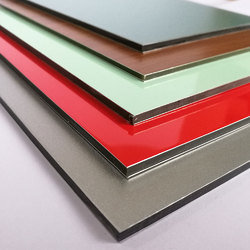
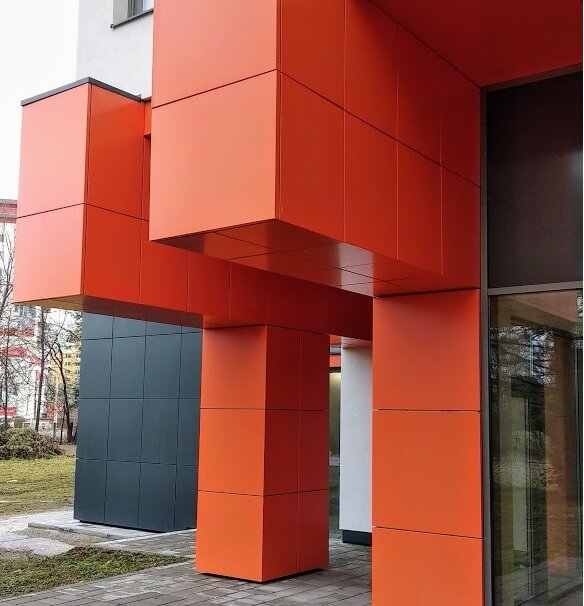
Alucobond is an aluminum composite panel (ACP) made of two aluminum sheets bonded to a non-aluminum core, used for modern exterior and interior cladding in buildings.
It is valued in Kenyan construction for its durability, sleek finish, and resistance to weather conditions.
Alucobond is widely used in commercial buildings, façades, signage, and architectural finishes because it provides a lightweight yet rigid surface with a premium appearance.
Explore product options:
alucobond-sheets-in-kenya
Why Proper Alucobond Installation Matters
Proper Alucobond installation ensures structural safety, prevents panel deformation, and maintains long-term aesthetic quality of building façades.
Incorrect installation can lead to water leakage, panel detachment, and costly repairs.
In Kenya’s construction environment, installation quality is critical due to:
- Heavy rainfall in coastal and highland regions
- Strong UV exposure in hot areas
- Wind pressure on high-rise buildings
Common Alucobond Installation Errors in Kenya
The most common Alucobond installation errors in Kenya include poor subframe alignment, incorrect fastening methods, lack of expansion gaps, and using non-compatible adhesives.
These mistakes compromise durability and structural safety.
1. Poor Subframe Installation
A weak or uneven subframe leads to:
- Panel misalignment
- Visible façade distortions
- Long-term structural stress
Recommended solution:
-
Use steel framing systems such as SHS or RHS
square-hollow-section-shs - rectangular-hollow-section-rhs
2. Ignoring Thermal Expansion Gaps
Alucobond expands and contracts with temperature changes.
Failure to allow movement causes:
- Panel buckling
- Surface cracking
- Joint failure
In Kenya’s warm climate, expansion allowances are essential.
3. Incorrect Fastening Methods
Using the wrong screws or fixing techniques leads to panel detachment.
Best practice:
- Use manufacturer-approved fastening systems
- Avoid over-tightening screws
- Ensure uniform pressure distribution
4. Poor Waterproofing at Joints
Improper sealing allows water ingress, especially in:
- Coastal regions (Mombasa, Malindi)
- High rainfall areas (Western Kenya)
Result:
- Staining
- Internal wall damage
- Corrosion of substructure
5. Using Low-Quality Panels
Not all ACP sheets meet quality standards.
Risks include:
- Delamination
- Color fading
- Reduced lifespan
Always source from verified suppliers:
alucobond-sheets
Alucobond Installation Best Practices
Proper Alucobond installation requires a well-aligned subframe, correct expansion spacing, waterproof sealing, and use of certified materials.
Following these practices ensures long-term façade performance and structural safety.
Step-by-Step Installation Approach
- Structural assessment of wall surface
- Installation of steel subframe
- Panel layout marking
- Mechanical fixing with proper spacing
- Sealing joints with weatherproof materials
Recommended Supporting Materials
-
Polycarbonate for complementary design:
solid-polycarbonate-sheets
Kenyan Climate Impact on Alucobond Installation
Kenya’s diverse climate conditions significantly affect Alucobond performance, making correct installation essential for durability and structural stability.
Humidity, UV exposure, and wind loads must all be considered during installation.
Coastal Kenya
- High humidity and salt exposure
- Requires corrosion-resistant subframes
Nairobi & Central Kenya
- UV exposure and moderate rainfall
- Requires UV-stable coatings
Rift Valley & Western Kenya
- Strong winds and heavy rainfall
- Requires reinforced anchoring systems
Regulatory Compliance in Kenya
Alucobond installation in Kenya should comply with KEBS standards and approved structural design guidelines to ensure safety and quality assurance.
Non-compliance increases risk of façade failure and legal liability.
Why compliance matters:
- Structural safety assurance
- Insurance validity
- Approval by engineers and county inspectors
Cost Implications of Poor Installation
Poor Alucobond installation leads to high long-term costs due to repairs, panel replacement, and structural corrections.
Correct installation reduces maintenance expenses and extends façade lifespan.
Common hidden costs:
- Reinstallation labor
- Material wastage
- Water damage repairs
Frequently Asked Questions (FAQs)
1. What is the most common Alucobond installation mistake?
Poor subframe alignment and lack of expansion gaps are the most common errors.
2. Can Alucobond be installed without a metal frame?
No, a proper structural frame is required for support and stability.
3. Why do Alucobond panels buckle?
They buckle due to thermal expansion without proper spacing.
4. Is waterproofing necessary for Alucobond?
Yes, especially in high rainfall and coastal regions.
5. How long does Alucobond last in Kenya?
Properly installed panels can last 15–25 years.
6. Can Alucobond be used for interior walls?
Yes, it is commonly used for interior décor and partitions.
7. What affects Alucobond durability?
Installation quality, climate exposure, and material grade.
Conclusion
Avoiding installation mistakes is critical to ensuring Alucobond panels perform effectively in Kenyan construction projects.
Proper subframe design, correct fastening, and climate-aware installation significantly improve durability and safety.
When installed correctly, Alucobond provides a long-lasting, modern, and low-maintenance architectural finish.
Contact Burhani Hardware Dealers (BHD)
burhanihardwaredealers [at] yahoo.com
Call/WhatsApp: +254 731 217 462 | +254 790 545 205
Visit: BHD, Industrial Area, Funzi Road, Nairobi
Website: https://bhd.co.ke/
Delivery Guarantee:
Same-day delivery within Nairobi.
Next-day delivery countrywide to Nakuru, Kisumu, Mombasa, Eldoret, Thika, Meru, Kitengela, Malindi.
Frequently asked questions

Written & reviewed by
BHD Kenya
Burhani Hardware Dealers (BHD Kenya) is a Nairobi-based supplier of polycarbonate roofing, Alucobond/ACP cladding, Perspex, WPC wall panels and steel products, serving contractors, fabricators and homeowners across Kenya.