

Building Materials in Kenya: Ultimate Guide to Sourcing Premium Construction Materials | BHD Kenya
Quick answer
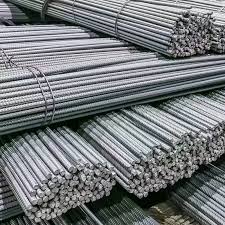
Building materials in Kenya cover structural items such as steel sections, TMT bars and cement, plus roofing and finishing products like polycarbonate sheets, ACP cladding, WPC panels and marble boards. Sourcing well means matching each material to the load, the climate and the standards required, then buying from a stockist who can confirm grade and size.
Building materials in Kenya refer to all structural, finishing, and support products used in residential, commercial, and industrial construction projects. They include steel, cement, roofing sheets, cladding systems, pipes, and architectural finishes that determine a structure’s safety, durability, and compliance with Kenyan standards.
Kenya’s construction sector is highly dynamic, influenced by urban expansion, infrastructure projects, and climate diversity. Choosing the right materials is not just about cost—it directly impacts structural lifespan, maintenance cycles, and regulatory approval under KEBS and the National Building Code 2024.
Why Quality Building Materials Matter in Kenyan Construction
High-quality building materials ensure structural safety, reduce long-term maintenance costs, and improve compliance with Kenyan construction standards. Poor-quality materials often lead to premature structural failure, corrosion, leakage, and regulatory non-compliance.
In Kenya, construction environments vary significantly. Coastal regions face salt corrosion, Nairobi experiences UV exposure and thermal fluctuation, while Rift Valley structures must withstand wind pressure. These environmental factors make material selection a technical decision—not just a budget choice.
Key Categories of Building Materials in Kenya
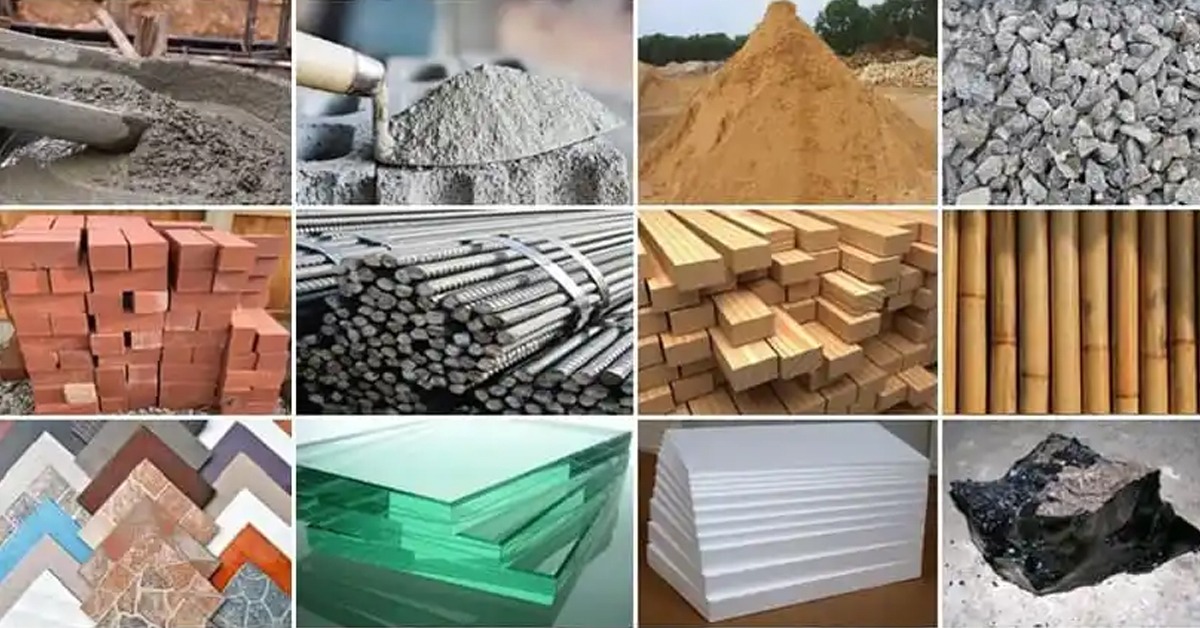
Building materials in Kenya are broadly categorized into structural steel, roofing systems, cladding materials, plumbing systems, and finishing materials. Each category serves a specific function in ensuring structural stability, weather resistance, and architectural performance.
Below is a breakdown of essential categories:
- Structural steel (SHS, RHS, CHS, HR beams)
- Roofing materials (polycarbonate sheets, PVC gutters)
- Cladding systems (Alucobond, WPC panels)
- Fabrication metals (MS flats, MS tees)
- Safety and access systems (ladders, scaffolding)
Explore full categories here:
steel-products-in-kenya
polycarbonate-sheets
alucobond-sheets
Structural Steel: The Backbone of Kenyan Construction
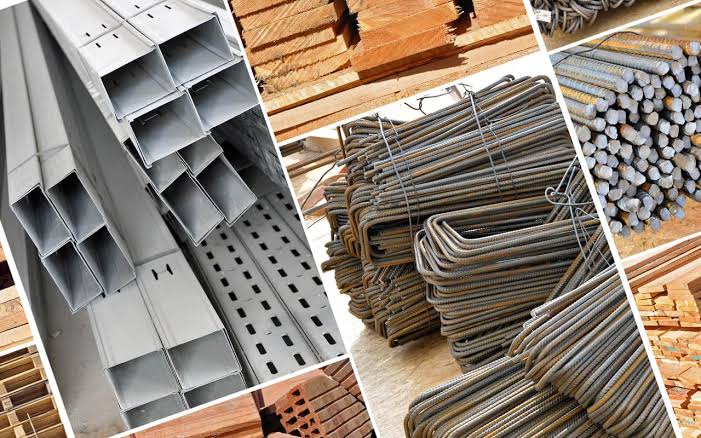
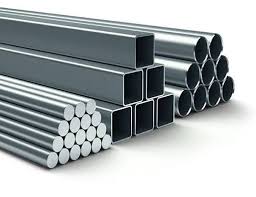
Structural steel in Kenya includes SHS, RHS, CHS, and HR beams used for load-bearing frameworks in buildings, warehouses, and industrial structures. These materials provide high tensile strength, flexibility, and compliance with engineering load standards.
Steel selection determines whether a structure can withstand vertical loads, wind pressure, and long-term fatigue. Fabricators in Nairobi’s Industrial Area heavily rely on precision-cut steel for rapid assembly and reduced onsite welding errors.
Explore structural steel options:
square-hollow-section-shs
rectangular-hollow-section-rhs
hr-beams
circular-hollow-section-chs
Roofing Systems and Weather Protection Materials
Roofing materials in Kenya such as polycarbonate sheets and PVC gutters provide weather resistance, UV protection, and efficient water drainage for residential and commercial buildings. They are essential in protecting structures from heavy rainfall, heat exposure, and long-term environmental damage.
Kenya’s diverse climate makes roofing selection critical:
- Coastal areas require corrosion-resistant materials
- Nairobi benefits from UV-stable transparent roofing
- Highlands require thermal balance systems
Explore roofing materials:
egyptian-hollow-polycarbonate-sheets
solid-polycarbonate-sheets
pvc-gutters
Cladding and Architectural Finishes
Cladding materials like Alucobond and WPC wall panels are used to enhance building aesthetics while providing weather protection and thermal insulation. They improve exterior durability and reduce maintenance costs in commercial architecture.
Modern Kenyan architecture increasingly uses composite cladding for malls, offices, and high-end residential projects due to its clean finish and long service life.
Explore cladding solutions:
alucobond-sheets-in-kenya
wpc-wall-panels
Polycarbonate Sheets: Modern Roofing Innovation
Polycarbonate sheets are lightweight, impact-resistant roofing materials used for skylights, canopies, greenhouses, and industrial roofing systems. They provide high light transmission while maintaining UV protection and structural durability.
In Kenya, they are widely used in petrol stations, shopping arcades, and agricultural installations due to their balance of strength and transparency.
Explore options:
polycarbonate-sheets
perspex-sheets
buy-polycarbonate-roofing-sheets-in-kenya-bhd-kenya
How to Evaluate Building Materials Before Purchase
Evaluating building materials involves checking compliance with KEBS standards, verifying thickness/gauge, assessing load capacity, and confirming supplier credibility. These factors ensure safety, durability, and cost efficiency in construction projects.
Key evaluation criteria:
- Material certification (KEBS KS 02-17 compliance)
- Thickness and structural grade
- Corrosion resistance (especially coastal projects)
- Supplier logistics capability
Always verify supplier transparency before procurement.
Kenyan Climate Impact on Material Selection
Kenya’s varied climate directly influences building material performance, especially in terms of corrosion, UV exposure, and structural stress resistance. Selecting materials based on regional conditions significantly increases building lifespan and safety.
- Nairobi: UV exposure + temperature shifts → UV-stable roofing needed
- Mombasa: high humidity + salt air → corrosion-resistant steel required
- Eldoret/Rift Valley: wind loads → reinforced structural frames required
This makes localized engineering decisions essential.
Regulatory Compliance: KEBS & National Building Code 2024
All construction materials in Kenya must comply with KEBS standards and the National Building Code 2024 to ensure structural safety and legal approval. Non-compliant materials increase risk of structural failure and project rejection by authorities.
Compliance ensures:
- Structural integrity verification
- Standardized load performance
- Legal approval for construction projects
- Reduced liability for contractors and developers
Logistics & Supply Chain Realities in Kenya
Reliable building material sourcing in Kenya depends on supplier logistics capability, including delivery speed, stock availability, and regional distribution efficiency. Efficient logistics reduces downtime and keeps construction timelines on schedule.
BHD supports:
- Same-day delivery within Nairobi
- Next-day delivery to major towns like Mombasa, Kisumu, Nakuru, and Eldoret
Explore supply catalog:
catalog
Specifications Table: Structural Steel (Example – SHS)
| Parameter | Specification |
|---|---|
| Size | 25x25mm |
| Thickness (Gauge) | 1.6mm – 3.0mm |
| Length | 6 meters |
| Weight | Varies by thickness |
| Pieces per Tonne | Approx. 40–80 |
| Purpose | Structural framing, fabrication, support columns |
How to Source Building Materials in Kenya (Step-by-Step)
Sourcing building materials in Kenya involves defining project requirements, selecting compliant suppliers, verifying material specifications, and coordinating logistics for timely delivery. A structured sourcing process reduces cost overruns and ensures construction efficiency.
Steps:
- Define structural and finishing requirements
- Match materials to engineering drawings
- Verify KEBS compliance
- Compare supplier pricing and availability
- Confirm delivery timelines
Common Mistakes When Buying Building Materials
The most common mistake is prioritizing low cost over structural quality, leading to premature failure and increased long-term expenses. Other mistakes include ignoring KEBS standards and selecting incorrect material grades.
Avoid:
- Unverified suppliers
- Incorrect gauge selection
- Ignoring climate suitability
- Skipping compliance checks
FAQ: Building Materials in Kenya
1. What are the most commonly used building materials in Kenya?
Most projects use steel, cement, roofing sheets, cladding materials, pipes, and finishing panels depending on structural requirements.
2. How do I choose quality building materials?
Check KEBS certification, thickness specifications, supplier reputation, and suitability for your project environment.
3. What is the importance of structural steel in construction?
Structural steel provides load-bearing strength and ensures building stability under environmental stress.
4. Are polycarbonate sheets suitable for Kenyan weather?
Yes, they are UV-resistant and durable, making them ideal for roofing and skylight applications.
5. What standards regulate building materials in Kenya?
KEBS standards and the National Building Code 2024 regulate all construction materials.
6. Why is supplier logistics important?
Fast and reliable delivery ensures construction projects remain on schedule and reduces downtime.
7. What is the difference between SHS and RHS steel?
SHS is square-shaped for uniform load distribution, while RHS is rectangular and better for directional strength.
8. Can I use Alucobond for residential buildings?
Yes, it is commonly used for modern residential and commercial cladding due to its durability and aesthetic appeal.
Conclusion
Sourcing building materials in Kenya requires a balance of technical knowledge, compliance awareness, and supplier reliability. From structural steel to roofing and cladding systems, every material plays a critical role in ensuring long-term safety and performance. Contractors and developers must prioritize certified materials and trusted suppliers to achieve sustainable construction outcomes.
Call to Action
Contact Burhani Hardware Dealers (BHD)
burhanihardwaredealers [at] yahoo.com
Call/WhatsApp: +254 731 217 462 | +254 790 545 205
Visit: BHD, Industrial Area, Funzi Road, Nairobi
Website: https://bhd.co.ke/
Delivery Guarantee:
Same-day delivery within Nairobi.
Next-day delivery countrywide to Nakuru, Kisumu, Mombasa, Eldoret, Thika, Meru, Kitengela, Malindi.
Frequently asked questions

Written & reviewed by
BHD Kenya
Burhani Hardware Dealers (BHD Kenya) is a Nairobi-based supplier of polycarbonate roofing, Alucobond/ACP cladding, Perspex, WPC wall panels and steel products, serving contractors, fabricators and homeowners across Kenya.