

How to Choose Steel Sections in Kenya (Complete Guide) | BHD
Quick answer
Choosing a steel section means matching shape, size and thickness to the load, span and exposure of the job. H and I beams carry spans and columns, channels and angles suit framing and purlins, RHS and SHS hollow sections suit trusses and light frames, and flat bars and plates handle connections. A structural engineer should confirm the final sizes.
What Does Choosing the Right Steel Section Mean?
Choosing the right steel section means selecting the correct shape, size, and thickness of steel based on load requirements, structural design, and environmental conditions. The correct choice ensures safety, cost efficiency, and long-term durability in construction projects.
In Kenya, this decision directly affects:
- Structural stability under varying loads
- Compliance with building regulations
- Project cost and construction speed
Explore available options:
steel-products-in-kenya
What Are the Main Types of Steel Sections Used in Kenya?
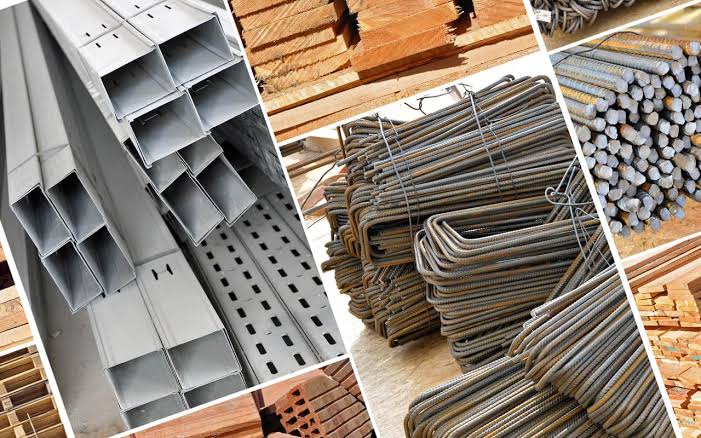
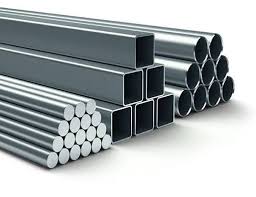
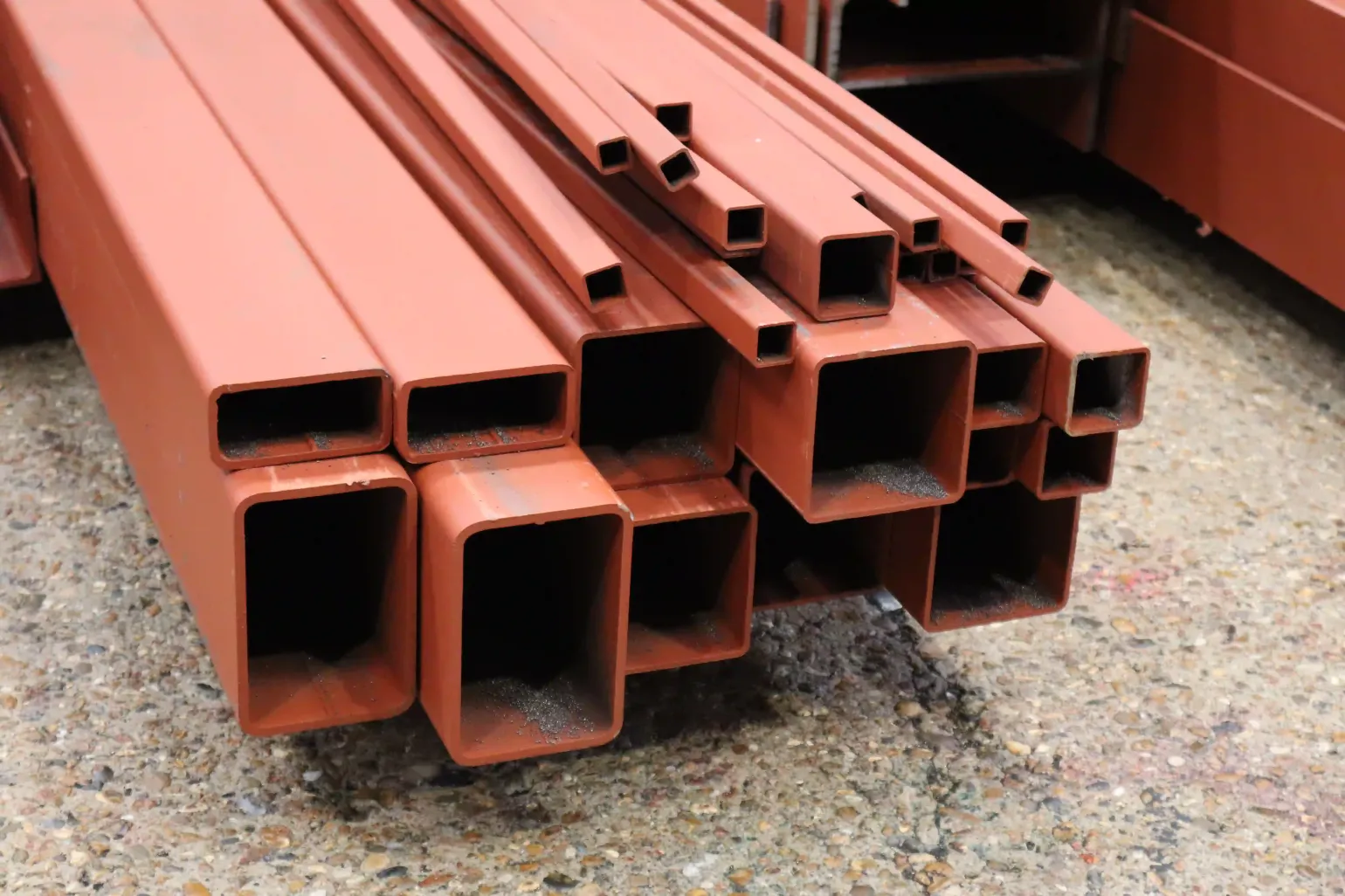
Steel sections used in Kenya include SHS, RHS, CHS, beams, and purlins, each designed for specific structural roles such as columns, beams, or roofing supports.
Common Steel Sections
-
Square Hollow Sections (SHS)
square-hollow-section-shs -
Rectangular Hollow Sections (RHS)
rectangular-hollow-section-rhs -
Circular Hollow Sections (CHS)
circular-hollow-section-chs -
H-Beams for heavy structural loads
hr-beams -
Zed Purlins for roofing systems
zed-purlins
Each of these plays a different role in load distribution and structural integrity.
How Do Load Requirements Affect Steel Selection?
Load requirements determine the size and thickness of steel needed to safely support weight without bending or failure. Heavier loads require thicker and larger steel sections with higher load-bearing capacity.
Types of Loads in Construction
- Dead loads (permanent weight of structure)
- Live loads (people, furniture, equipment)
- Environmental loads (wind, rain, seismic forces)
Practical Example (Kenya)
- A warehouse in Eldoret requires thicker RHS or H-beams due to wind loads
- Residential houses in Nairobi typically use lighter SHS sections
How Does Steel Shape Influence Performance?
Steel shape affects how forces are distributed, making certain sections better suited for specific structural roles such as columns or beams.
Shape-Based Selection Guide
| Steel Section | Best Use |
|---|---|
| SHS | Columns, frames |
| RHS | Beams, horizontal spans |
| CHS | Columns, poles |
| H-Beams | Heavy structural frameworks |
SHS offers balanced strength, RHS handles bending better, and CHS resists torsion and compression efficiently.
What Thickness (Gauge) Should You Choose?
Steel thickness (gauge) determines strength and durability; thicker steel supports higher loads and lasts longer under stress.
Typical Thickness Ranges in Kenya
- Light fabrication: 1.2mm – 1.6mm
- Medium structural use: 2mm – 3mm
- Heavy structural use: 4mm – 6mm
Key Insight
Choosing a thinner gauge to reduce cost often leads to structural weakness and higher long-term repair costs.
Steel Specifications Table (Typical Reference)
Steel sections in Kenya are supplied in standardized sizes and 6-meter lengths, with variations depending on structural needs.
| Parameter | Example Values |
|---|---|
| Size | 50x50mm, 100x50mm |
| Thickness (Gauge) | 1.2mm – 6mm |
| Length | 6 meters |
| Weight | 5kg – 40kg |
| Pieces per Tonne | 30 – 200 |
| Material | Mild Steel |
How Does the Kenyan Climate Affect Steel Choice?
Steel selection must account for environmental conditions such as humidity, temperature changes, and wind loads to ensure long-term durability.
Regional Considerations
- Coastal (Mombasa, Malindi): Use galvanized steel to prevent corrosion
- Nairobi & Central Kenya: Use coated mild steel to handle temperature variation
- Rift Valley (Nakuru, Eldoret): Use thicker sections to resist wind stress
Why Compliance with KEBS Standards Matters
Steel must meet KEBS standards and the National Building Code 2024 to ensure structural safety, durability, and regulatory approval.
Key Standards
- KEBS KS 02-17 (steel quality and dimensions)
- National Building Code 2024
Risks of Non-Compliance
- Structural failure
- Legal and approval issues
- Increased maintenance costs
How to Match Steel Sections to Specific Applications
Different construction elements require specific steel sections to ensure efficiency and safety.
Application-Based Selection
1. Building Frames
- SHS for columns
- RHS for beams
2. Roofing Systems
- Zed purlins
- Light gauge SHS
3. Heavy Structures
- H-beams for industrial buildings
4. Fabrication
-
SHS and flat bars
ms-flat-bars
Cost Considerations When Choosing Steel
Steel cost depends on size, thickness, and logistics, and choosing the wrong section can increase overall project expenses.
Cost Factors
- Material thickness
- Section size
- Transport distance
- Bulk purchase discounts
Practical Insight
Contractors in Nairobi reduce costs by:
- Ordering in bulk
- Using suppliers with same-day delivery
Browse options:
catalog
Common Mistakes to Avoid When Choosing Steel
Incorrect steel selection can lead to structural issues, delays, and increased costs.
Mistakes
- Choosing thinner steel to cut costs
- Ignoring environmental conditions
- Using the wrong section for load type
- Buying non-compliant materials
Why Contractors in Kenya Choose BHD
BHD supplies reliable steel products with consistent quality, fast delivery, and compliance with Kenyan standards.
Key Benefits
- Wide product range
- Ready stock availability
- Same-day delivery in Nairobi
- Next-day delivery countrywide
Related Construction Materials
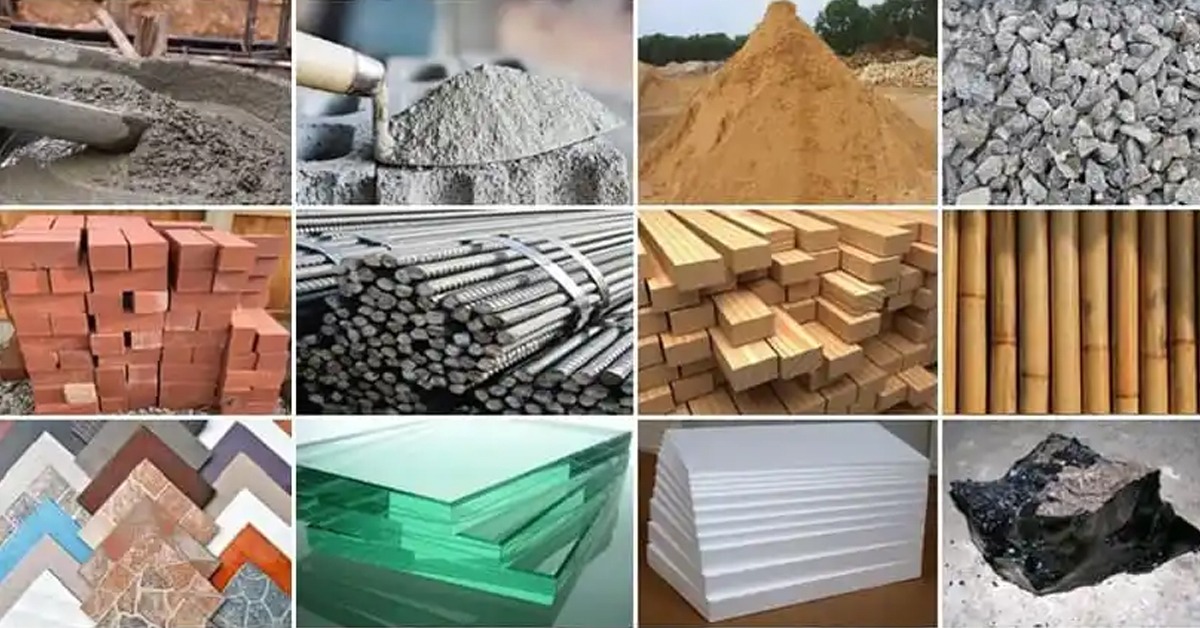
Steel sections are often used with other materials to complete construction systems.
Explore:
Frequently Asked Questions (FAQs)
1. How do I choose the right steel section?
Select based on load requirements, application, and environmental conditions.
2. Which steel section is best for building frames in Kenya?
SHS is ideal for columns, while RHS is best for beams.
3. What thickness of steel should I use?
It depends on load; light use requires 1.2–1.6mm, heavy structures require 4mm+.
4. Does climate affect steel choice?
Yes, coastal areas require galvanized steel, while inland areas need coated steel.
5. Are steel sections standardized in Kenya?
Yes, most are supplied in 6-meter lengths with standard sizes.
6. How can I reduce steel costs?
Buy in bulk and choose the correct size to avoid over-specification.
7. Can I use the same steel for all applications?
No, different sections are designed for different structural roles.
8. Where can I buy quality steel in Kenya?
You can purchase from BHD in Nairobi or through their online catalog.
Contact Burhani Hardware Dealers (BHD)
burhanihardwaredealers [at] yahoo.com
Call/WhatsApp: +254 731 217 462 | +254 790 545 205
Visit: BHD, Industrial Area, Funzi Road, Nairobi
Website: https://bhd.co.ke/
Delivery Guarantee:
Same-day delivery within Nairobi.
Next-day delivery countrywide to Nakuru, Kisumu, Mombasa, Eldoret, Thika, Meru, Kitengela, Malindi.
Frequently asked questions

Written & reviewed by
BHD Kenya
Burhani Hardware Dealers (BHD Kenya) is a Nairobi-based supplier of polycarbonate roofing, Alucobond/ACP cladding, Perspex, WPC wall panels and steel products, serving contractors, fabricators and homeowners across Kenya.