

KEBS Steel Standards in Kenya Explained | BHD
Quick answer
KEBS steel standards are Kenya Bureau of Standards rules that set the grades, dimensions and performance a steel product must meet before it is sold for construction. They cover matters such as yield strength, chemical composition and rolling tolerances, so buyers can compare sections fairly and specifiers can be confident the steel performs as designed.
What Are KEBS Steel Standards in Kenya?
KEBS steel standards are quality regulations set by the Kenya Bureau of Standards to ensure steel products meet minimum safety, strength, and durability requirements. They define acceptable material grades, dimensions, and performance criteria for construction steel in Kenya.
In construction, steel is a critical structural material, and any inconsistency in quality can lead to serious safety risks such as structural failure or reduced lifespan of buildings. KEBS standards exist to prevent these issues by ensuring that all steel products used in Kenya meet verified mechanical and chemical properties.
The most commonly referenced standard for steel in Kenya is KS 02-17, which outlines requirements for reinforcing and structural steel used in construction projects.
For contractors, understanding these standards is not optional—it directly affects compliance with building approvals, insurance coverage, and long-term structural safety.
What is KS 02-17 Steel Standard in Kenya?
KS 02-17 is a KEBS standard that specifies the quality, strength, and manufacturing requirements for steel used in construction in Kenya. It ensures that steel products meet minimum tensile strength, ductility, and chemical composition standards for safe structural use.
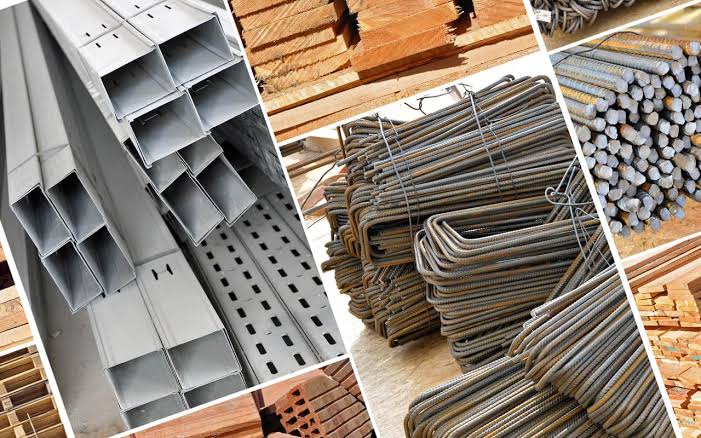
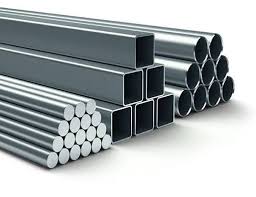
This standard is especially important for structural steel such as SHS, RHS, beams, and reinforcement bars. It defines how steel should behave under stress, including bending, compression, and load-bearing conditions.
In practical construction terms, KS 02-17 ensures that steel will not fail unexpectedly when used in buildings, bridges, or industrial structures. It also helps engineers design structures with predictable performance.
Without compliance to KS 02-17, steel may have inconsistent thickness, weak weld zones, or poor load resistance—issues that can compromise entire projects.
Why KEBS Standards Matter in Construction Projects
KEBS standards matter because they guarantee structural safety, legal compliance, and material consistency in construction projects. They protect contractors and clients from using substandard steel that could lead to structural failure.
In Kenya’s construction industry, compliance is closely tied to approval processes under the National Building Code 2024. Engineers and county inspectors often require proof that materials used meet KEBS certification.
Key Importance of KEBS Compliance
1. Structural Safety
Steel that meets KEBS standards has verified strength and ductility, reducing risk of collapse under load.
2. Legal Compliance
Non-compliant materials can lead to project rejection or forced demolition during inspection.
3. Insurance Validity
Insurance providers often require certified materials before approving construction coverage.
4. Project Durability
Standardized steel ensures long-term performance in varying environmental conditions.
How KEBS Steel Standards Are Applied on Site
KEBS steel standards are applied through material inspection, certification verification, and engineering approval before and during construction. Contractors must ensure that all steel used is traceable and compliant with approved specifications.
On a typical construction site, compliance begins at procurement. Contractors must source steel from verified suppliers who provide certification documents confirming KEBS compliance.
Engineers then verify dimensions such as thickness, grade, and length before installation. Random site inspections may also be conducted to ensure materials match approved drawings.
In large-scale projects, compliance documentation is often submitted alongside structural drawings for county approval before construction begins.
Common Steel Products Covered by KEBS Standards
KEBS standards apply to a wide range of steel products including structural sections, reinforcement bars, and fabrication materials used in construction projects. These standards ensure uniform quality across all steel types used in Kenya.
Key Steel Categories
Structural Steel
- SHS (Square Hollow Sections)
- RHS (Rectangular Hollow Sections)
-
CHS (Circular Hollow Sections)
square-hollow-section-shs - rectangular-hollow-section-rhs
- circular-hollow-section-chs
Beams and Load-Bearing Elements
-
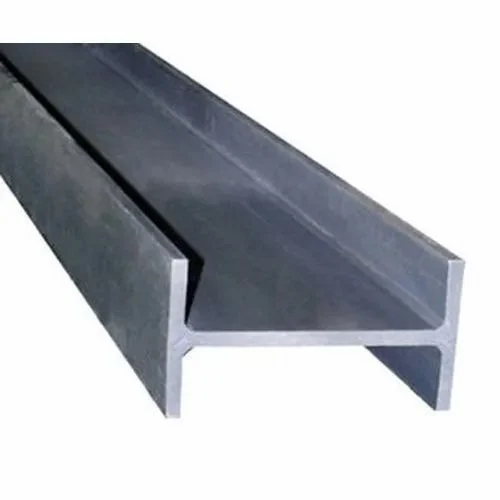
I-beams and H-beams
hr-beams
Fabrication Materials
-
Flat bars and plates
ms-flat-bars - chequered-plates-in-kenya
KEBS Steel Standards and Kenyan Building Code 2024
KEBS steel standards work alongside the National Building Code 2024 to ensure all construction materials meet minimum safety and performance requirements. Both frameworks are required for legal construction approval in Kenya.
The Building Code focuses on structural safety, design approval, and construction practices, while KEBS ensures material quality. Together, they form a complete compliance system for the construction industry.
For example, even if a structure is well-designed, using non-compliant steel can still result in rejection during inspection. This is why contractors must ensure both design and materials align with regulatory requirements.
Risks of Using Non-KEBS Certified Steel
Using non-KEBS certified steel increases the risk of structural failure, legal penalties, and financial losses due to rework or demolition. It also compromises long-term safety of buildings and infrastructure.
Major Risks Include:
- Weak structural performance under load
- Corrosion and early material degradation
- Failure during inspections or audits
- Insurance claim rejection
- Costly project delays or reconstruction
In real construction scenarios, substandard steel often shows inconsistencies in thickness and poor weld integrity, which become visible during fabrication or load testing.
How Contractors Can Ensure KEBS Compliance
Contractors can ensure KEBS compliance by sourcing steel from certified suppliers, verifying documentation, and conducting material inspections before installation. Proper procurement practices are essential for avoiding non-compliant materials.
Best Practices
- Request KEBS certification from suppliers
- Inspect steel dimensions on delivery
- Verify material grade and batch consistency
-
Work with reputable suppliers with traceable inventory
steel-products-in-kenya
Real-World Application in Kenyan Construction Sites
In Kenyan construction sites, KEBS-compliant steel is used in structural framing, roofing systems, and fabrication works to ensure safety and durability under local environmental conditions. It is especially critical in commercial and high-rise developments.
For example:
- In Nairobi, compliant SHS steel is used for building frames and gates
- In Mombasa, coated steel is used to resist corrosion from humidity
- In Rift Valley, stronger structural sections are used to handle wind loads
These practical applications show why compliance is not just regulatory but also functional in real-world environments.
FAQs on KEBS Steel Standards in Kenya
What does KEBS mean in steel?
KEBS stands for Kenya Bureau of Standards, the body responsible for regulating product quality in Kenya.
What is KS 02-17 standard?
It is the KEBS standard that defines requirements for structural steel used in construction.
Is KEBS certification mandatory for steel in Kenya?
Yes, steel used in construction must meet KEBS standards to comply with building regulations.
What happens if I use non-KEBS steel?
You risk structural failure, legal penalties, and rejection during inspection.
Does KEBS apply to SHS steel?
Yes, all structural steel including SHS, RHS, and CHS must comply with KEBS standards.
Contact Burhani Hardware Dealers (BHD)
burhanihardwaredealers [at] yahoo.com
Call/WhatsApp: +254 731 217 462 | +254 790 545 205
Visit: BHD, Industrial Area, Funzi Road, Nairobi
Website: https://bhd.co.ke/
Delivery Guarantee:
Same-day delivery within Nairobi.
Next-day delivery countrywide to Nakuru, Kisumu, Mombasa, Eldoret, Thika, Meru, Kitengela, Malindi.
Frequently asked questions

Written & reviewed by
BHD Kenya
Burhani Hardware Dealers (BHD Kenya) is a Nairobi-based supplier of polycarbonate roofing, Alucobond/ACP cladding, Perspex, WPC wall panels and steel products, serving contractors, fabricators and homeowners across Kenya.