
Polycarbonate Roof Maintenance Tips Kenya: 2026 Cleaning & Care Guide | BHD
Quick answer
Clean polycarbonate roofing with plenty of clean water, a mild soap solution and a soft cloth or sponge, rinsing before and after so grit does not scratch the surface. Never use abrasive pads, scrapers or solvent cleaners such as thinner or petrol, which craze the sheet. Check fixings, washers, gaskets and end-tape seals at the same time.
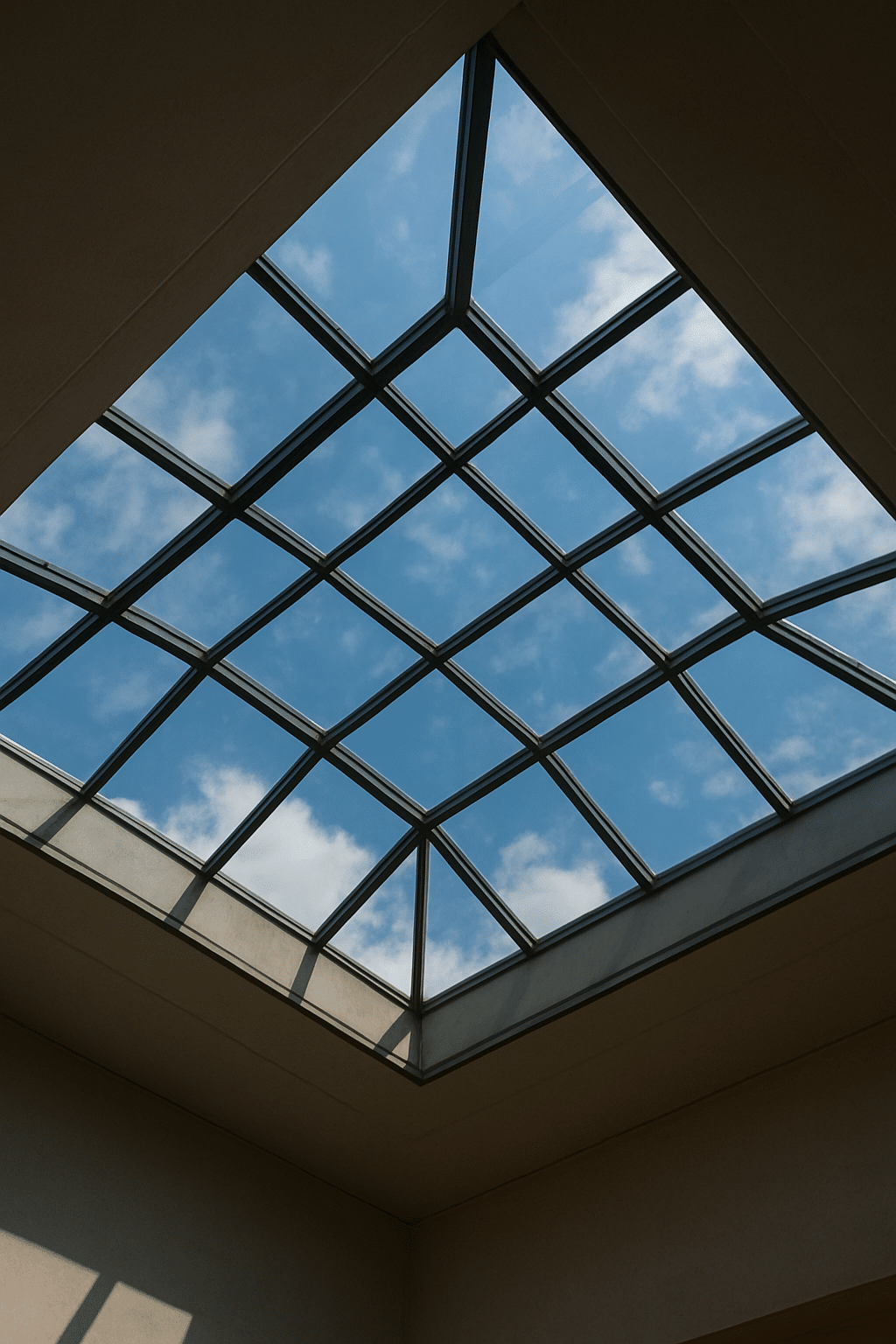
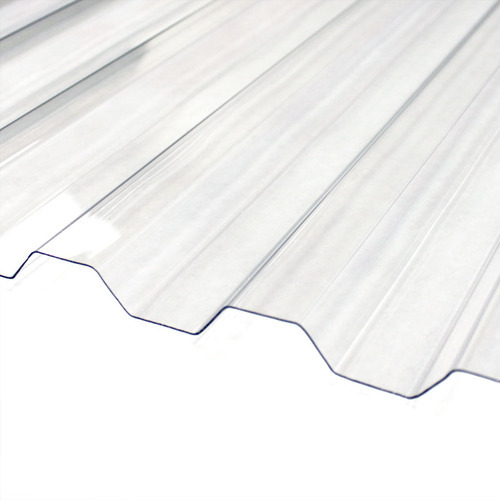
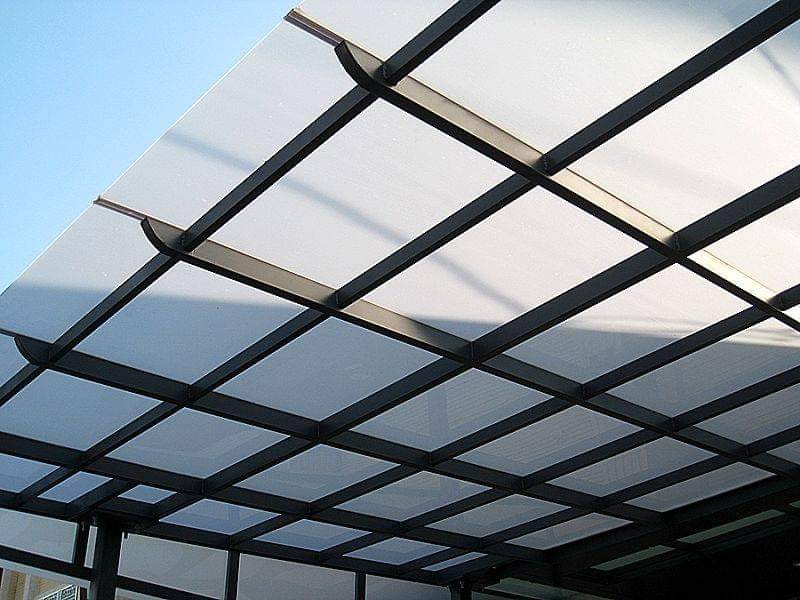
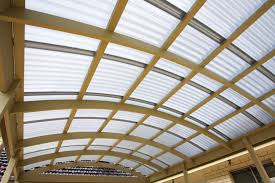
Polycarbonate roofing is widely used in Kenya for skylights, carports, walkways, greenhouses, and canopies because of its strength, transparency, and lightweight structure. However, even high-quality sheets can lose clarity, strength, and performance if not properly maintained.
In Kenya’s environment—characterized by strong UV exposure, dust accumulation, seasonal rains, and urban pollution—regular maintenance is essential to preserve optical clarity and extend roof lifespan. Poor maintenance leads to yellowing, reduced light transmission, surface scratches, and premature replacement costs.
This guide outlines practical, construction-focused maintenance strategies to keep polycarbonate roofing systems performing at their best.
Regular Cleaning to Maintain Optical Clarity
Polycarbonate roofs should be cleaned regularly to remove dust, bird droppings, and environmental debris that accumulate over time. Clean surfaces allow maximum light transmission and prevent long-term staining.
Use mild soap, lukewarm water, and a soft cloth or sponge. Avoid abrasive cleaners or rough brushes, as they can scratch the surface and reduce transparency.
In dusty urban areas like Nairobi and industrial zones, more frequent cleaning is recommended to maintain visibility and aesthetic performance.
Use of UV-Protected Cleaning Methods
Polycarbonate sheets used in Kenya are typically UV-coated, but improper cleaning methods can still degrade their protective layer over time. Harsh chemicals such as ammonia or strong solvents should be avoided completely.
UV protection ensures the sheet does not yellow or become brittle under intense equatorial sunlight. Maintaining this layer is critical for long-term durability, especially in regions like Mombasa and Garissa where UV exposure is high year-round.
polycarbonate-sheets
Inspect and Maintain Structural Supports
Polycarbonate roofing performance depends heavily on its supporting structure, typically made from steel systems such as SHS or Zed purlins. Regular inspection ensures the frame remains stable and prevents sheet deformation.
Loose fasteners, rusted supports, or misaligned frames can lead to water leakage and cracking under wind or rain pressure.
square-hollow-section-shs
zed-purlins
In Kenya’s rainy regions such as Kisii, Eldoret, and Western counties, structural checks should be more frequent due to higher moisture exposure.
Prevent Physical Damage and Load Stress
Polycarbonate sheets are impact-resistant, but they are not designed to support heavy loads. Walking on roofs or placing heavy objects can cause cracks or permanent deformation.
During maintenance or installation of nearby systems such as solar panels or signage, care must be taken to avoid direct pressure on the sheets.
Wind uplift in open areas should also be considered during installation, especially for large canopy systems in coastal or high-altitude regions.
Ensure Proper Drainage and Water Flow
Water accumulation is one of the leading causes of long-term damage to polycarbonate roofing systems. Poor drainage can lead to algae growth, staining, and reduced light transmission.
Gutters and slope alignment should be properly installed to ensure efficient water runoff during heavy rains.
pvc-gutters
In Kenya’s heavy rainfall zones, such as Limuru, Kisii, and parts of Central Kenya, drainage systems are critical for maintaining roof integrity.
Avoid Exposure to Harsh Chemicals and Heat Sources
Polycarbonate sheets should not be exposed to industrial chemicals, solvents, or high heat sources. These can weaken the surface coating and reduce structural strength over time.
Nearby construction activities involving welding, grinding, or chemical application should be shielded to prevent accidental surface damage.
This is particularly important in industrial areas such as Nairobi’s Industrial Area and Mombasa’s port zone, where mixed construction environments are common.
Seasonal Inspection for Long-Term Durability
Regular seasonal inspections help identify early signs of wear such as discoloration, loose fittings, or minor cracks. Early intervention prevents costly replacements and structural failures.
In Kenya, inspections are best carried out before and after heavy rainy seasons to ensure the roofing system remains fully functional.
Key inspection points include:
- Fastener tightness
- Frame corrosion
- Seal integrity
- Surface clarity
Conclusion: Extending the Life of Polycarbonate Roofing in Kenya
Proper maintenance significantly extends the lifespan of polycarbonate roofing systems and preserves their clarity, strength, and aesthetic value. In Kenya’s demanding climate, routine cleaning, structural inspection, and proper drainage management are essential for long-term performance.
With correct care, polycarbonate roofs can remain durable and visually clear for many years, making them a cost-effective solution for residential, commercial, and industrial applications.
Contact Burhani Hardware Dealers (BHD)
burhanihardwaredealers [at] yahoo.com
Call/WhatsApp: +254 731 217 462 | +254 790 545 205
Visit: BHD, Industrial Area, Funzi Road, Nairobi
Website: https://bhd.co.ke/
Delivery Guarantee:
Same-day delivery within Nairobi.
Next-day delivery countrywide to Nakuru, Kisumu, Mombasa, Eldoret, Thika, Meru, Kitengela, Malindi.
Frequently asked questions

Written & reviewed by
BHD Kenya
Burhani Hardware Dealers (BHD Kenya) is a Nairobi-based supplier of polycarbonate roofing, Alucobond/ACP cladding, Perspex, WPC wall panels and steel products, serving contractors, fabricators and homeowners across Kenya.