

SHS Steel in Kenya: 2026 Guide to Uses, Prices & Specs | BHD Kenya
Quick answer
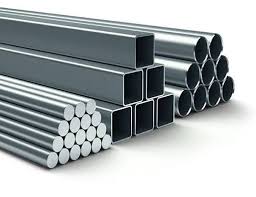
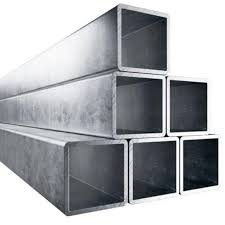
SHS, or square hollow section, is square steel tube used for columns, gates, frames, trusses, railings, carports and general fabrication. Its closed shape resists twisting and bends equally in both directions, and its flat faces make welding, bolting and clean joints easier than with open sections. It is specified by face size, wall thickness and length.
What is SHS Steel?
SHS (Square Hollow Section) steel is a hollow, square-shaped structural steel tube used for load-bearing and fabrication applications. It provides uniform strength, clean edges, and high resistance to torsion and bending. It is widely used in construction, gates, frames, and structural supports across Kenya.
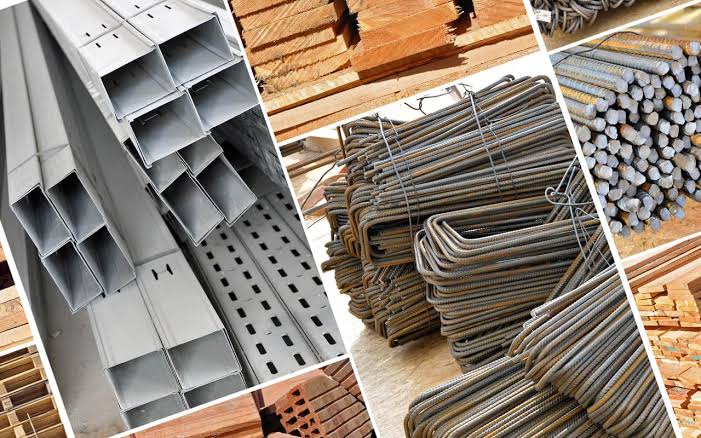
In practical construction terms, SHS steel has become one of the most dependable materials for both structural and non-structural applications. It is manufactured by forming flat steel into a square tube and welding it along a seam, creating a consistent profile that contractors can rely on for accuracy and performance.
Because of its geometry, SHS distributes stress evenly across all sides. This makes it particularly effective in applications where both vertical and lateral forces are present. Fabricators also prefer SHS because its flat surfaces simplify alignment, welding, and finishing.
You can explore available sizes and options here:
square-hollow-section-shs
What Are the Main Uses of SHS Steel in Kenya?
SHS steel is primarily used for structural framing, gates, fencing, roofing supports, and fabrication projects. Its uniform shape makes it ideal for applications requiring precision, strength, and clean finishes. It is widely used in both residential and commercial construction across Kenya.
On Kenyan construction sites, SHS steel appears in a wide range of real-world scenarios. In residential builds, it is commonly used for gate fabrication, balcony railings, and perimeter fencing. For commercial developments, it becomes part of the structural framework, supporting mezzanine floors, partitions, and light structural loads.
Roofing systems also rely heavily on SHS, especially when paired with purlins. The combination creates a stable support grid capable of handling roofing sheets under wind loads common in areas like the Rift Valley.
For fabrication workshops, SHS is the go-to material for making furniture, racks, and industrial frames. Its predictable dimensions reduce material wastage and speed up production timelines.
For roofing support systems:
zed-purlins
Why SHS Steel is Preferred in Kenyan Construction
SHS steel is preferred because it offers a balance of strength, workability, and clean finishing. It performs reliably under different environmental conditions in Kenya and allows faster fabrication compared to irregular steel profiles.
One of the main reasons contractors choose SHS is efficiency. The square profile eliminates the need for complex alignment during installation, which reduces labour time on-site. This is especially important in fast-paced urban projects in Nairobi where timelines are tight.
From a structural perspective, SHS handles compressive loads effectively, making it suitable for columns and vertical supports. At the same time, it resists bending forces better than flat bars when used in frames.
Aesthetically, SHS also stands out. Its smooth surfaces make it ideal for visible structures such as gates, pergolas, and handrails. Once painted or powder-coated, it delivers a clean, modern finish that aligns with contemporary architectural designs.
SHS Steel Specifications in Kenya (Standard Sizes)
SHS steel in Kenya is available in a range of sizes and thicknesses to suit different structural and fabrication needs. Most suppliers provide standard 6-meter lengths with varying gauges depending on the required strength and load capacity.
Understanding specifications is critical when selecting SHS steel for a project. The size determines the external dimensions, while the thickness (gauge) affects strength, weight, and cost.
SHS Steel Specifications Table
| Parameter | Example |
|---|---|
| Size | 25x25mm – 100x100mm |
| Thickness (Gauge) | 1.2mm – 4.0mm |
| Length | 6 meters |
| Weight | Approx. 1.8kg – 18kg per length |
| Pieces per Tonne | Varies by size |
| Material Grade | Mild Steel |
For full range availability:
steel-products-in-kenya
SHS Steel Prices in Kenya (2026 Guide)
SHS steel prices in Kenya depend on size, thickness, and prevailing steel market rates. Larger sections and thicker gauges cost more due to increased material usage and higher load capacity.
In the Kenyan market, pricing is influenced not just by global steel trends but also by logistics and demand. For example, during peak construction periods, demand in Nairobi and surrounding areas like Kitengela and Thika can push prices upward.
Smaller sections such as 25x25mm are typically used for light fabrication and are more affordable. Mid-range sizes like 40x40mm and 50x50mm are common for gates and frames. Larger sections such as 100x100mm are used in structural applications and naturally come at a higher cost.
Transport also plays a role. Bulk orders benefit from economies of scale, while smaller orders may incur higher per-unit transport costs, especially for deliveries outside Nairobi.
For current pricing and quotations:
contact-us
SHS Steel vs RHS vs CHS: What’s the Difference?
SHS is a square hollow section, RHS is rectangular, and CHS is circular steel tubing. Each type is designed for specific structural and design applications depending on load requirements and geometry.
In real-world construction, the choice between SHS, RHS, and CHS depends on both engineering requirements and design preferences. SHS is often chosen for symmetry and uniform strength, making it ideal for frames and columns.
RHS, on the other hand, is preferred for beams and horizontal applications where one dimension needs to carry more load. CHS is commonly used for columns, poles, and applications requiring resistance to torsion from multiple directions.
You can explore these alternatives here:
rectangular-hollow-section-rhs
Kenyan Climate Considerations for SHS Steel
SHS steel performance depends on environmental exposure, including humidity, temperature changes, and corrosion risk. Proper surface treatment and material selection are essential for long-term durability in different regions of Kenya.
In Nairobi and most parts of Central Kenya, the relatively moderate climate allows standard mild steel to perform well with basic protective coatings like red oxide primer and paint.
However, in coastal regions such as Mombasa, the high humidity and salt content in the air significantly accelerate corrosion. In these environments, galvanization or specialized anti-corrosion coatings are necessary to extend the lifespan of SHS steel.
In the Rift Valley, wind loads become a key factor. Structures must be designed using thicker SHS sections to handle lateral forces, especially for roofing systems and elevated frames.
Compliance with Kenyan Standards (KEBS & Building Code)
SHS steel used in construction must meet KEBS standards and align with the National Building Code 2024 to ensure safety, durability, and regulatory compliance.
Compliance is not just a regulatory requirement—it directly affects structural integrity. Steel that does not meet KEBS specifications may have inconsistent thickness, कमजोर weld seams, or lower tensile strength, all of which increase the risk of failure.
The National Building Code 2024 emphasizes proper material selection, especially for load-bearing structures. Engineers and contractors are expected to source certified materials and maintain documentation for inspections.
To understand why sourcing from reliable suppliers matters:
Logistics & Delivery Across Kenya
Efficient logistics are essential in construction, and reliable suppliers ensure fast delivery to keep projects on schedule. Timely material supply reduces downtime and improves overall site productivity.
In Nairobi, same-day delivery is often the difference between staying on schedule and losing valuable working hours. For projects in other regions such as Kisumu, Eldoret, or Nakuru, next-day delivery ensures continuity without long waiting periods.
This logistical efficiency is especially important for steel products like SHS, which are often required in specific quantities at specific stages of construction.
Browse all available materials here:
catalog
Related Materials Commonly Used with SHS Steel
SHS steel is typically used alongside other structural and finishing materials to complete construction systems such as roofing, framing, and glazing.
In roofing applications, SHS forms the supporting framework, while materials like polycarbonate sheets provide the covering. For heavier structural loads, SHS is often combined with beams to reinforce stability.
Fabricators also pair SHS with flat bars and plates when creating custom structures such as gates, staircases, and platforms.
Explore related products:
Polycarbonate roofing:
egyptian-hollow-polycarbonate-sheets
Structural beams:
hr-beams
Fabrication materials:
ms-flat-bars
Glazing and finishes:
perspex-sheets
FAQs About SHS Steel in Kenya
What does SHS mean in steel?
SHS stands for Square Hollow Section, a steel tube with equal width and height used in construction and fabrication.
Is SHS steel strong enough for structural use?
Yes, SHS steel is widely used for load-bearing applications due to its strength and uniform load distribution.
What size SHS is best for gates?
Common sizes include 25x25mm and 40x40mm depending on the required strength and design.
How do you prevent SHS steel from rusting?
Applying primer, paint, or galvanization protects SHS steel from corrosion.
Can SHS be used for roofing structures?
Yes, SHS is commonly used for trusses and supports in roofing systems.
How long does SHS steel last in Kenya?
With proper treatment, SHS steel can last over 20 years depending on environmental conditions.
Contact Burhani Hardware Dealers (BHD)
burhanihardwaredealers [at] yahoo.com
Call/WhatsApp: +254 731 217 462 | +254 790 545 205
Visit: BHD, Industrial Area, Funzi Road, Nairobi
Website: https://bhd.co.ke/
Delivery Guarantee:
Same-day delivery within Nairobi.
Next-day delivery countrywide to Nakuru, Kisumu, Mombasa, Eldoret, Thika, Meru, Kitengela, Malindi.
Frequently asked questions

Written & reviewed by
BHD Kenya
Burhani Hardware Dealers (BHD Kenya) is a Nairobi-based supplier of polycarbonate roofing, Alucobond/ACP cladding, Perspex, WPC wall panels and steel products, serving contractors, fabricators and homeowners across Kenya.