Solid vs Hollow Polycarbonate Sheets in Kenya: 2026 Guide to Uses, Prices and Specs | BHD Kenya
Quick answer
Hollow, or twinwall, polycarbonate has air channels between two skins, making it lighter, better insulating and cheaper per square metre, so it suits large roofs, walkways and greenhouses. Solid polycarbonate is a single dense sheet that is clearer and far stronger on impact, used for canopies, skylights, machine guards and security glazing.
Solid vs Hollow Polycarbonate Sheets: Which is Better for Kenyan Projects?
Polycarbonate sheets are now standard across Kenyan construction—from residential carports in Nairobi to coastal canopies in Mombasa and greenhouse structures in Naivasha. However, choosing between solid polycarbonate sheets and hollow (multiwall) polycarbonate sheets is a critical decision that directly affects durability, cost, insulation, and long-term performance.
At Burhani Hardware Dealers (BHD), contractors frequently ask: Which one is better for Kenyan conditions? This guide provides a clear, technical, and practical comparison tailored to Kenyan climates, building codes, and real construction use cases.
What Are Solid Polycarbonate Sheets?
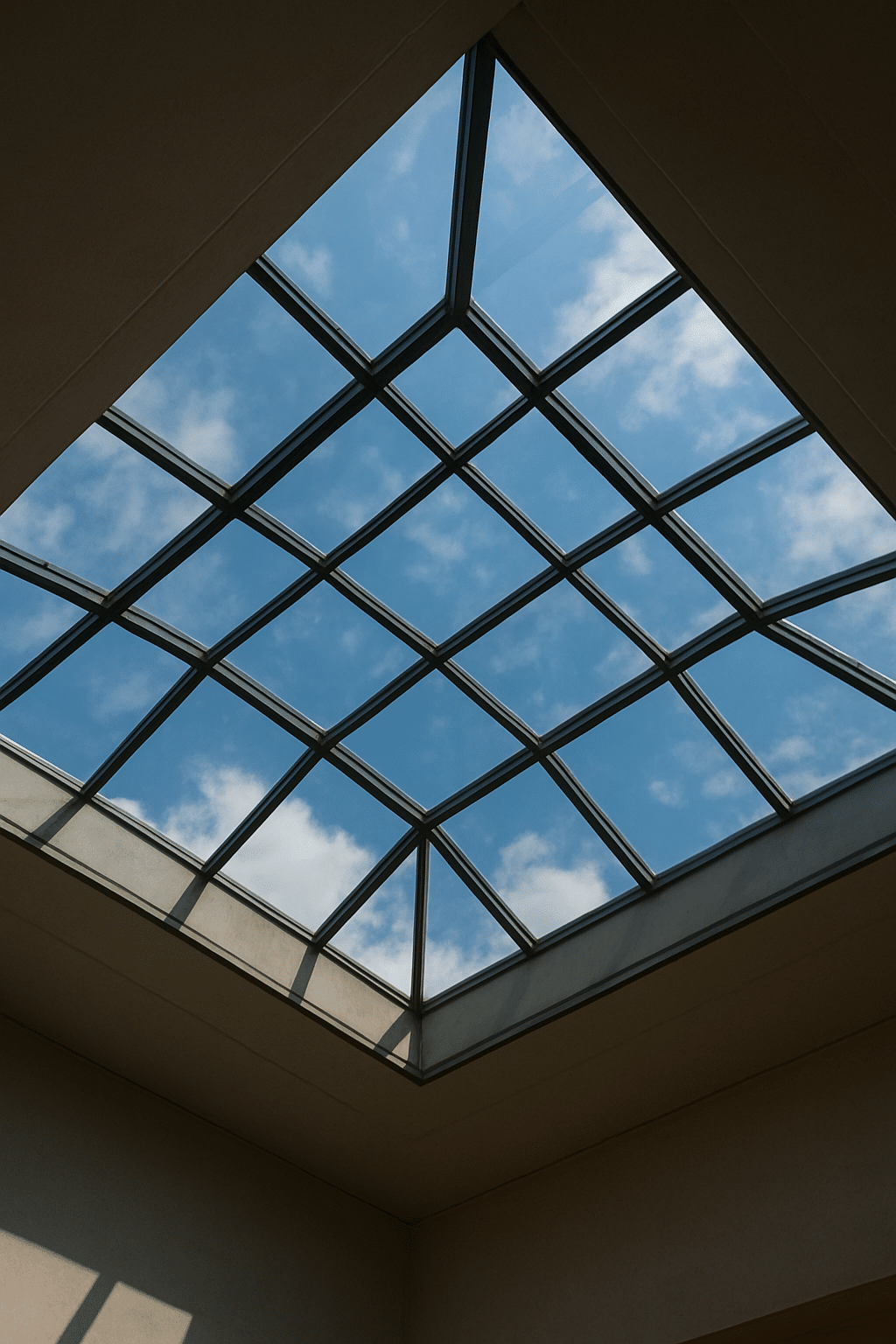
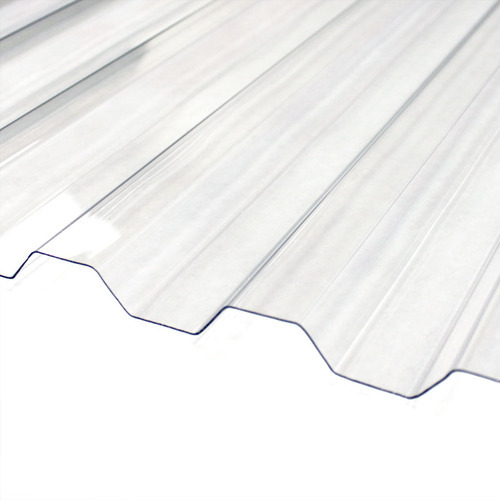
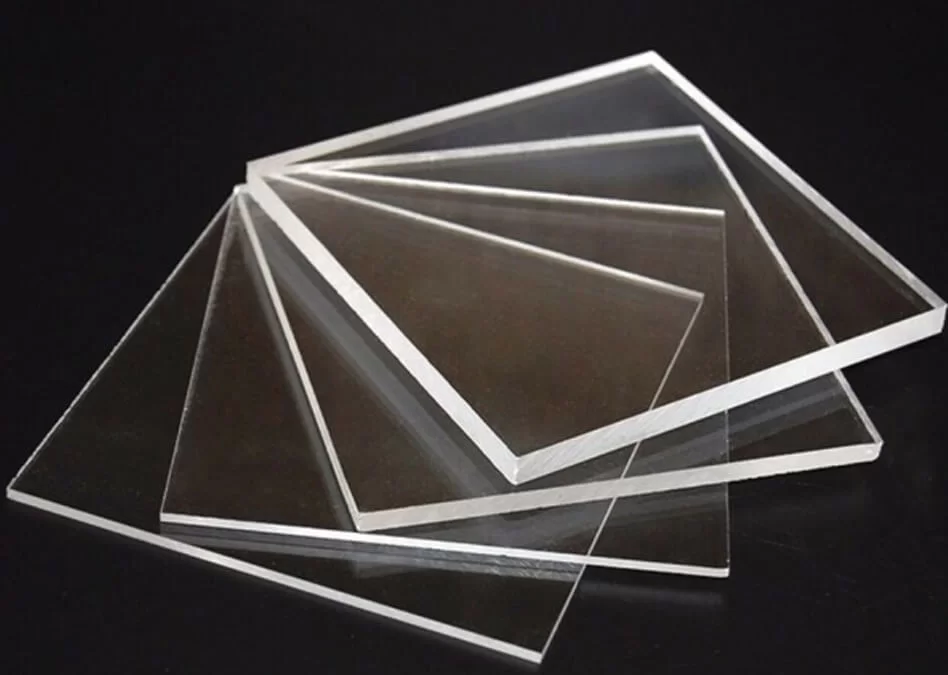
Solid polycarbonate sheets are dense, single-layer plastic sheets that offer glass-like clarity with extremely high impact resistance. They are best suited for applications requiring strength, security, and long-term durability under harsh Kenyan conditions.
Solid sheets are essentially the “unbreakable glass alternative” used where strength and transparency matter most.
Explore product specs:
solid-polycarbonate-sheets
Key Characteristics
- Single, solid structure (no internal gaps)
- High impact resistance (up to 200x stronger than glass)
- Excellent optical clarity
- UV-protected outer layer
- Heavier than hollow sheets
Common Use Cases in Kenya
- Security glazing (shops, banks, petrol stations)
- Skylights in commercial buildings
- Balcony and staircase covers
- High-end residential roofing
What Are Hollow (Multiwall) Polycarbonate Sheets?
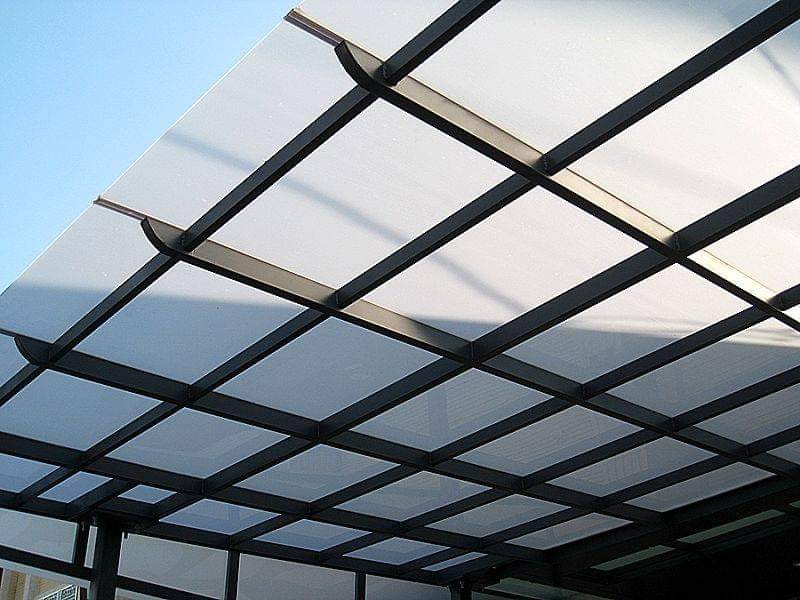
Hollow polycarbonate sheets are lightweight panels with internal air gaps that provide insulation and cost efficiency. They are ideal for roofing, greenhouses, and projects where thermal control and affordability are priorities.
Also known as multiwall or twin-wall sheets, these are widely used in Kenyan roofing projects.
Explore available options:
egyptian-hollow-polycarbonate-sheets
Key Characteristics
- Multi-layer structure with air pockets
- Lightweight and easy to install
- Good thermal insulation
- Lower cost compared to solid sheets
- Slightly reduced clarity
Common Use Cases in Kenya
- Car parking sheds
- Pergolas and outdoor roofing
- Greenhouses (Naivasha, Eldoret)
- Industrial roofing
Solid vs Hollow Polycarbonate: Key Differences
Solid polycarbonate is stronger, clearer, and more secure, while hollow polycarbonate is lighter, more affordable, and better for insulation. The choice depends on whether your project prioritizes strength or cost efficiency.
| Feature | Solid Polycarbonate | Hollow Polycarbonate |
|---|---|---|
| Structure | Single-layer | Multiwall (air gaps) |
| Strength | Extremely high | Moderate |
| Weight | Heavy | Lightweight |
| Insulation | Low | High |
| Transparency | Crystal clear | Diffused light |
| Cost | Higher | More affordable |
| Installation | Requires stronger support | Easy installation |
Which Polycarbonate Sheet Is Best for Roofing in Kenya?
Hollow polycarbonate sheets are generally better for roofing in Kenya due to their insulation, lighter weight, and lower cost. However, solid sheets are preferred for premium or high-security roofing applications.
Kenyan Climate Considerations
Nairobi & Central Kenya
- High UV exposure and temperature variation
- Hollow sheets reduce heat buildup
- Solid sheets last longer in high-end builds
Coastal Regions (Mombasa, Malindi)
- High humidity and salt exposure
- Solid sheets offer better long-term durability
- UV protection is critical
Rift Valley (Nakuru, Eldoret)
- Strong winds and structural stress
- Hollow sheets need proper fastening
- Solid sheets provide better wind resistance
Cost Comparison: Solid vs Hollow Polycarbonate in Kenya
Hollow polycarbonate sheets are significantly cheaper than solid sheets, making them ideal for large roofing projects. Solid sheets cost more but offer superior durability and lifespan.
Pricing Factors in Kenya
- Sheet thickness (e.g., 4mm, 6mm, 10mm)
- UV coating quality
- Import origin (Egyptian sheets common at BHD)
- Transport and logistics
Browse full catalog:
catalog
Technical Specifications Comparison
Solid sheets are denser and heavier, while hollow sheets achieve insulation through internal air gaps, making them lighter and more efficient for large spans.
Typical Specifications Table
| Parameter | Solid Polycarbonate | Hollow Polycarbonate |
|---|---|---|
| Thickness | 2mm – 12mm | 4mm – 10mm |
| Weight | Higher (kg/m²) | Lower (kg/m²) |
| Length | Up to 6m | Up to 6m |
| UV Protection | Yes | Yes |
| Insulation | Low | High |
| Impact Resistance | Very High | Moderate |
Installation Considerations for Kenyan Contractors
Hollow sheets are easier and faster to install, while solid sheets require stronger framing and more precise handling. Proper installation directly affects lifespan and performance.
Best Practices
-
Use proper framing (Zed purlins recommended)
zed-purlins - Ensure correct spacing for support
- Allow thermal expansion gaps
- Install UV-protected side facing outward
Structural Support Requirements
Solid sheets require stronger structural support due to their weight, while hollow sheets can span wider distances with lighter framing.
Recommended steel supports:
For heavy-duty structures:
Durability and Lifespan in Kenyan Conditions
Solid polycarbonate sheets typically last longer under extreme conditions, while hollow sheets offer excellent performance when properly installed and maintained.
Expected Lifespan
- Solid sheets: 10–20 years
- Hollow sheets: 7–15 years
Key Factors Affecting Lifespan
- UV exposure
- Installation quality
- Structural support
- Environmental conditions
When Should You Choose Solid Polycarbonate?
Choose solid polycarbonate when strength, security, and clarity are top priorities, especially in commercial or high-end residential projects.
Best for:
- Security glazing
- Premium skylights
- High-impact areas
When Should You Choose Hollow Polycarbonate?
Choose hollow polycarbonate when cost efficiency, insulation, and lightweight roofing are required for large-scale projects.
Best for:
- Carports
- Greenhouses
- Residential roofing
FAQ: Solid vs Hollow Polycarbonate in Kenya
Which is cheaper: solid or hollow polycarbonate?
Hollow polycarbonate is cheaper due to less material usage and easier installation.
Which is stronger?
Solid polycarbonate is significantly stronger and more impact-resistant.
Which is better for roofing in Kenya?
Hollow sheets are better for most roofing projects due to insulation and cost.
Do both have UV protection?
Yes, both types typically come with UV-protected coatings.
Can hollow sheets break easily?
They are durable but less impact-resistant than solid sheets.
Which lasts longer?
Solid sheets generally have a longer lifespan.
Are these materials KEBS compliant?
Yes, quality sheets supplied by BHD meet relevant standards and align with the National Building Code 2024.
Final Verdict: Which One Should You Choose?
For most Kenyan roofing projects, hollow polycarbonate offers the best balance of cost, insulation, and performance. Solid polycarbonate is the better choice for high-end, security-sensitive, or heavy-duty applications.
Why Buy Polycarbonate Sheets from BHD Kenya?
At BHD, you get:
- KEBS-compliant materials
- Reliable stock availability
- Expert guidance for contractors
- Fast logistics across Kenya
Contact Burhani Hardware Dealers (BHD)
burhanihardwaredealers [at] yahoo.com
Call/WhatsApp: +254 731 217 462 | +254 790 545 205
Visit: BHD, Industrial Area, Funzi Road, Nairobi
Website: https://bhd.co.ke/
Delivery Guarantee:
Same-day delivery within Nairobi.
Next-day delivery countrywide to Nakuru, Kisumu, Mombasa, Eldoret, Thika, Meru, Kitengela, Malindi.
Frequently asked questions
Written & reviewed by
BHD Kenya
Burhani Hardware Dealers (BHD Kenya) is a Nairobi-based supplier of polycarbonate roofing, Alucobond/ACP cladding, Perspex, WPC wall panels and steel products, serving contractors, fabricators and homeowners across Kenya.