

Steel Products Kenya: 10 Essential Construction Types
Quick answer
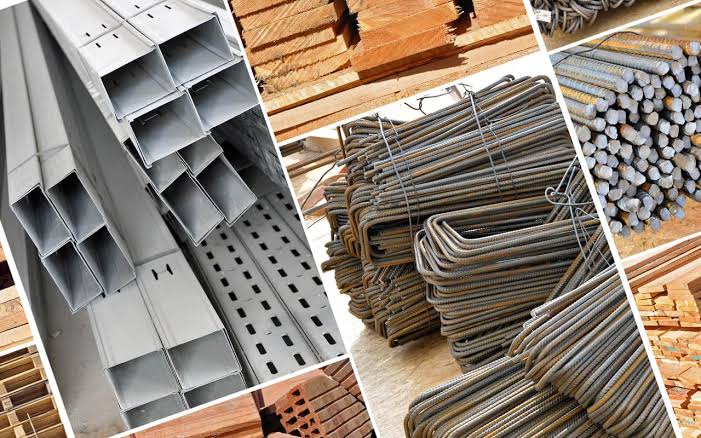
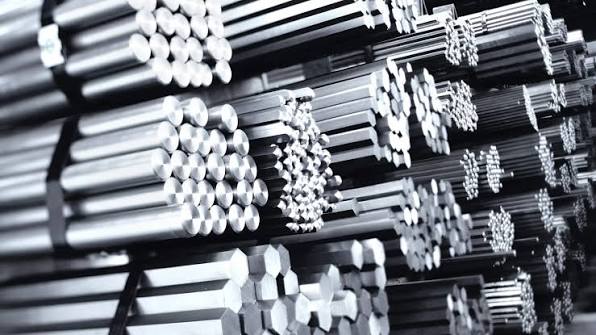
Steel products used in Kenyan construction include TMT reinforcement bars, H and I beams, channels, angles, tees, flat bars, MS plates, chequered plate, hollow sections in square, rectangular and circular form, black pipes and binding wire. Each is specified by size, wall thickness or gauge, length and grade, so an order must state the exact section required.
Common steel products used in Kenyan construction include TMT reinforcement bars, hollow sections, structural beams, steel plates, flat bars, tees and purlins. Each product serves a different structural or fabrication function, so contractors must select the correct size, thickness, grade and specification for the intended application.
Steel is one of the most widely used construction materials because it can provide high strength, predictable dimensions and fabrication flexibility.
It is used in everything from reinforced concrete buildings to roof structures, gates, mezzanine floors, warehouses, staircases, frames and industrial equipment.
For contractors and fabricators, however, "steel" is not a single product.
A square hollow section (SHS) performs differently from a rectangular hollow section (RHS). A steel beam is selected differently from a flat bar, while reinforcement steel has a completely different role in reinforced concrete.
This guide explains the main steel products Kenya contractors, developers and fabricators encounter and how to choose them.
What Are the Main Steel Products Used in Construction?
The main steel products used in construction include reinforcement bars, hollow sections, beams, plates, flat bars, angles, tees and purlins. Their applications range from reinforced concrete and structural framing to roofing, fabrication, staircases, gates and industrial structures.
Common products include:
- TMT reinforcement bars
- Square hollow sections
- Rectangular hollow sections
- Circular hollow sections
- HR beams
- Steel plates
- MS flat bars
- MS tees
- Zed purlins
- Chequered plates
BHD's steel products catalog provides access to different steel product categories.
The right product depends on:
- Load requirements
- Span
- Structural design
- Connection method
- Corrosion exposure
- Fabrication requirements
- Available dimensions
- Project specifications
What Are TMT Bars and Where Are They Used?
TMT bars are thermomechanically treated reinforcement bars used primarily to reinforce concrete structures. They help concrete resist tensile forces and are commonly incorporated into reinforced concrete foundations, columns, beams and slabs.
TMT stands for Thermo-Mechanically Treated.
Unlike structural hollow sections, reinforcement bars are designed to work together with concrete.
Typical applications include:
- Foundations
- Columns
- Beams
- Suspended slabs
- Ground beams
- Retaining structures
- Reinforced concrete walls
The reinforcement arrangement should come from the structural design.
Contractors should not select reinforcement diameter simply because a particular size is readily available.
The engineer's drawings and specifications should determine:
- Bar diameter
- Bar grade
- Spacing
- Lap lengths
- Anchorage
- Number of bars
What Are Hollow Sections?
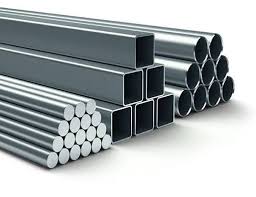
Hollow sections are steel profiles with a hollow internal area that reduces weight while providing useful structural stiffness. They are commonly used for frames, supports, gates, roof structures, machinery frames and general fabrication.
The three common hollow-section profiles are:
- SHS — Square Hollow Section
- RHS — Rectangular Hollow Section
- CHS — Circular Hollow Section
Their hollow construction can provide a useful strength-to-weight relationship.
Hollow sections also provide relatively clean external surfaces for fabrication and painting.
What Is a Square Hollow Section (SHS)?
A Square Hollow Section is a steel tube with four equal sides and a hollow centre. SHS is widely used for frames, columns, gates, handrails, roof structures and fabricated steelwork where balanced geometry is useful.
For example, square hollow sections can be used for:
- Door frames
- Window frames
- Gates
- Fencing
- Light structural frames
- Canopies
- Machinery supports
- Furniture frames
The key specifications include:
- Outside dimensions
- Wall thickness
- Length
- Steel grade
- Surface condition
For structural applications, the section should be selected according to the design load rather than appearance.
What Is a Rectangular Hollow Section (RHS)?
A Rectangular Hollow Section is a hollow steel profile with unequal side dimensions, making it useful where directional strength or a specific frame geometry is required. RHS is commonly used for beams, columns, frames and fabricated structures.
RHS can be advantageous where one dimension needs to be greater than the other.
Common applications include:
- Structural frames
- Roof structures
- Door and window frames
- Machinery frames
- Canopies
- Fabricated supports
BHD supplies rectangular hollow sections for suitable construction and fabrication applications.
The orientation of an RHS section can also affect its structural behaviour, which is why engineering calculations matter.
What Is a Circular Hollow Section (CHS)?
A Circular Hollow Section is a steel tube with a circular cross-section, commonly used for columns, handrails, supports, frames and structures where a round profile is desirable. CHS can also provide an attractive architectural appearance in exposed steelwork.
Typical applications include:
- Handrails
- Guardrails
- Columns
- Canopies
- Structural frames
- Supports
- Fencing
- Architectural steelwork
BHD provides circular hollow sections for suitable applications.
The circular geometry can also be useful where connections or appearance require a round profile.
What Are Steel Beams Used For?
Steel beams are structural members designed to carry loads across spans and transfer those loads to supports. They are commonly used in buildings, warehouses, mezzanine structures, industrial facilities and other applications requiring structural framing.
HR beams are commonly associated with structural applications.
They can be used for:
- Main structural frames
- Roof support
- Mezzanine floors
- Industrial structures
- Bridges and platforms
- Building extensions
BHD supplies HR beams for construction and structural applications.
Why Beam Selection Matters
Beam selection depends on:
- Span
- Applied load
- Deflection limits
- Support conditions
- Connection details
- Steel grade
A beam that looks physically large enough may still be unsuitable if its structural capacity or deflection performance is inadequate.
What Are Steel Plates Used For?
Steel plates are flat steel products used for structural fabrication, base plates, brackets, machinery components, tanks, platforms and other applications requiring a relatively large flat steel surface.
Steel plate can be fabricated through:
- Cutting
- Drilling
- Welding
- Bending
- Machining
Common applications include:
- Base plates
- Structural connections
- Equipment supports
- Platforms
- Fabricated machinery
- Industrial structures
Thickness is a critical specification.
A plate intended for a structural base plate should not be selected using the same criteria as a thin decorative or fabrication panel.
What Are Chequered Plates Used For?
Chequered plates are steel plates manufactured with a raised surface pattern that can provide improved foot traction. They are commonly used for walkways, platforms, steps, ramps and industrial flooring applications.
The raised pattern provides a textured walking surface.
Common uses include:
- Stair treads
- Industrial platforms
- Walkways
- Ramps
- Vehicle-access areas
- Machinery platforms
BHD supplies chequered plates in Kenya for appropriate construction and fabrication uses.
When selecting a chequered plate, consider:
- Base thickness
- Overall thickness
- Sheet dimensions
- Load requirements
- Support spacing
- Corrosion protection
What Are Mild Steel Flat Bars Used For?
Mild steel flat bars are rectangular steel strips used extensively in fabrication, reinforcement details, brackets, frames and general metalwork. Their simple geometry makes them easy to cut, drill and weld.
Applications include:
- Brackets
- Frames
- Gates
- Supports
- Base components
- Fabrication details
- Machinery components
BHD supplies MS flat bars for suitable fabrication applications.
Flat bars are specified by:
- Width
- Thickness
- Length
- Steel grade
A wider flat bar does not automatically mean it is suitable for a particular structural application.
What Are MS Tees Used For?
MS tees are steel sections with a T-shaped cross-section used in fabrication, framing, supports and structural or architectural applications. Their geometry allows material to be positioned where it can provide useful resistance to bending and connection forces.
Common applications include:
- Frames
- Supports
- Structural details
- Fabrication
- Architectural steelwork
- Brackets
BHD supplies MS tees for appropriate applications.
Like other structural sections, the correct size depends on the intended load and connection.
What Are Zed Purlins Used For?
Zed purlins are cold-formed steel members commonly used as secondary roof-support members beneath roofing sheets. They transfer roof loads to the primary structural frame while providing a relatively lightweight roofing support system.
Zed purlins are common in:
- Warehouses
- Industrial buildings
- Commercial buildings
- Agricultural structures
- Workshops
- Large-span roofing systems
BHD supplies Zed purlins for suitable roofing applications.
Their selection depends on:
- Span
- Purlin spacing
- Roof load
- Wind load
- Roofing material
- Connection details
How Do You Choose the Right Steel Product?
Choose a steel product based on its intended structural or fabrication function, required dimensions, loading conditions, steel grade and connection method. Structural steel should be selected from engineering drawings and calculations rather than from visual size or price alone.
A practical selection process is:
Step 1: Identify the Application
Determine whether the steel is for:
- Reinforced concrete
- Roofing
- Structural framing
- Fabrication
- Flooring
- Fencing
- Architectural work
Step 2: Determine the Load
For structural work, identify:
- Dead loads
- Live loads
- Wind loads
- Equipment loads
- Other applicable loads
Step 3: Select the Profile
For example:
Column/frame: SHS, RHS or CHS
Long-span structural member: Beam
Roof secondary support: Zed purlin
Reinforced concrete: TMT bar
Fabrication: Flat bar, tee or plate
Step 4: Confirm Dimensions
Check:
- Width
- Depth
- Thickness
- Diameter
- Length
Step 5: Confirm Grade and Standard
The steel should meet the relevant project specification and applicable standards.
Steel Products Specifications Table
Steel specifications should identify the profile, dimensions, thickness or diameter, standard length, grade and intended application. This information allows contractors to compare products accurately and avoid purchasing a section that is unsuitable for the designed load.
| Steel Product | Key Specification | Typical Form | Common Application |
|---|---|---|---|
| TMT bar | Diameter/grade | Round bar | Reinforced concrete |
| SHS | Width × depth × thickness | Square tube | Frames/columns |
| RHS | Width × depth × thickness | Rectangular tube | Frames/beams |
| CHS | Outside diameter × thickness | Round tube | Columns/rails |
| HR beam | Section size/weight | I/H profile | Structural framing |
| Flat bar | Width × thickness | Flat strip | Fabrication |
| MS tee | Section dimensions/thickness | T-profile | Supports/fabrication |
| Steel plate | Thickness × dimensions | Flat sheet | Structural fabrication |
| Chequered plate | Base thickness/dimensions | Patterned plate | Platforms/floors |
| Zed purlin | Depth × thickness | Z-profile | Roof support |
Important Specification Note
Steel dimensions vary by manufacturer and product range.
For that reason, contractors should verify:
- Actual dimensions
- Nominal thickness
- Mass per metre
- Length
- Grade
- Standard
before ordering.
What Is the Difference Between Mild Steel and Structural Steel?
Mild steel generally refers to low-carbon steel with relatively low carbon content and good weldability, while structural steel refers to steel produced and specified for structural applications with defined mechanical properties. The terms can overlap, but the actual grade and standard are more important than the general label.
This distinction matters when purchasing construction materials.
For example, a fabricator may ask for "mild steel" for a gate, while an engineer may specify a particular structural steel grade for a building frame.
The buyer should therefore ask for the actual specification.
What Factors Affect Steel Prices in Kenya?
Steel prices in Kenya vary according to product type, dimensions, thickness, grade, weight, market conditions, transport and order quantity. A heavier steel section generally contains more material, so comparing prices per piece without considering weight can produce misleading conclusions.
Key factors include:
- Steel grade
- Product dimensions
- Thickness
- Weight
- Length
- Manufacturing process
- Market supply
- Transport
- Order quantity
- Fabrication requirements
For contractors, it is useful to compare products using consistent units such as:
- Price per kilogram
- Price per metre
- Price per standard length
rather than comparing unrelated pieces.
How Does the Kenyan Climate Affect Steel Selection?
Kenyan steelwork must be selected and protected according to the environment in which it will operate. Coastal areas require particular attention to humidity and corrosion, while exposed inland structures may require careful consideration of rain, UV exposure and wind.
Nairobi and Central Kenya
Common considerations include:
- Rain
- Dust
- UV exposure
- Temperature variation
Mombasa and Coastal Kenya
The combination of:
- Humidity
- Salt-laden air
- Rain
- High temperatures
can accelerate corrosion of unprotected steel.
Suitable protective measures may include:
- Painting
- Galvanizing
- Appropriate coatings
- Proper drainage
- Regular inspection
Rift Valley
Exposed structures may experience significant wind.
This is particularly important for:
- Roof structures
- Canopies
- Large signs
- Warehouses
Steel selection should therefore be coordinated with structural calculations.
Why Do Steel Standards and Building Regulations Matter?
Steel products used in structural construction should meet the applicable Kenyan standards and project specifications because dimensions, chemical composition and mechanical properties affect structural performance. Compliance also helps contractors verify that supplied materials are suitable for their intended use.
For projects in Kenya, contractors should consider applicable:
- KEBS standards
- National Building Code 2024
- Project specifications
- Engineer's drawings
- Manufacturer documentation
The relevant standard depends on the product.
A reinforcement bar, hollow section and roofing purlin are not necessarily governed by the same standard.
The contractor should therefore identify the applicable product standard rather than applying one generic standard to every steel item.
What Is Steel Fabrication?
Steel fabrication is the process of converting steel products into finished components through operations such as cutting, drilling, bending, welding and assembly. Fabricators commonly work with hollow sections, plates, flat bars, tees, beams and other steel profiles.
A fabrication workshop may turn:
RHS + plate + flat bar + welding
into a complete structural frame.
Typical fabrication processes include:
- Measurement
- Marking
- Cutting
- Drilling
- Bending where required
- Fit-up
- Welding
- Grinding
- Surface preparation
- Painting or coating
Accuracy at the cutting and fit-up stages affects the quality of the finished structure.
What Are Common Steel Selection Mistakes?
Common mistakes include selecting steel based only on price, using the wrong section size, failing to verify thickness, ignoring corrosion exposure and substituting products without engineering approval. These mistakes can create fabrication problems or compromise structural performance.
Buying by Appearance
Two hollow sections may look similar but have different wall thicknesses.
Ignoring Weight
A "6-metre piece" does not provide enough information for a meaningful comparison.
Mixing Structural and Fabrication Requirements
A section suitable for a gate may not be suitable for a load-bearing column.
Ignoring Corrosion
Unprotected steel can deteriorate faster in humid or corrosive environments.
Changing Specifications Without Approval
If a structural drawing specifies a particular section, substitutions should be reviewed by the responsible engineer.
How Should Steel Be Stored on Site?
Steel should be stored on stable supports above standing water and protected from unnecessary exposure to contamination, mechanical damage and uncontrolled corrosion. Proper stacking also reduces handling risks and prevents long sections from bending or becoming difficult to access.
Good storage practice includes:
- Raise steel above the ground.
- Keep sections properly supported.
- Separate different sizes.
- Prevent standing water.
- Maintain safe access.
- Identify steel grades where necessary.
- Protect coated materials from damage.
Long sections should have adequate support points to minimise unwanted deformation.
Frequently Asked Questions About Steel Products Kenya
Steel products used in Kenyan construction include reinforcement bars, hollow sections, beams, plates, flat bars, tees and purlins. The correct product depends on the structural or fabrication application, required dimensions, grade and environmental conditions.
What are the main steel products used in construction?
The main products include TMT reinforcement bars, SHS, RHS, CHS, structural beams, plates, flat bars, tees and purlins.
What are hollow sections used for?
Hollow sections are commonly used for frames, columns, gates, roof structures, supports, handrails and general steel fabrication.
What is SHS steel used for?
Square hollow sections are commonly used for frames, gates, columns, supports, canopies and fabricated structures.
What is RHS steel used for?
RHS is commonly used for structural frames, beams, columns, supports and fabrication where a rectangular profile is required.
What are TMT bars used for?
TMT bars reinforce concrete structures such as foundations, columns, beams and slabs.
What are Zed purlins used for?
Zed purlins provide secondary support for roofing sheets and transfer roof loads to the primary structural frame.
How do I choose the right steel section?
Choose the section according to the engineering design, loading, span, dimensions, steel grade, connections and environmental exposure.
Where can I buy steel products in Kenya?
You can browse BHD's steel products catalog or contact Burhani Hardware Dealers for product availability and specifications.
Final Verdict: Choosing Steel Products for Construction
There is no single "best" steel product for construction because each profile performs a different function. TMT bars reinforce concrete, hollow sections provide efficient fabricated frames, beams carry structural loads, plates provide flat fabrication surfaces and Zed purlins support roofing systems.
For contractors and fabricators, the most important rule is:
Select steel according to the application and engineering requirement, not simply by size or price.
For structural work, confirm the design requirements before ordering.
For fabrication, confirm:
- Profile
- Thickness
- Length
- Grade
- Quantity
- Surface condition
You can browse BHD's complete construction steel catalog to review available steel product categories.
For related structural products, explore HR beams, square hollow sections, rectangular hollow sections and circular hollow sections.
Contact Burhani Hardware Dealers (BHD)
Email: burhanihardwaredealers [at] yahoo.com
Call/WhatsApp: +254 731 217 462 | +254 704 606 131
Visit: BHD, Industrial Area, Funzi Road, Nairobi
Website: https://bhd.co.ke/
Delivery Guarantee:
Same-day delivery within Nairobi.
Next-day delivery countrywide to Nakuru, Kisumu, Mombasa, Eldoret, Thika, Meru, Kitengela and Malindi.
Frequently asked questions

Written & reviewed by
BHD Kenya
Burhani Hardware Dealers (BHD Kenya) is a Nairobi-based supplier of polycarbonate roofing, Alucobond/ACP cladding, Perspex, WPC wall panels and steel products, serving contractors, fabricators and homeowners across Kenya.