

16-Gauge Black Binding Wire for Concrete Reinforcement in Kenya 2026 | BHD Kenya
Quick answer
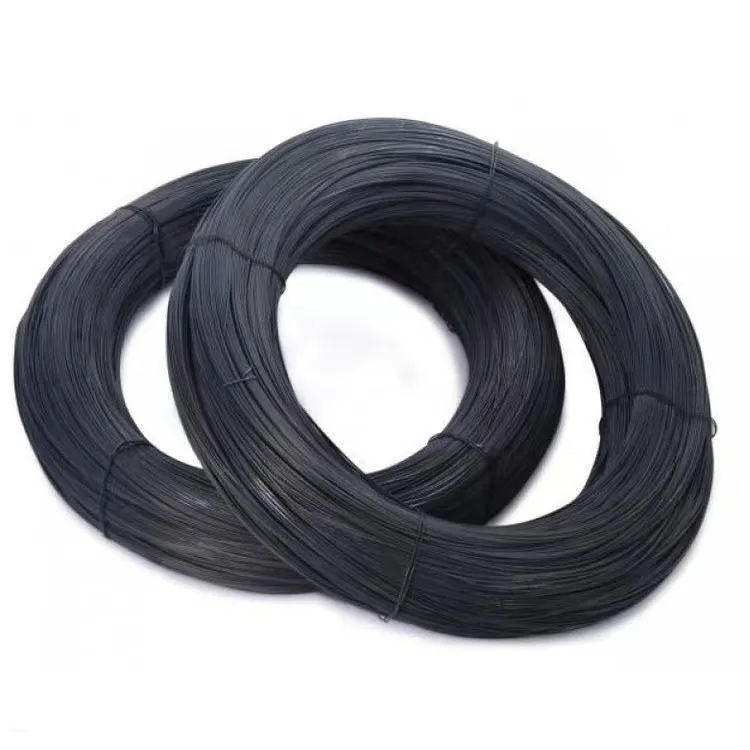
Black binding wire is soft annealed steel wire used to tie TMT rebar into position before concrete is poured. In Kenya the 16-gauge size is standard because it twists easily by hand yet holds reinforcement cages square under pouring loads. It is sold by the kilo in coils, and price moves with steel rates.
Black binding wire is a soft annealed steel wire used to tie reinforcing bars (TMT rebar) together before and during concrete pouring to maintain structural alignment and spacing. In Kenya’s construction industry, 16-gauge binding wire is the most widely used standard because it offers the right balance of strength, flexibility, and ease of twisting on site.
Without proper binding wire, reinforcement cages can shift during concreting, leading to weak structural sections, misalignment, and reduced load-bearing performance in beams, slabs, and foundations.
What Is 16-Gauge Black Binding Wire?
16-gauge black binding wire is a low-carbon steel wire that has been annealed (heat-treated) to make it soft, flexible, and easy to twist manually around reinforcement bars. It is typically supplied in coils and used by masons and steel fixers on construction sites.
It is designed specifically for tying TMT rebar intersections to maintain cage stability before concrete casting.
Why 16-Gauge Is the Standard for Rebar Tying in Kenya
16-gauge black binding wire is the preferred standard in Kenya because it provides optimal tensile strength while remaining flexible enough for fast manual tying on busy construction sites. It reduces breakage during twisting and ensures secure holding of reinforcement bars under vibration during concrete pouring.
It is widely used in residential, commercial, and infrastructure projects due to its reliability and cost efficiency.
How Black Binding Wire Works in Concrete Reinforcement
Black binding wire works by mechanically securing intersecting steel reinforcement bars so they remain in position during fabrication, transport, and concrete pouring. It does not contribute to structural strength directly but ensures correct reinforcement geometry, which is critical for structural performance.
By keeping rebar spacing consistent, it ensures that concrete fully surrounds the steel for proper load transfer.
Importance of Binding Wire in Structural Integrity
Black binding wire is essential for maintaining structural integrity because it prevents movement of reinforcement bars during vibration and pouring of concrete. Even minor displacement of rebar can significantly reduce beam or slab strength.
In Kenyan construction sites, especially multi-storey buildings in Nairobi and infrastructure projects in Rift Valley and Western Kenya, proper tying ensures compliance with structural engineering drawings and safety standards.
Kenyan Construction Context: Why Quality Binding Wire Matters
In Kenya, construction sites often operate under fast-paced conditions, making reliable binding wire critical for efficiency and safety.
In Nairobi and Mombasa projects, high-rise developments require tightly secured reinforcement cages to withstand pump pressure during concrete placement. In rural and infrastructure projects, binding wire ensures reinforcement stability during transport and manual placement.
Poor-quality wire can snap during tying, leading to delays and weak reinforcement cages.
Compliance & Structural Standards (Kenya Context)
Black binding wire use is indirectly governed by structural engineering standards under the National Building Code 2024 and reinforced concrete design practices aligned with KEBS material standards for steel products.
While binding wire itself does not carry structural load, its correct use ensures compliance with:
- Proper rebar spacing tolerances
- Structural engineer specifications
- Safety requirements for reinforced concrete construction
Specifications Table: 16-Gauge Black Binding Wire
| Parameter | Typical Specification |
|---|---|
| Gauge | 16 gauge (approx. 1.6mm) |
| Material | Low-carbon steel |
| Finish | Black annealed |
| Form | Coil / spool |
| Tensile Strength | Medium (flexible, non-brittle) |
| Application | Tying TMT rebar |
| Usage Method | Manual twisting or binding tool |
| Resistance | Temporary corrosion resistance (not coated) |
How to Use Black Binding Wire for TMT Rebar Tying
1. Cut Wire into Short Lengths
Binding wire is cut into manageable lengths depending on rebar density and joint frequency on site.
2. Wrap Around Rebar Intersection
The wire is looped around intersecting TMT bars at reinforcement joints such as beam-column intersections and slab grids.
3. Twist Securely Using Binding Hook
A binding hook or pliers is used to twist the wire tightly until the bars are firmly held in position.
4. Trim Excess Wire Ends
Excess wire ends are trimmed or folded inward to prevent exposure during concrete pouring.
Common Mistakes in Rebar Binding
Improper use of binding wire can compromise reinforcement stability and lead to structural defects.
Common mistakes include:
- Loose tying of rebar intersections
- Using brittle or low-quality wire that breaks during twisting
- Over-tightening, which damages wire integrity
- Leaving long exposed wire ends inside formwork
These issues can cause rebar displacement during concrete vibration.
Advantages of Using 16-Gauge Black Binding Wire
16-gauge black binding wire offers several practical advantages on construction sites, especially in Kenya’s fast-paced building environment.
It is flexible enough for rapid tying, strong enough to hold reinforcement securely, and cost-effective for large-scale projects. It also reduces fatigue for steel fixers due to its ease of twisting.
Internal BHD Resources for Construction Projects
- steel-products-in-kenya
- hr-beams
- ms-flat-bars
- ms-tee
- square-hollow-section-shs
- rectangular-hollow-section-rhs
- contact-us
FAQ: Black Binding Wire in Construction
Why is 16-gauge binding wire commonly used?
It offers the best balance of flexibility and strength for tying reinforcement bars efficiently on construction sites.
Does binding wire contribute to structural strength?
No, it only holds reinforcement bars in position before concrete is poured.
Can I use thicker wire instead of 16-gauge?
Thicker wire is harder to twist and slows down site work, while thinner wire may break easily.
Is black binding wire rust-proof?
No, it is not coated, but it is used inside concrete where exposure to air and moisture is limited.
How is binding wire used on site?
It is manually twisted around rebar intersections using a binding hook or pliers.
Contact Burhani Hardware Dealers (BHD)
burhanihardwaredealers [at] yahoo.com
Call/WhatsApp: +254 731 217 462 | +254 790 545 205
Visit: BHD, Industrial Area, Funzi Road, Nairobi
Website: https://bhd.co.ke/
Delivery Guarantee:
Same-day delivery within Nairobi.
Next-day delivery countrywide to Nakuru, Kisumu, Mombasa, Eldoret, Thika, Meru, Kitengela, Malindi.
Frequently asked questions

Written & reviewed by
BHD Kenya
Burhani Hardware Dealers (BHD Kenya) is a Nairobi-based supplier of polycarbonate roofing, Alucobond/ACP cladding, Perspex, WPC wall panels and steel products, serving contractors, fabricators and homeowners across Kenya.