

HR Beams vs HR Channels in Kenya: Structural Steel Guide 2026 | BHD Kenya
Quick answer
HR beams and HR channels are both hot rolled steel sections, but they do different jobs. An H or I beam carries heavy vertical loads over long spans as a main structural member. A channel, with its U shape, is used for purlins, bracing, framing, door frames and secondary supports.
Hot Rolled (HR) steel sections such as beams and channels form the backbone of commercial and industrial construction in Kenya, especially in warehouses, multi-storey buildings, and steel-framed structures. Selecting the correct profile determines load distribution, structural stability, and long-term safety of a building.
HR beams are primarily designed for heavy load-bearing applications, while HR channels are optimized for secondary support, framing, and bracing systems in structural steelwork.
What Are HR Beams?
HR beams are hot rolled steel sections shaped to carry heavy vertical and horizontal loads in structural frameworks. They are commonly used as primary load-bearing members in buildings, bridges, and industrial structures.
They work by distributing structural loads across long spans, making them essential in multi-storey construction and warehouse roofing systems where strength and rigidity are critical.
What Are HR Channels?
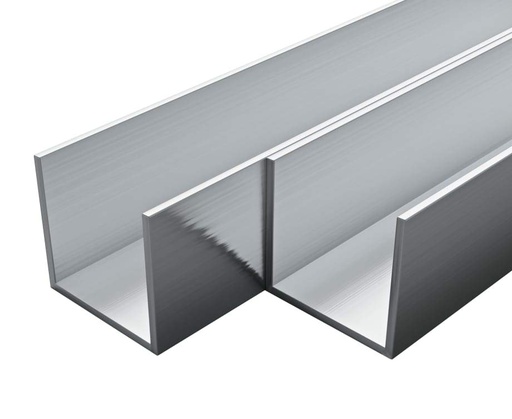
HR channels are U-shaped steel sections used mainly for secondary structural support, framing, and reinforcement applications. They are lighter than beams and are typically used where load requirements are moderate or where structural bracing is needed.
They are commonly used in purlins, wall supports, equipment frames, and structural detailing where flexibility and ease of fabrication are important.
HR Beams vs HR Channels: Key Structural Differences
HR beams and HR channels differ primarily in load capacity, geometry, and structural application. Understanding these differences is essential for safe and efficient construction design.
HR beams are designed to resist heavy bending forces and are used in primary structural frameworks. HR channels, on the other hand, are used to support or stabilize structural systems rather than carry major loads.
When to Specify HR Beams in Construction Projects
HR beams should be specified when the structure requires high load-bearing capacity and long-span support without intermediate columns. They are essential in major structural frameworks such as commercial buildings and industrial warehouses.
They are commonly used in:
- Multi-storey building frameworks
- Warehouse roof girders
- Bridge construction elements
- Heavy industrial platforms
In Kenyan commercial construction, HR beams are often selected for projects in Nairobi industrial zones and logistics warehouses where structural reliability is critical.
When to Specify HR Channels in Construction Projects
HR channels should be specified when the structure requires secondary support, bracing, or lightweight framing rather than primary load-bearing capacity. They are ideal for supporting structural systems without carrying full vertical loads.
They are commonly used in:
- Roof purlins and wall girts
- Equipment mounting frames
- Steel stair stringers
- Light industrial frameworks
In Kenya’s fabrication and construction sector, HR channels are widely used in roofing systems and light steel framing due to their cost efficiency and flexibility.
Structural Behavior in Real Construction Applications
HR beams distribute loads evenly across long spans, reducing stress concentration on columns and foundations. This makes them essential for structural safety in large-scale buildings.
HR channels provide lateral stability and support alignment of structural systems, ensuring that beams and columns remain properly positioned under load conditions.
Using both together in a structural system improves overall stability and cost efficiency.
Kenyan Construction Context: Material Selection in Practice
In Kenya, HR beams are commonly specified in high-rise developments in Nairobi, mixed-use commercial buildings in Westlands, and industrial warehouses in Athi River and Mombasa.
HR channels are widely used in roofing systems, fabrication workshops, and agricultural storage structures due to their affordability and ease of installation.
Engineers often combine both sections to optimize structural strength and cost control in medium to large-scale projects.
Compliance & Engineering Standards (Kenya Context)
HR beams and channels used in Kenya should comply with KEBS structural steel standards and be designed in accordance with the National Building Code 2024. Proper specification ensures safe load distribution, seismic resistance, and long-term structural integrity.
Structural engineers typically size these members based on load calculations, span length, and building usage classification.
Specifications Table: HR Beams vs HR Channels
| Parameter | HR Beams | HR Channels |
|---|---|---|
| Shape | I or H profile | U-shaped profile |
| Primary Use | Load-bearing structure | Secondary support / framing |
| Load Capacity | High | Medium |
| Application | Columns, girders, warehouses | Purlins, bracing, frames |
| Fabrication | Heavy structural steelwork | Light to medium fabrication |
| Span Capability | Long spans | Short to medium spans |
| Welding Ease | Moderate | High |
Fabrication and Installation Considerations
HR Beam Installation
HR beams require precise alignment and heavy lifting equipment during installation due to their weight and structural role. They are typically welded or bolted into primary structural frames.
HR Channel Installation
HR channels are easier to handle and are often installed manually in roofing systems, frames, and secondary supports. They are commonly cut and welded on-site in fabrication workshops.
Common Mistakes in Structural Steel Selection
Incorrect selection of HR beams or channels can lead to structural inefficiencies or safety risks.
Common mistakes include:
- Using channels instead of beams for primary load-bearing structures
- Oversizing beams unnecessarily, increasing project cost
- Ignoring span calculations and load distribution
- Poor welding alignment during installation
Internal BHD Resources for Structural Steel Procurement
- steel-products-in-kenya
- hr-beams
- rectangular-hollow-section-rhs
- square-hollow-section-shs
- ms-flat-bars
- ms-tee
- contact-us
FAQ: HR Beams vs HR Channels
What is the main difference between HR beams and HR channels?
HR beams are primary load-bearing members, while HR channels are used for secondary support and framing.
When should I use HR beams in construction?
Use HR beams in structures that require high load capacity such as warehouses, bridges, and multi-storey buildings.
Are HR channels strong enough for roofing?
Yes, HR channels are commonly used as purlins and roof support members in steel structures.
Can HR beams and channels be used together?
Yes, they are often combined in structural systems to balance strength and cost efficiency.
Which is more expensive, HR beams or channels?
HR beams are generally more expensive due to higher material volume and load-bearing capacity.
Contact Burhani Hardware Dealers (BHD)
burhanihardwaredealers [at] yahoo.com
Call/WhatsApp: +254 731 217 462 | +254 790 545 205
Visit: BHD, Industrial Area, Funzi Road, Nairobi
Website: https://bhd.co.ke/
Delivery Guarantee:
Same-day delivery within Nairobi.
Next-day delivery countrywide to Nakuru, Kisumu, Mombasa, Eldoret, Thika, Meru, Kitengela, Malindi.
Frequently asked questions

Written & reviewed by
BHD Kenya
Burhani Hardware Dealers (BHD Kenya) is a Nairobi-based supplier of polycarbonate roofing, Alucobond/ACP cladding, Perspex, WPC wall panels and steel products, serving contractors, fabricators and homeowners across Kenya.